Airbnb is trying to win on brand with a reduced reliance on Google while the smaller Vrbo embraced YouTube big-time, and will spend, spend, spend to advantage.
Google's advertising revenue and profits skyrocketed during the fourth quarter — although travel industry spend didn't drive the results. As with other industries, travel advertisers will likely flock to YouTube for brand promotions when demand returns.
If — or when — a backlash comes, it would upend the business models of a wide swath of travel industry companies. It would also put many businesses specializing in surveillance of consumers at risk.
Pixability’s new eBook digs into how travel brands are using video across YouTube, Facebook, and Instagram, which travel brands have seen success with video, and the video strategies that are most effective for each platform.
Everyone has been talking about video this year and mostly regarding newer platforms and products such as Snapchat, Instagram Stories, and Facebook Live, for example. But YouTube still dominates content marketing and gives brands a chance to tell stories in a more natural way rather than streaming or bite-sized video on other platforms.
As other video platforms have grown their audiences during the past year, YouTube's audience remains one of the largest and the ease of sharing a YouTube video is what draws millions of travelers and brands to click, watch and share. YouTube is still the host platform for many marketing campaigns and brands see it as a place to expand on their storytelling rather than quicker clips for other social platforms.
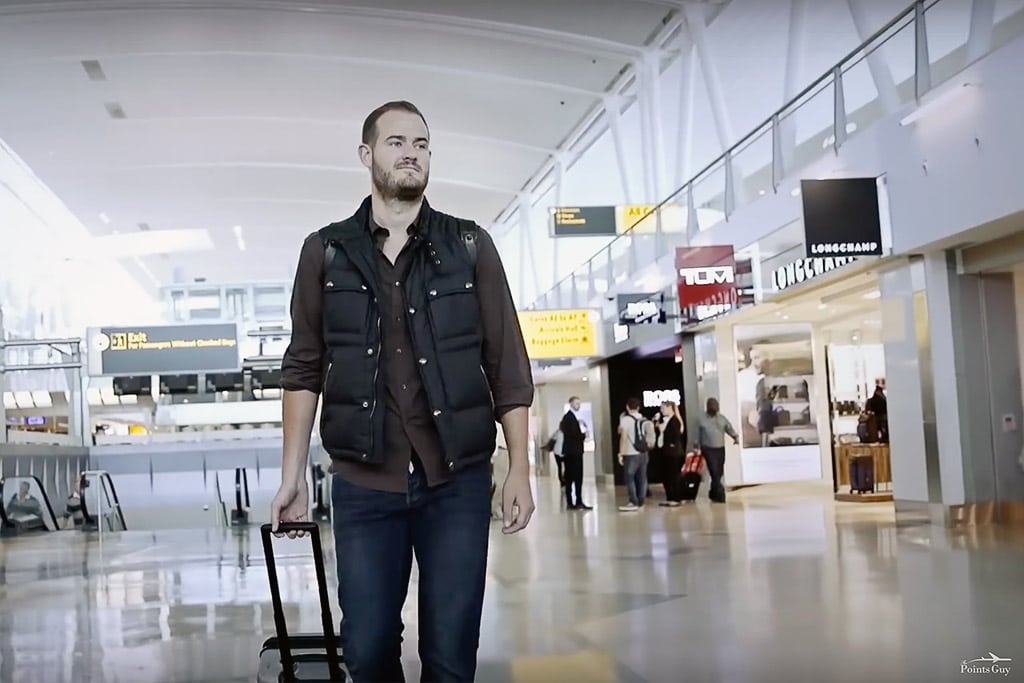
Video is a different game that written content, but Kelly's been a master of monetization so far. If viewers find him likable, too, he'll be headed in the right direction.
Some of these videos aren't particularly exciting let alone visually stunning, but they still highlight which subjects and stories travelers feel most drawn to and offer lessons for what kind of content best facilitates connection.