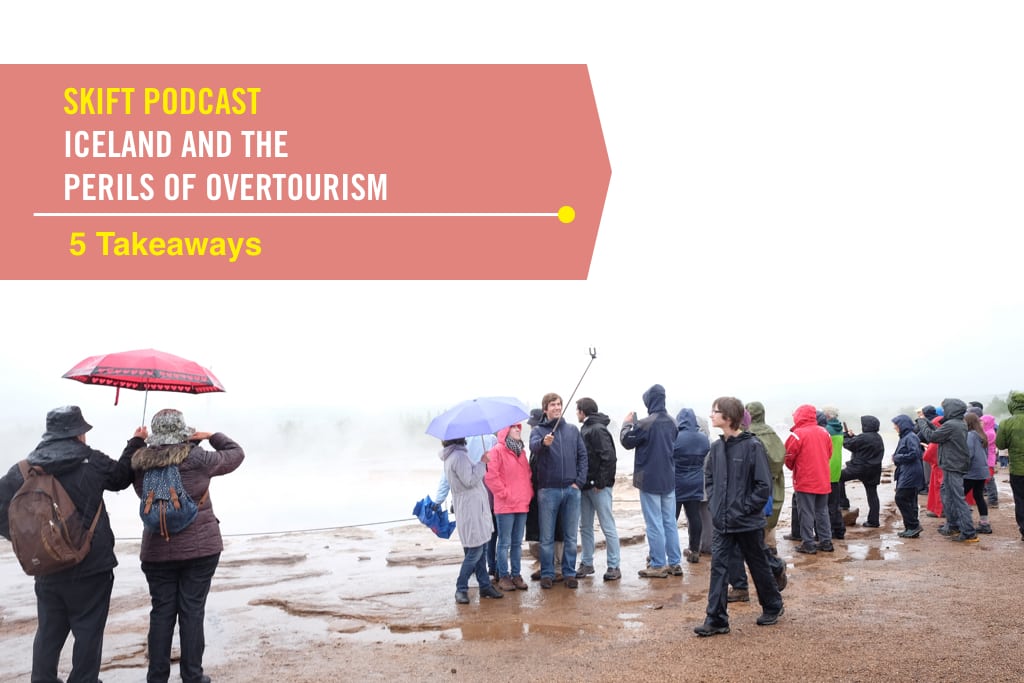
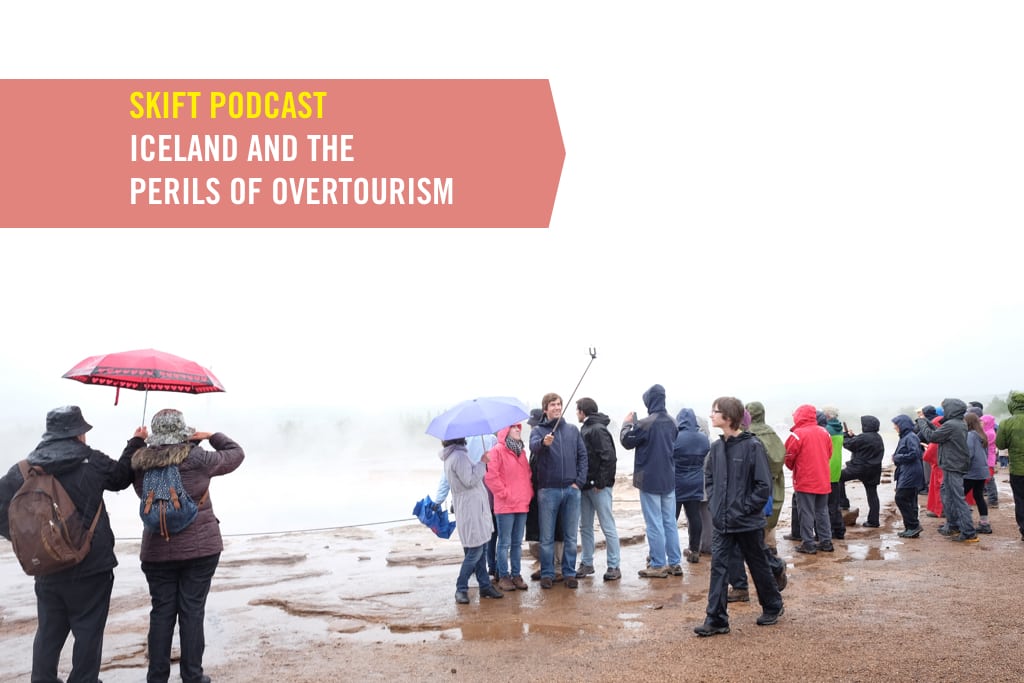
A global surge in tourism, driven by the growth of low-cost carriers and middle class families across the world who are beginning to vacation abroad, has had deep ramifications for the world’s most popular destinations. Some have tried to manage tourism by limiting the ability of tourists to stay in cities or pushing less popular areas as bona fide tourist destinations. The jury is still out on whether these destinations will be able to effectively manage tourism, or will continue to struggle in the face of mounting backlash from their citizens.
It's every destination marketing organization's goal to drive visitation to their destination. But as Iceland's ascent as a global tourism giant has shown, explosive growth can bring its own problems and drawbacks.
Our storytelling ambitions at Skift are growing bigger, and this year we've leaned into these big editorial projects in a big way. The key animating function for us is understanding the big picture around travel that you otherwise won't read in other travel or mainstream media. Expect deeper reporting from us over the coming year as well.
Tourism can be a great economic driver, but massive growth isn't always sustainable. Iceland now grapples what we call overtourism and has some serious planning to do for the future.
If Iceland wants to do a better job spreading its massive influx of visitors around the country, it's going to need to more than one domestic flight out of Keflavik.
When destinations look to tourism as an economic boost, they can sometimes get more than they bargained for. Iceland provides a perfect example of the woes that can come with large numbers of visitors.
The larger changes that are happening around the world due to the democratization of global travel over the last two decades. That's the changes Skift is exploring in this new series.