The global travel industry's framework for managing overtourism was built for rich countries. Ten years after Skift coined the term, that may be the underbelly it has revealed.
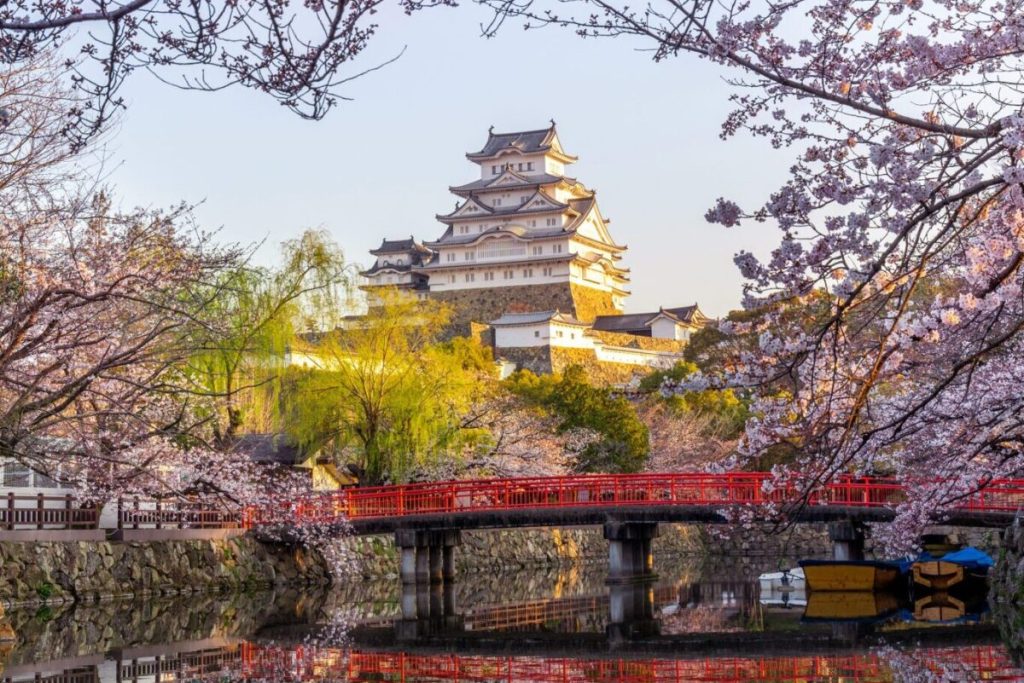
Japan is moving slowly but surely toward two-tier pricing, as the Himeji Castle model has shown that what was once a politically fraught idea can now be measured in revenue.
The revenue from Barcelona's big hotel tax increase could go a long way in helping the city confront its housing crisis — assuming travelers aren't put off by more expensive stays.
Japan doesn’t have too many tourists. It has too many tourists being sent to the same places. Until that changes, talks on solving overtourism will just remain recycled rhetoric.
Africa’s hotel boom is real thanks to growing demand for alternatives to overtourism, and TUI’s expansion signals confidence. But the long-term test will be whether TUI can convert pipeline optimism into actual openings.
Kyoto's new hotel tax may not do much, if anything, to slow down the city's tourism boom. But the additional revenue generated — especially from luxury travelers — could go a long way in improving its infrastructure.