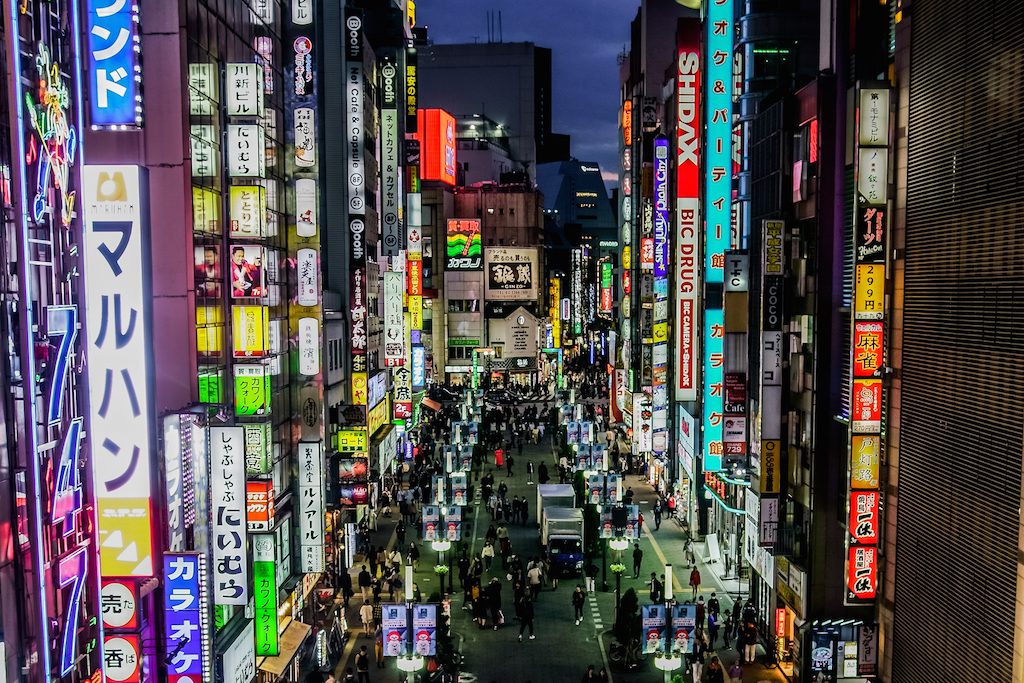
Japan is a destination that’s never, ever described as affordable. But Oyo, with its budget hotel concept, could be transformational for its tourism economy.
Americans and Europeans who used to scoff at QR-style bar codes are going to need to learn how to use them to pay for meals, attractions, and tickets whenever they visit Japan. The reason? Swelling Chinese tourism is prompting the country to adopt China’s preferred mobile payment method.
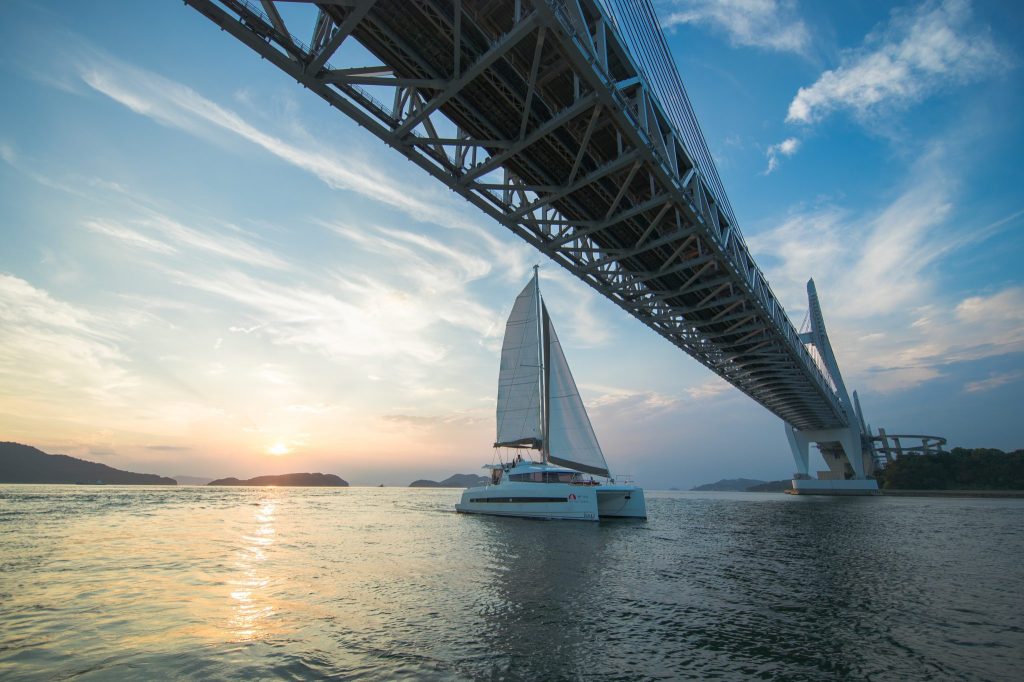
Japan’s Setouchi Region was once a relatively unknown corner of the country, left off the itineraries of most travelers. But that’s changing quickly, thanks to high profile attractions like Naoshima Island. How will Setouchi’s tourism stakeholders find the right strategy to help it sustain and grow this tourism success story?
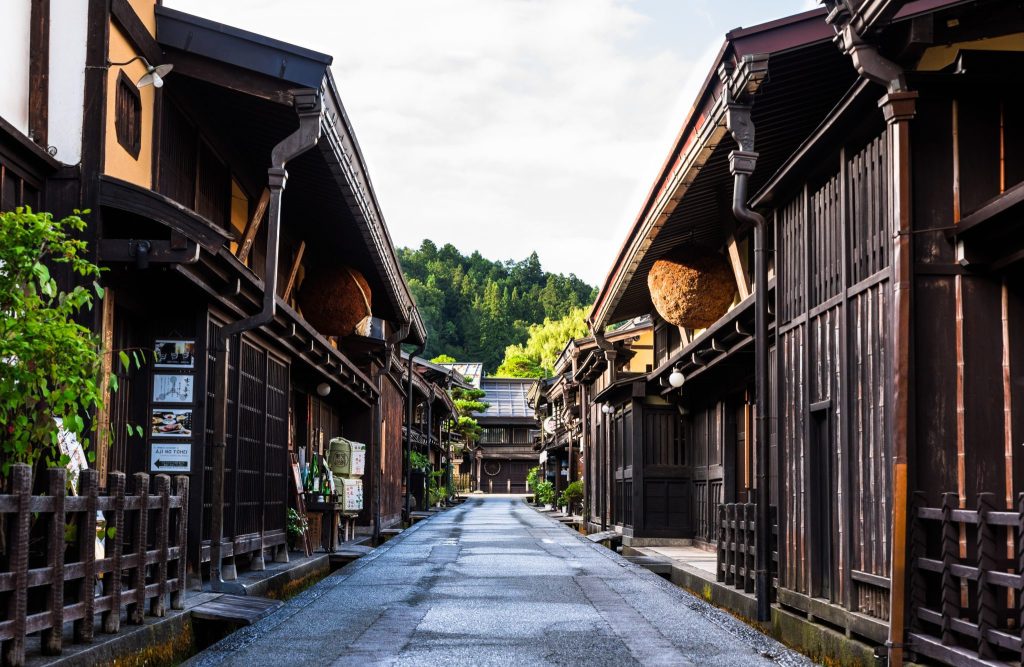
Destinations of all shapes and sizes across Japan want fresh ideas to help attract overseas visitors and transform their economies. The strategy used by the city of Takayama, which has seen a surge of new tourism in the past decade, offers one potential roadmap.
Japan has grand ambitions to bring more than 40 million visitors to the country by 2020, and 60 million by 2030. But the country isn’t just dreaming big, it’s acting big too. Thanks to a concerted country-wide push by tourism officials and local business leaders to transform the Japanese tourism economy, the country seems on track to achieve this vision.
No destination gets away uncriticized for imposing a tax on tourists. Japan is no exception, especially since the destination is loved by millions of tourists and it isn’t clear-cut why they are being taxed. But it's unlikely tourists will say sayonara to Japan, say operators.
The big vacation rental players have formed an association in Japan, with the blessing of the Japan Tourism Agency. It may be a model for other Asian countries to follow.
Japan turned out to be the lifeboat for Thomas Cook China when Thailand turned disastrous, as the tour operator appears to be sailing away blithely with four new initiatives to scale up its China market.
Ever since Naoshima, Japan, became home to a number of contemporary art museums, sculptures, and installations, the island's identity as an "art island" has become intertwined with its history and culture. Naoshima now represents a way for other destinations to think about how tourism, and art tourism specifically, can be used to revitalize communities while preserving tradition and demonstrating respect to heritage.