JTB no longer seems content being Japan's travel company. With the pieces now assembled, it intends to be Asia's, and is making a case for the world's.
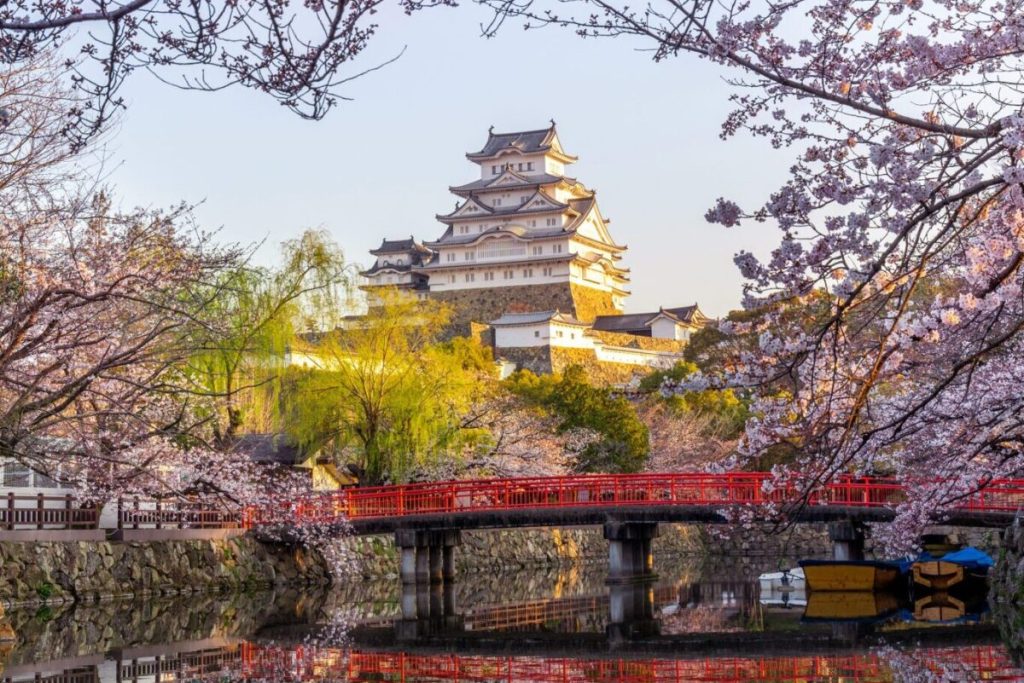
Japan is moving slowly but surely toward two-tier pricing, as the Himeji Castle model has shown that what was once a politically fraught idea can now be measured in revenue.
Geopolitics no longer hovers in the background for travel, it shows up directly in booking numbers. It could be a diplomatic freeze, or a conflict nowhere near your destination. Demand vanishes or, almost worse, reroutes overnight to a competitor destination that was ready to catch it.
With 21 million international arrivals in 2025 and room rates projected to climb, Vietnam is fast becoming Asia's most compelling hospitality frontier, and global hotel companies are moving quickly to claim their ground.
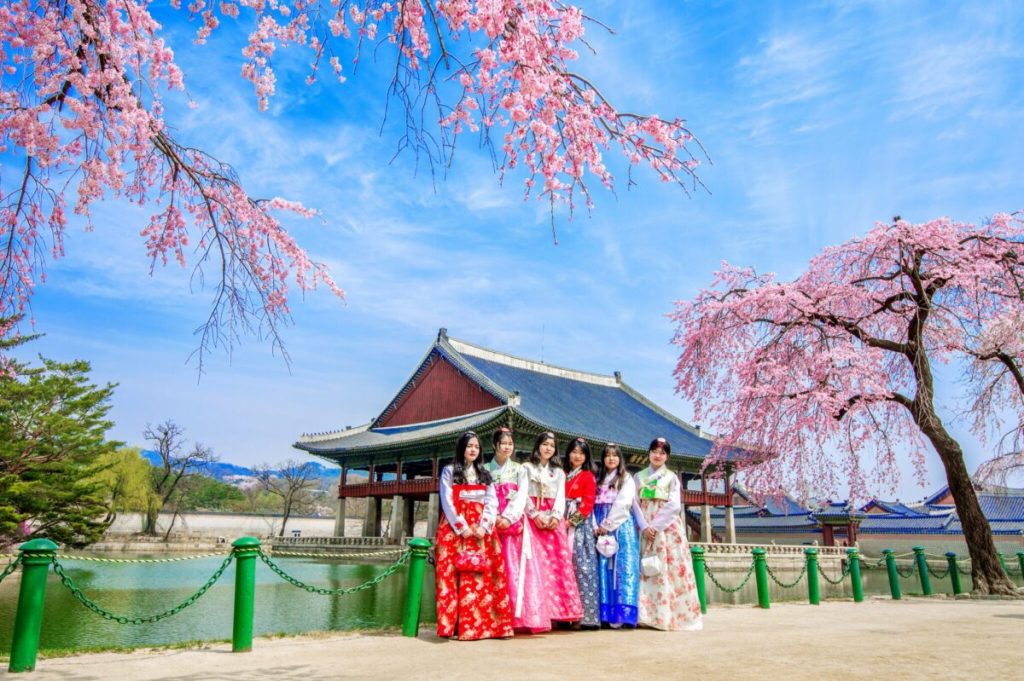
When a travel company announces a “Chief Spring Officer,” it sounds like a gimmick, but Klook’s experiment reflects how platforms are trying close the gap between inspiration and booking. If this works, similar seasonal roles could emerge around major events.
Japan doesn’t have too many tourists. It has too many tourists being sent to the same places. Until that changes, talks on solving overtourism will just remain recycled rhetoric.
The ski industry is racing to fight the impacts of climate change mainly with snowmaking. But the irony is hard to ignore: the very systems keeping many slopes open also burn energy and emit greenhouse gases.
With Japan slipping, Thailand is well positioned to benefit from China’s low-friction travel shift, but that will depend on maintaining perceptions of safety and stability, which are now decisive factors for Chinese travelers.