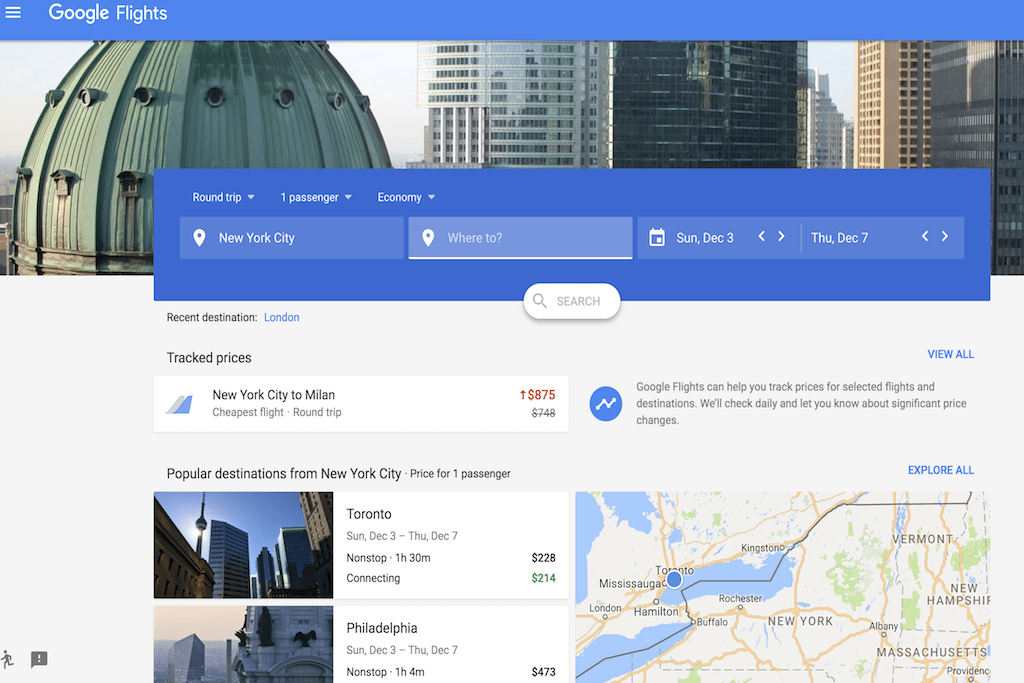
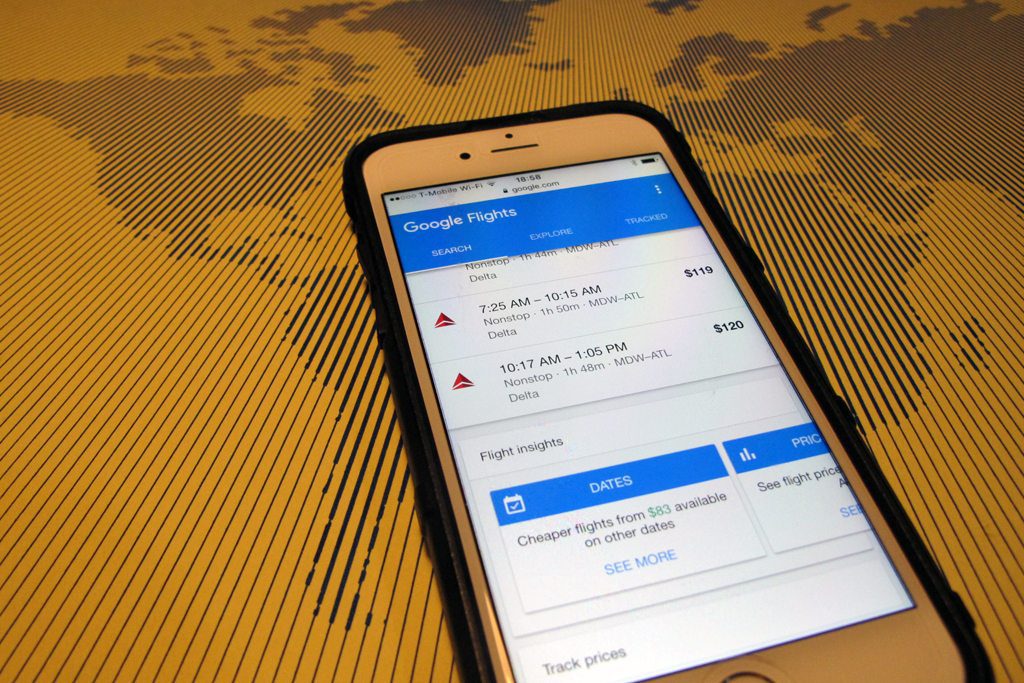
Google made its claim to fame partly on the simplicity of its user interface. Its new interface for flight search is a return to its elegant design roots.
The future you're promised is never the future you get. Google is touting artificial intelligence-powered translation capability as a transformative feature for its users, but it's really just an impractical repackaging of existing technology.
The first iteration of this technology could be glitchy, but the ability to translate your speech into 40 languages could turn out to be something of a true killer app for the travel industry.
While some may disagree, we believe that Google is not becoming an online travel agency. It certainly could do so, but its travel business is already massive and highly profitable. We estimate it will generate around $14 billion in revenue in 2017, and will grow at over 20 percent per year for the foreseeable future.
Google now prods its users to try to cut their travel costs by considering alternative airports and other tricks. Yet the incremental moves may not appease a European watchdog that may question its broader business practices in travel.
What would make Expedia obsolete and cause Khosrowshahi to leave? Expedia's apparently outgoing CEO answered that question for us last year and talked about big technology trends a few years in the offing. But is he bolting because he thinks Expedia's best days are behind it?
In tests involving about 7,000 property listings in Europe, Google is checking if travelers would like to use it to search and book vacation rentals. Online travel rivals should be on the alert.
It doesn't surprise any soul who knows the travel industry that Google Hotel Ads is the breadwinner and Google Flights takes a back seat revenue-wise, but it's nice to hear Google finally say it.
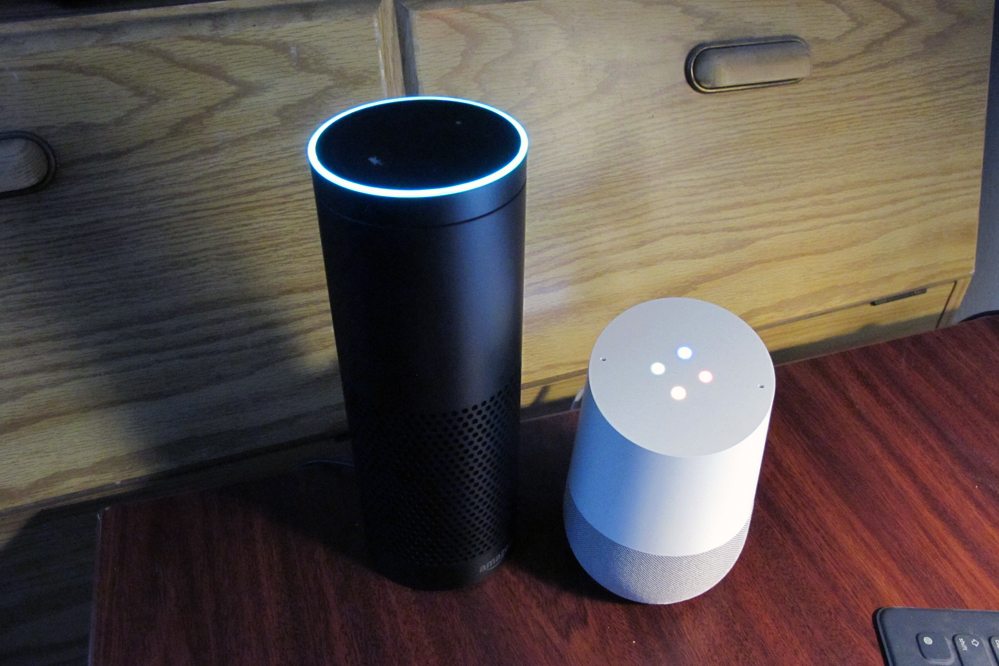
Despite the hype, neither the Amazon Echo nor the Google Home is delivering the goods yet for voice-command travel research. Google's effort has the most promise, though.