
When Luxury Tourism Leaves Locals Behind in Africa
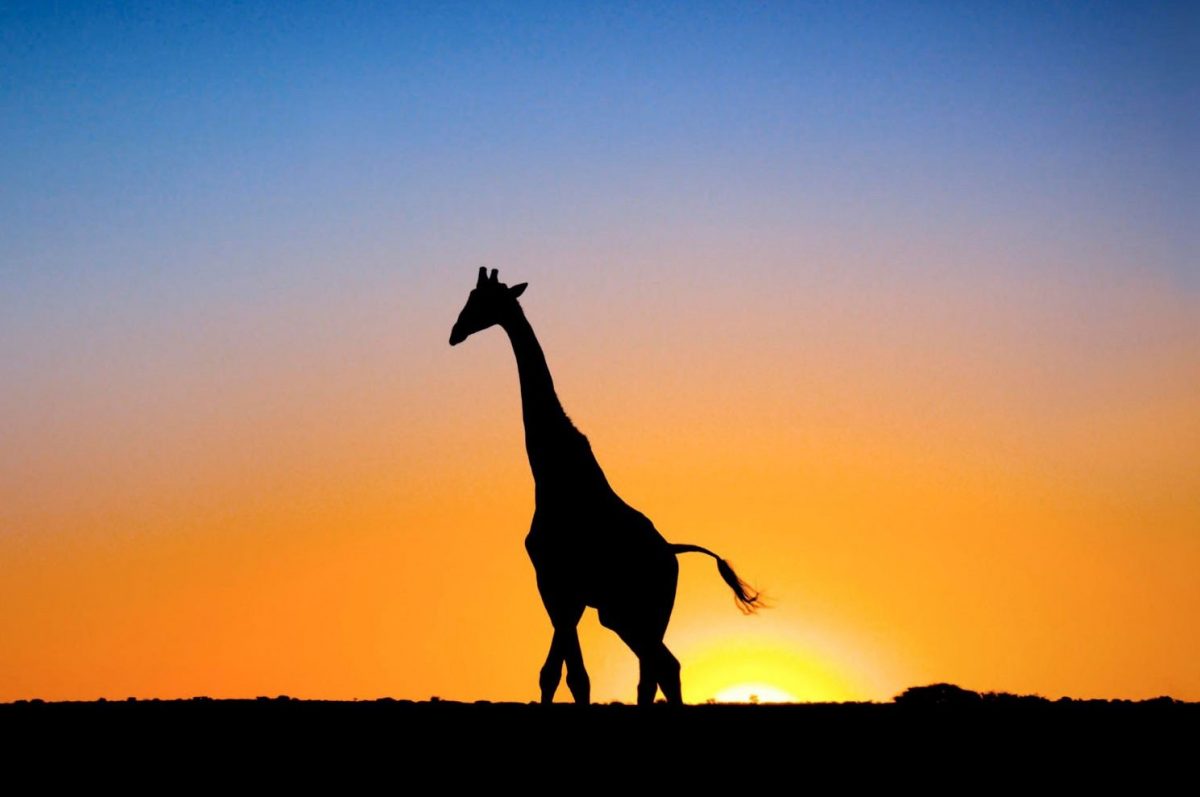
Photo Credit: Threats to the giraffe population in Africa are a threat to the business of wildlife tourism. Flickr / pike JO
Skift Take
Luxury tourism has long been sold as Africa’s ticket to economic growth: high-paying visitors, low environmental footprint, and prestige destinations that draw global attention. Yet studies suggest otherwise.

Research from the University of Manchester finds that luxury tourism in Africa often bypasses local economies, deepens inequality, and strains fragile ecosystems.
In East Africa, a lawsuit filed focusing on Kenya’s Maasai Mara National Reserve seeks to block a new Ritz-Carlton safari lodge, accusing it of threatening pastoralist lands.
Meanwhile, in Tanzania, protests over land evictions linked to hunting concessions have created deadly clashes.
And across the continent, critics argue that “high-value, low-impact” has become more marketing slogan than lived reality.
Despite the challenges, organizations like Ecotourism Kenya, the country’s leading certification body, argue that luxury tourism can become more responsible, though the reality on the ground is complex.
The Local Impact GapAccording to Angela Njehia, Chairperson of Ecotourism Kenya, many eco-rated lodges provide jobs not only as guides or chefs but al


