Luxury tourism has long been sold as Africa’s ticket to economic growth: high-paying visitors, low environmental footprint, and prestige destinations that draw global attention. Yet studies suggest otherwise.
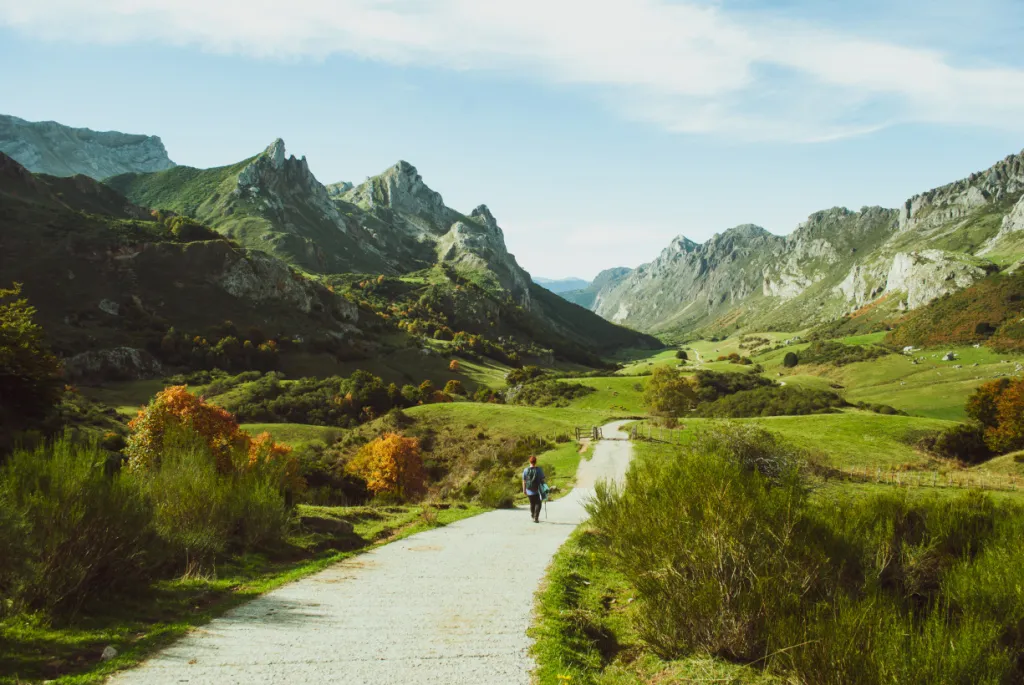
While becoming a popular destination may benefit local economies, overtourism also comes with environmental and cultural downsides. Spain’s various regions demonstrate unique ways to simultaneously inspire growth and prioritize sustainability, modeling the future of responsible tourism in one of the most visited regions in the world.
The Directorate General of Civil Aviation's decision to ease work pressure on aviation crew is a welcome step, considering the recent reports of fatigue-related safety risks.
Founded two years ago, Envi Lodges is expecting to open its first property next year and already has hopes to spread all over the globe — if it finds the money.
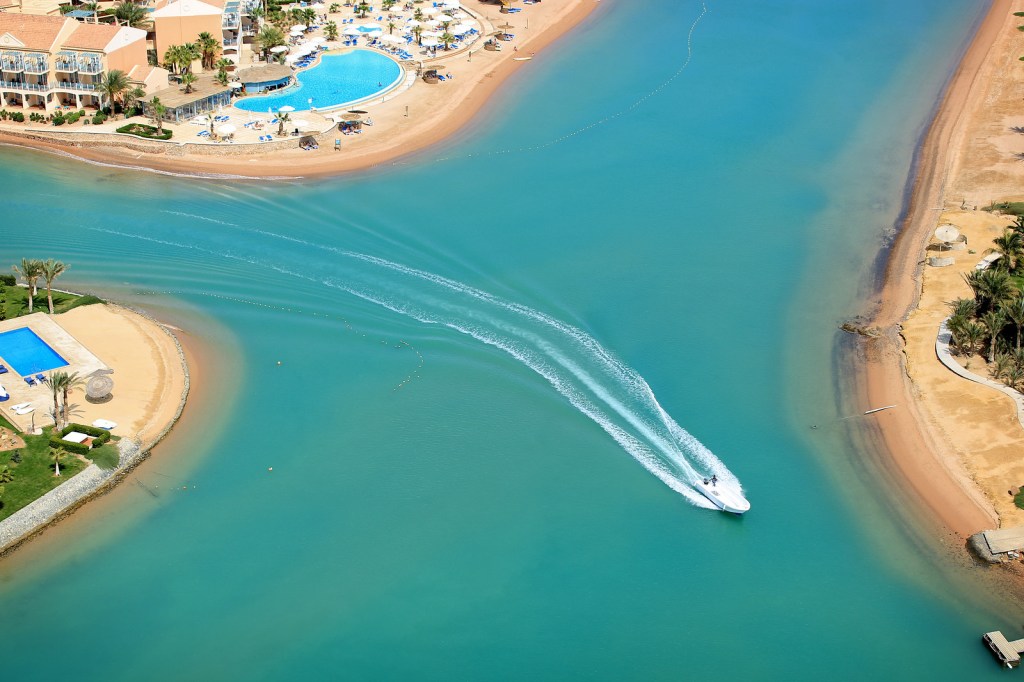
Egypt is making measurable progress in sustainable travel and tourism efforts, with two towns dedicated exclusively to sustainable travel. A recent report by Bain & Company highlights the small "eco-village"…
As new distribution capabilities and alternative strategies emerge, travel agents' traditional reliance on global distribution systems for selling tickets is changing.
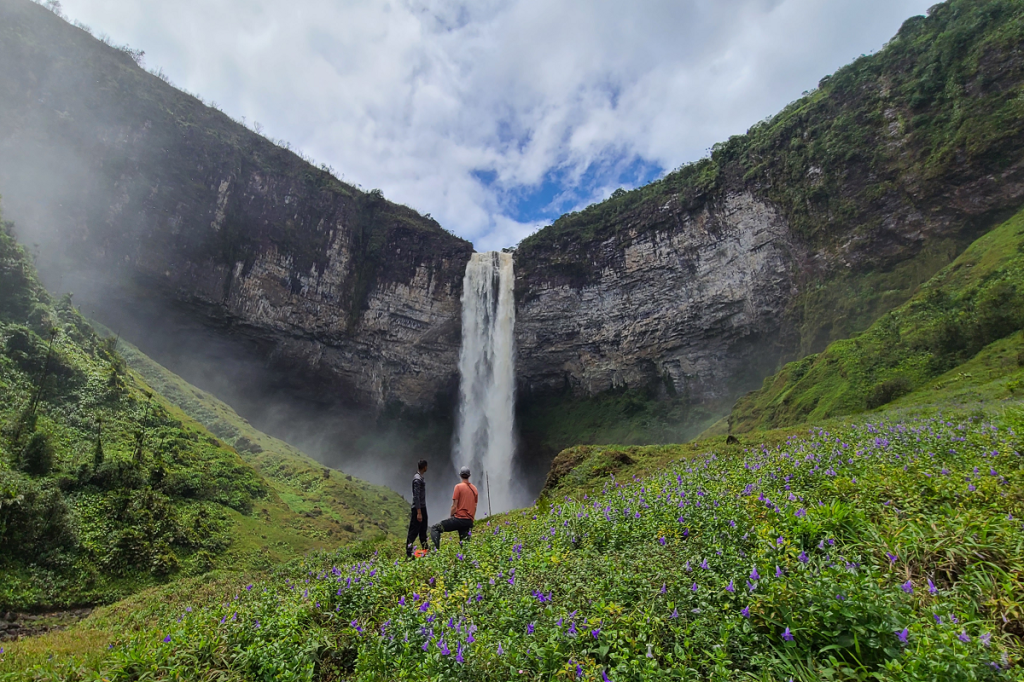
It's one thing to create off-the-beaten-track adventures, but just how sustainable these multi-day experiences are needs careful consideration from the remote locals. After all, they're expected to drip-feed off those offerings by showcasing their everyday existence.
St. John’s, a beautiful and dynamic coastal city surrounded by notable natural sites, is a center of innovation for Canada’s natural resources and energy sector and is leading the way on reducing the industry’s environmental footprint.
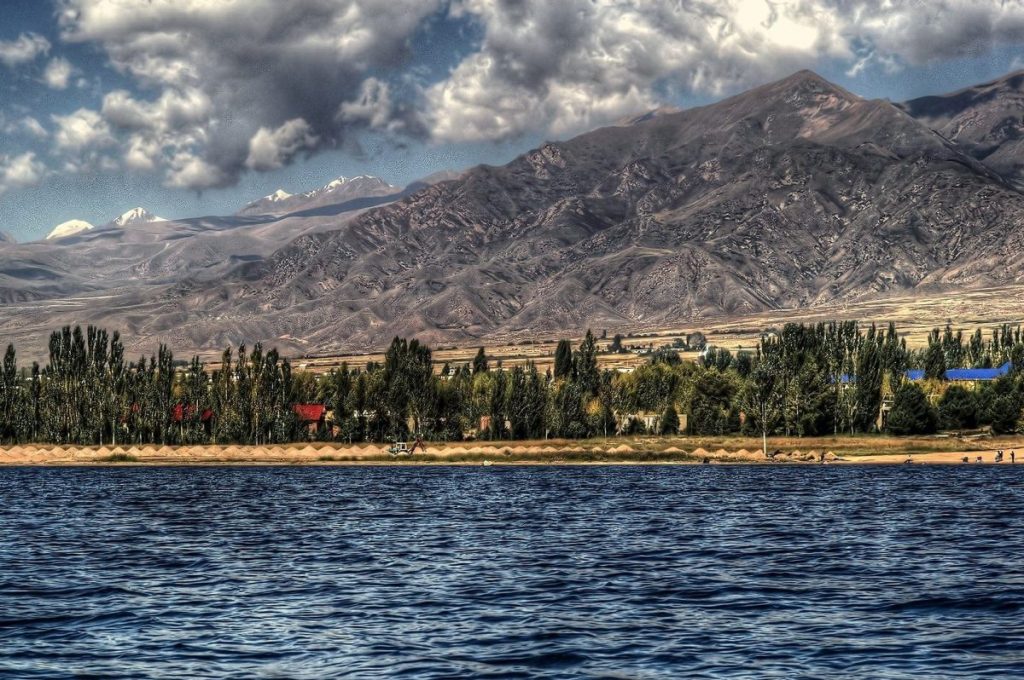
If Kyrgyzstan wants to develop tourism, it should look to harness its abundant natural resources. The creation of a mammoth "eco -city" in an environmentally vulnerable area may not be the best boost for the country’s tourism potential.