With 41% of U.S. travelers who haven't used travel agents saying they're open to the idea, the agent industry sees major growth potential in market share.
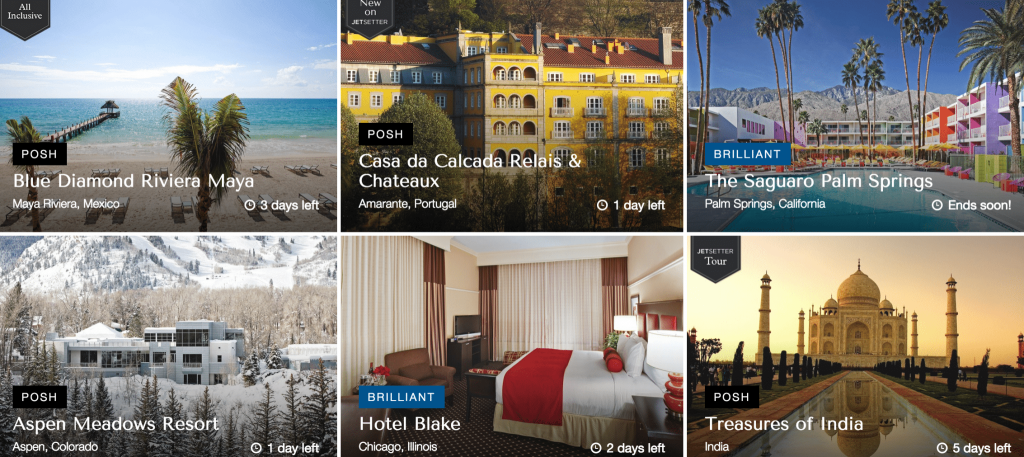
Jetsetter is desperately trying to imitate market competitors with its new "collections" branding of participating hotels. The site may still have an identity issue, though, as it balances its flash sales offerings while trying to simultaneously become a lifestyle brand.
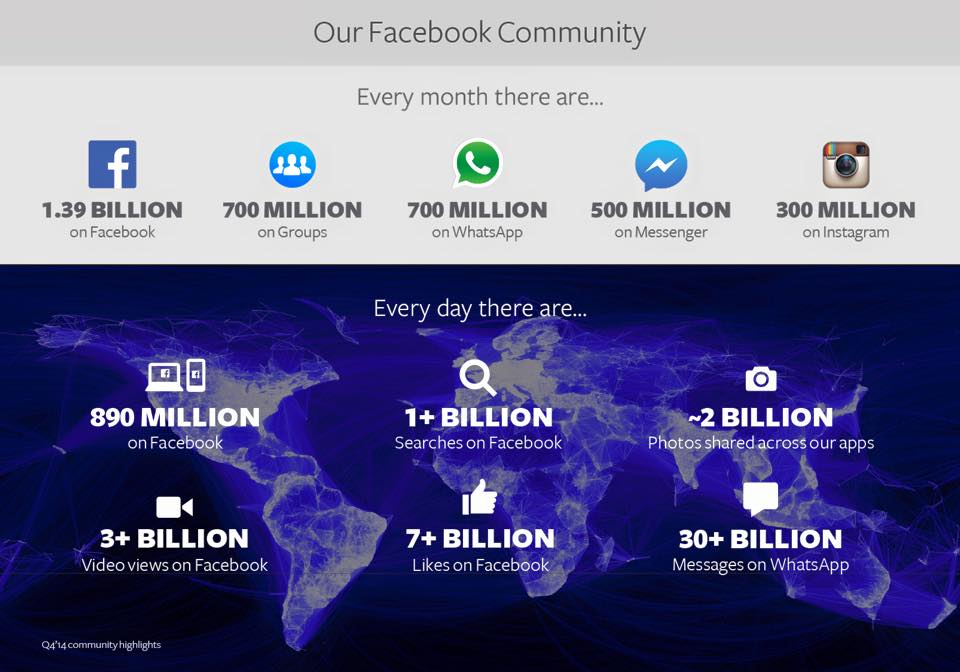
Zuckerberg and his team hope to further connect the dots between the activity on social, online, and real-life by holding the proverbial social-ROI carrot over marketers' heads.
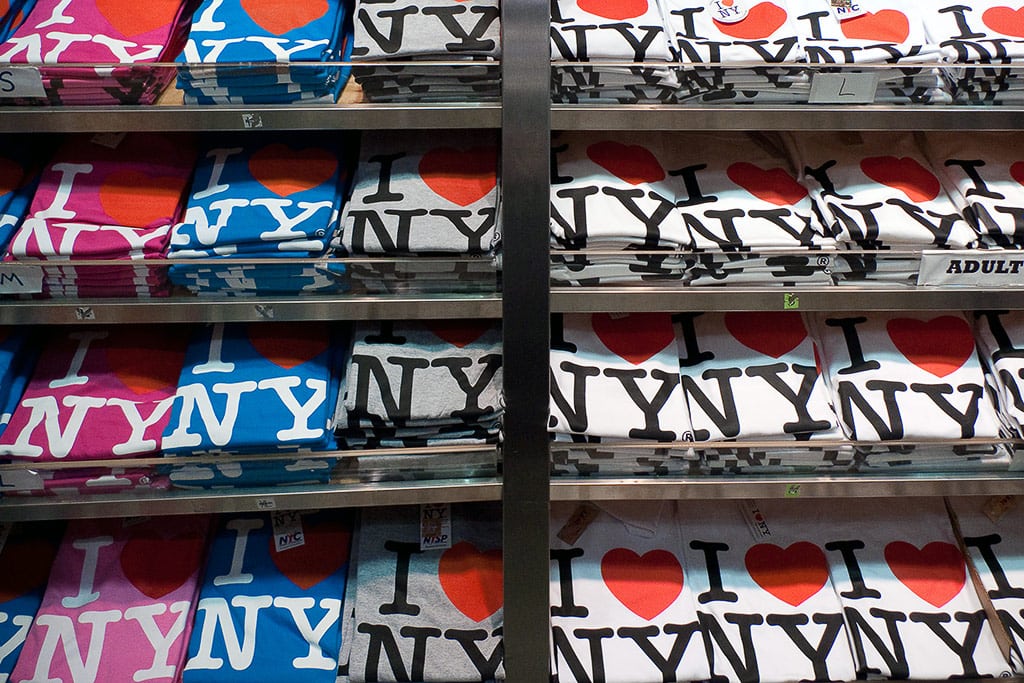
As global tourism continues to grow, New York City benefits from its position as a gateway to the U.S. as well as a cultural icon that tops many travelers' bucket lists.
Abercrombie & Kent may have been one of the first companies to capitalize on experiential travel but it has since become a mainstream phenomenon sought after by travelers of all spend levels. Companies across all sectors can learn from Abercrombie & Kent's decades-long success.
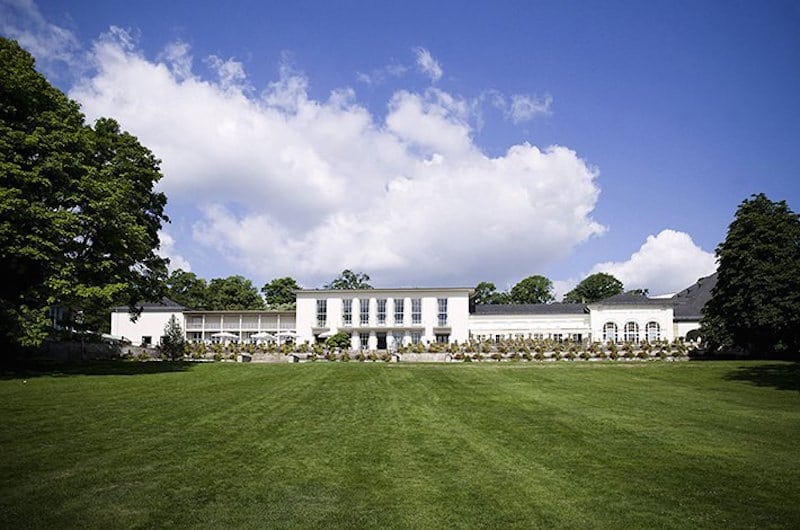
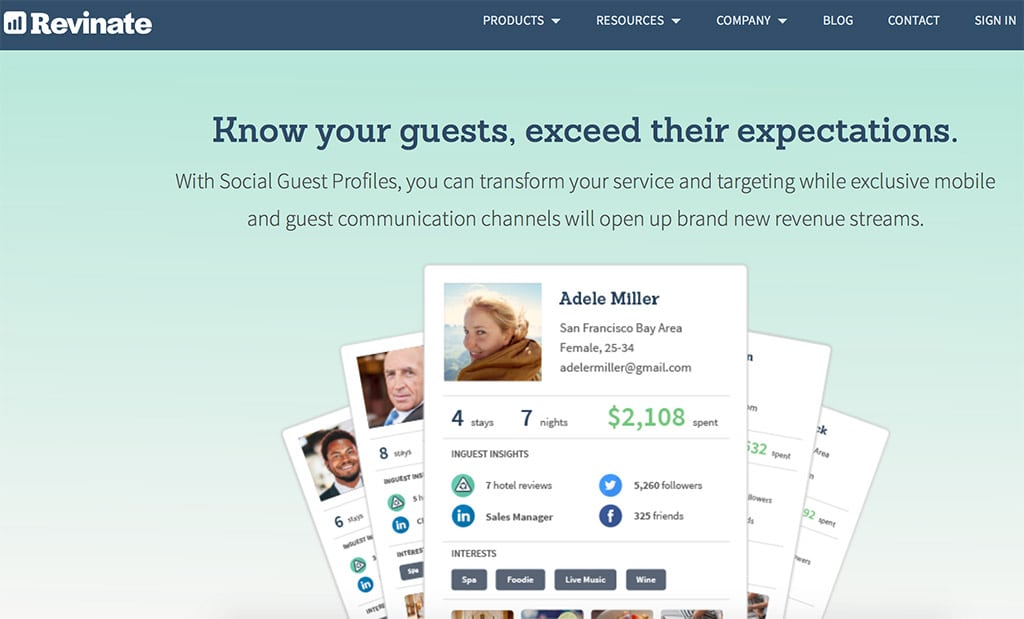
Fostering a personal relationship with guests, which is critical for hotels looking to build loyalty and drive direct bookings, has never been easier through multiple online channels. However, tools that streamline, automate and consolidate some of that information and interactions is necessary to sustainable success.
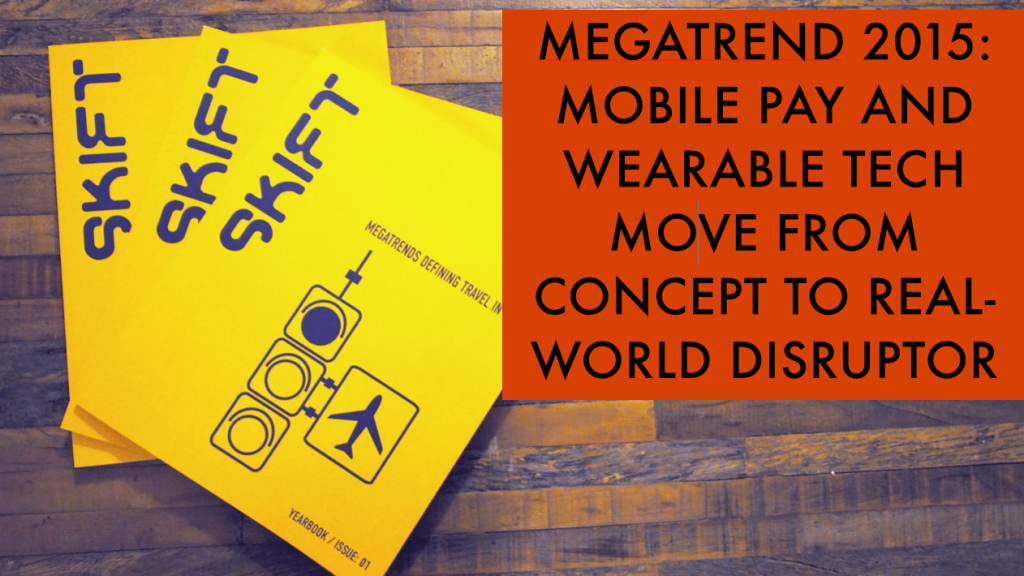
Walking into a travel terminal, beginning a journey and then following it through, is poised to become an increasingly autonomous experience. It may well be marked not as much by lines at a kiosk but instead by the wave of a watch or band at a sensor, followed by an instant interaction in which seamless add-ons and ancillary sales could become a major market factor for travel brands who lean into the convergence of mobile payments and wearable tech.