Women aren’t afraid of risk – but they do face unique challenges. These leaders have blown past them and are reshaping the travel industry in the process.
India could have been the U.S.'s safe bet amid the current tourism turmoil. Instead, the stricter vetting, changing visa rules, and tariff wars might just have turned them away.
Luxury tourism has long been sold as Africa’s ticket to economic growth: high-paying visitors, low environmental footprint, and prestige destinations that draw global attention. Yet studies suggest otherwise.
France's strategy involves targeting long-distance travelers from Asia, the Gulf region, and North America to boost spending per visitor and catch up with Spain and the UK.
For travel businesses, the opportunity lies in promoting nature and outdoor activities while preparing for long-term climate risks that could reshape demand.
Boom Supersonic’s Blake Scholl says faster-than-sound passenger flights could launch before the decade’s end — and this time, the economics may finally work.
Rakesh Gangwal’s latest stake sale signals the steady unwinding of his association with IndiGo, marking the end of one of Indian aviation’s most defining partnerships. And to investors, the timing for this long-coming offloading is hardly surprising as IndiGo is at its strongest yet.
D.C. hotels had 64.3% occupancy amid a federal police takeover last week, down 2 points from 2024. That was broadly within national trends as the industry faces a mild softening in demand.
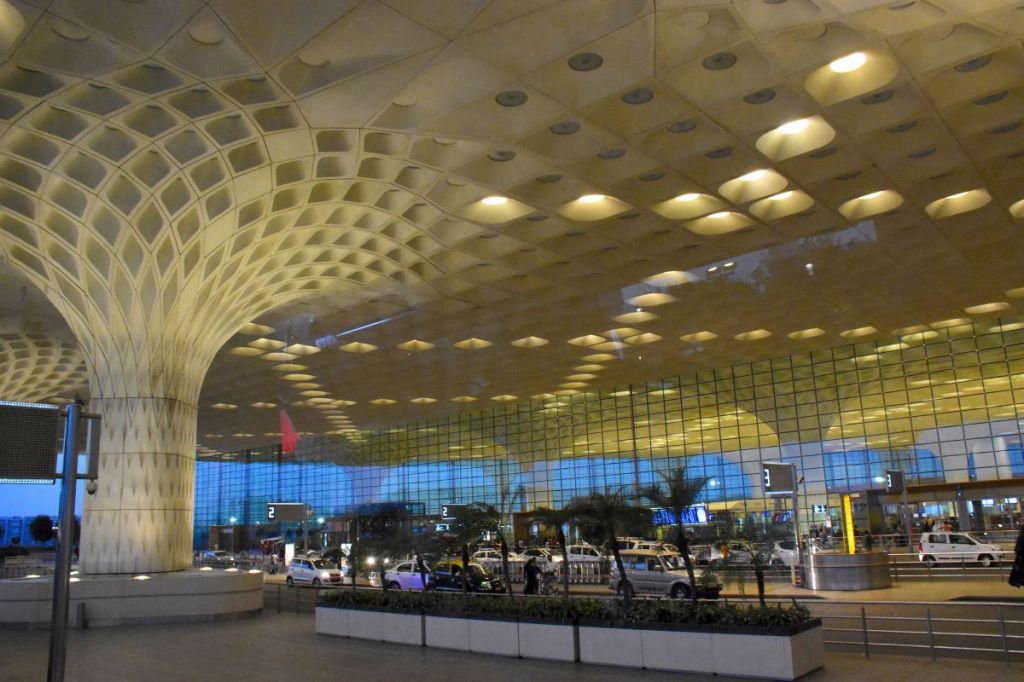
With everyone wanting a piece of the travel surge in India, airport operators are no longer relying only on businesses' marketing for their revenue. Adani's digital initiatives aim to drive revenue by directly engaging and encouraging passengers to spend more at airports.