Marriott International News

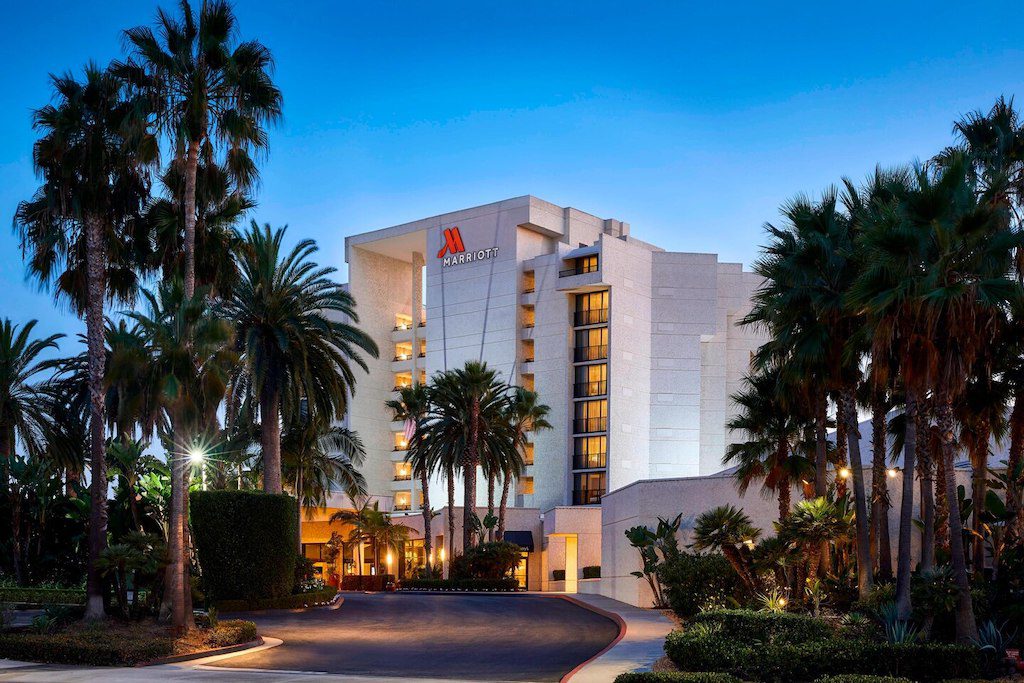
The journey of the largest hotel chain in the world, Marriott International, Inc. – now with more than seven thousand hotel, residential, and timeshare properties – began with a root-beer stand in Washington, D.C. in 1927 started by J. Willard and Alice S. Marriott. Following its $13.3 billion acquisition of Starwood Hotels & Resorts in 2016, it became the largest global hotel company. It currently commands a mammoth portfolio of more than two dozen hotel brands such as JW Marriott Hotels, The Ritz-Carlton, The Luxury Collection, Delta Hotels, Marriott Vacation Club, Le Méridien, Sheraton Hotels and Resorts, Courtyard, Fairfield, and W Hotels. Its properties contain nearly a million and a half rooms worldwide. Through its premier loyalty program Bonvoy, it is engaged in partnerships with the likes of United Airlines, Uber, American Express, Hertz, and others to optimize customer engagement.

Short-Term Rentals of the Future and 11 Other Top Travel Stories This Week

In our top travel stories this week, Skift Editorial and Skift Research covered Airbnb and short-term rentals from every angle. Our most popular stories also included the latest acquisition of Lonely Planet, an interview with former Continental Airlines CEO Gordon Bethune, and the false hope of digital passports.

Are Giddy Airbnb Investors Underestimating the Regulatory Risks?

Before the pandemic turned the world sideways, nearly 12 percent of Airbnb's revenue last year came from its top 10 cities. But among them, cities like Lisbon and San Diego are taking radical steps to limit their short-term rental portfolios. Are investors overlooking the likelihood of vastly more stringent regulations?

Understanding Today’s Hotel Distribution Landscape: New Skift Research

The hotel distribution landscape is complex, with hotel rooms being sold and promoted in many different channels. Covid-19 has certainly impacted how and where hotel rooms are being distributed, but it is unlikely this disruption will be sustained long-term. That’s not to say that disruption isn’t coming, though.