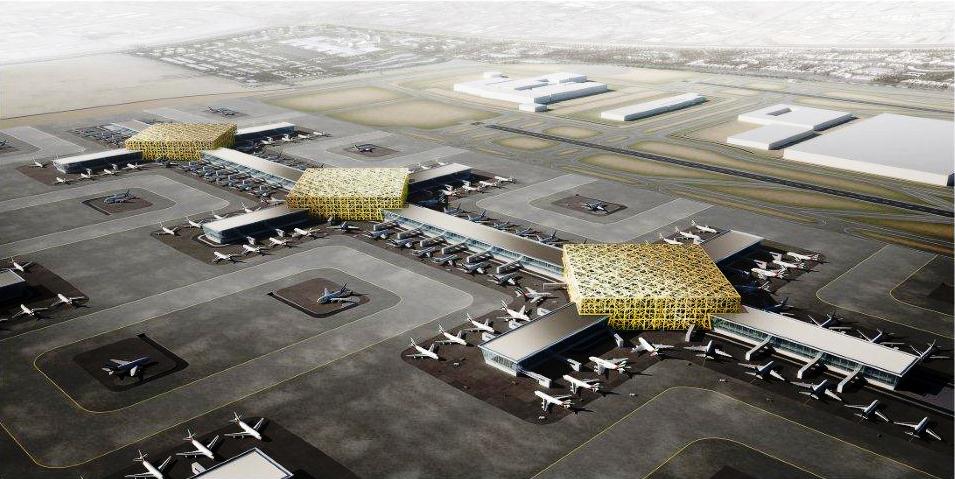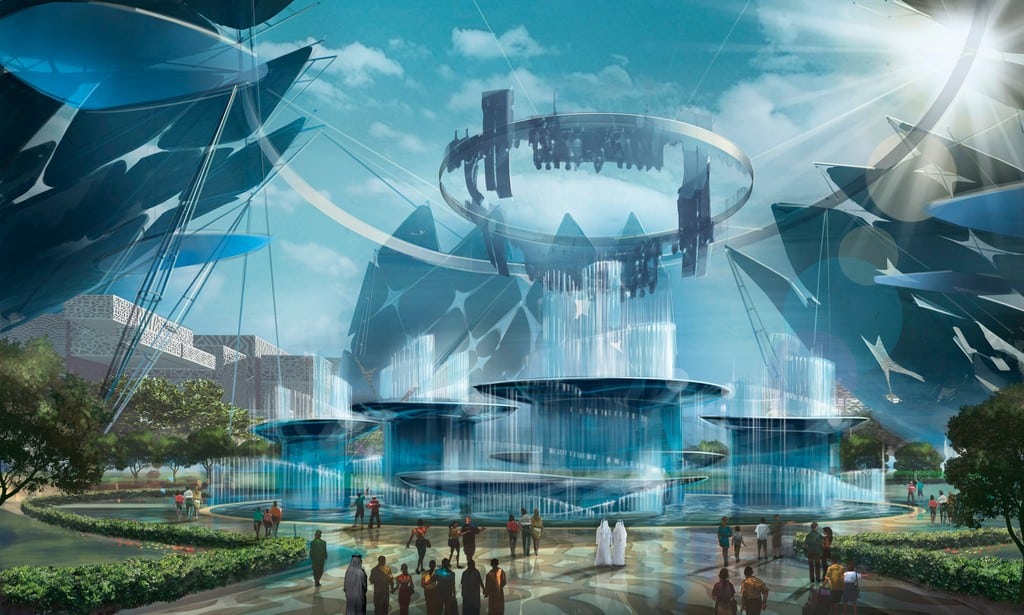
Tomorrow's Dubai Airport will still be huge, but it's more reasonable to break it up into nodes instead of fitting those millions of people in a single structure.
Dubai might not offer meetings and convention attendees the culture of Tokyo or the cuisine of New York, but its location, growing room and space inventory, and desire to bring in more events will drive its growth beyond the 2020 Expo.
With these awards passengers help prove larger and busier airports are capable of providing great service but smaller airports definitely have an advantage because they can often do a better job at serving less passengers more efficiently and seem to make up the majority of these awards.
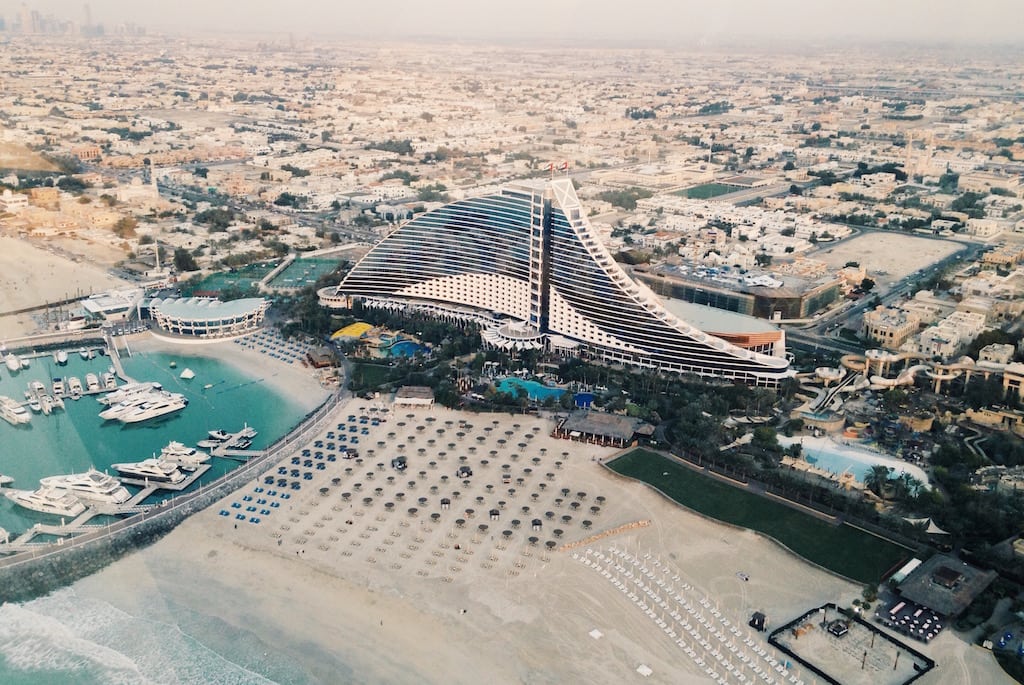
The #MyDubai initiative was a first step towards telling a more human story about the city, but Dubai's challenge moving forward will be making the city relevant outside of its iconic buildings so that visitors will travel far to visit and have reason to come back after the bucket list items are ticked.
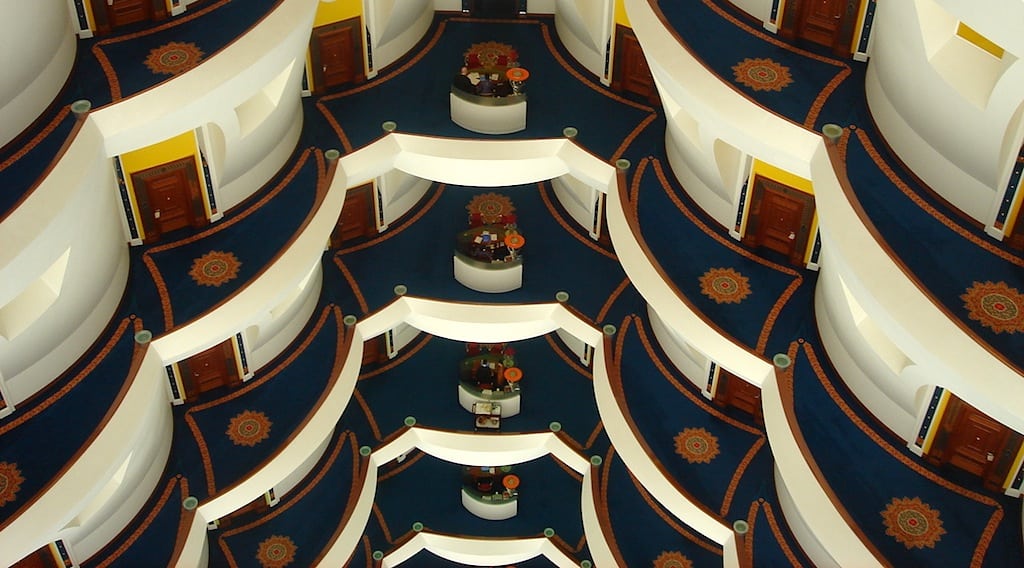
While there is a still a time and place for "white glove" service, even today's highest spending guests are looking for a more curated, personalized version that uses technology to inform better stays.
Although this is an inaccurate method for measuring tourism, it does provide a general comparison to consider next time you touch down in one of the destinations.
While the United Arab Emirates diversifies its economy by leveraging its location as a global air axis, Dubai and Abu Dhabi are aggressively preparing for visitor numbers that will dwarf those of today.
A tiered Wi-Fi service is the best option for catering to a range of travelers who are willing to pay different amounts for a corresponding level of service.