A tiered Wi-Fi service is the best option for catering to a range of travelers who are willing to pay different amounts for a corresponding level of service.
Dubai has the opportunity to become an example of how cities can gain control of their currently unregulated rental markets while strengthening their tourism offerings.
Luxury brands across all sectors are entering the Middle East to tap into the local and visitor base of high-spending customers. Their online presence is as, if not more, important than their on-the-ground services.
It wouldn’t be the first time that one of Dubai’s mega-projects fell through if the Discus Hotel is never built, but Maldives’ confirmation of a similar project lends some legitimacy to the concept.
Wyndham plays on the middle and low end of the market, so the CEO has a reason for saying what he did. But he is right, opulence for opulence sake is Dubai's specialty.
Rival execs mocked Starwood's decision to relocate, but the brand's leaders are definitely learning more on site than they are mulling over spreadsheets in a corporate campus.
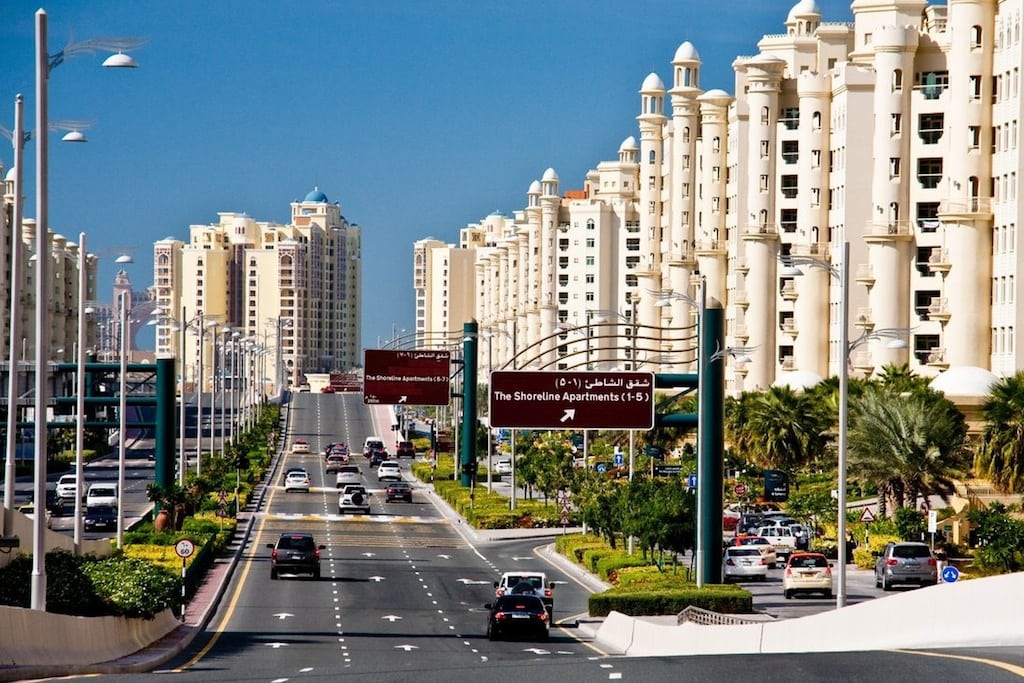
Dubai hotel occupancy is among the highest in the world at 88 percent, but few are the full-service apartments that appeal to business travelers, frequent regional visitors, and most importantly, investors.
The new hotel group was created by a group of investors in Dubai, making its first and likely flagship location no surprise, and right at home among the city’s eclectic and expensive hotel options.
The rulers of these tiny nation-states have realized the geopolitical advantage of being located where they are, and used the airlines as a proxy to extend their power.
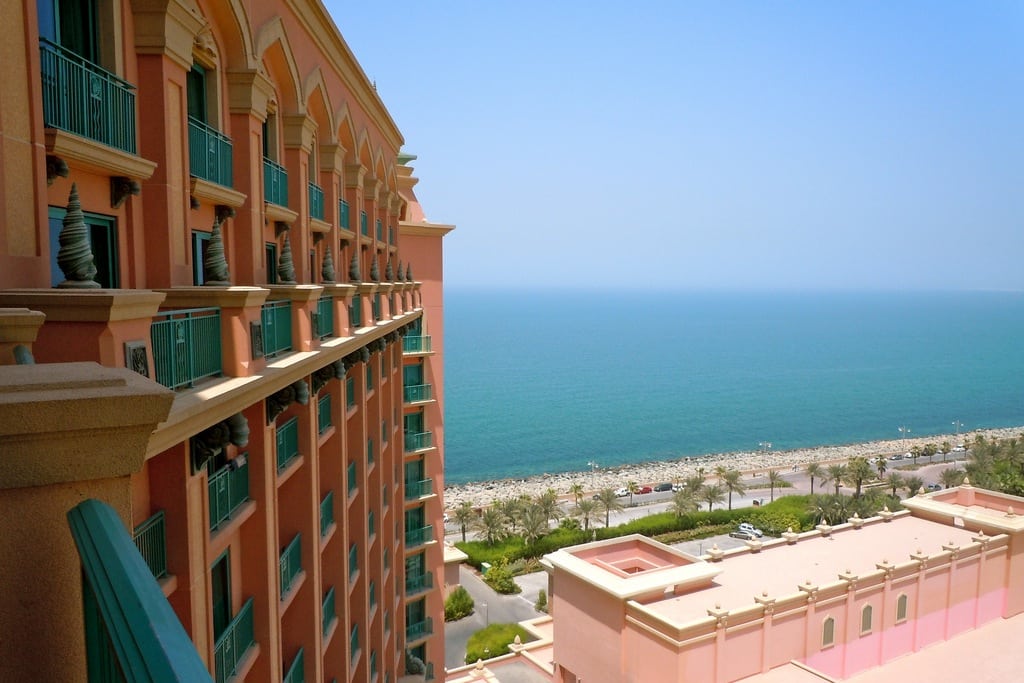
Despite all the odds and lots of logic, the palm-shaped development in the sea has survived the economic downturn and Dubai's financial challenge and continued to be a destination for high-end resorts and real estate.