Google is an even mightier king in 2016 when it comes to what leads travelers' to brand websites and, ultimately, what gets them to make a purchase. But direct website visits shouldn't be overlooked: These were the next largest source of site visits and revenue.
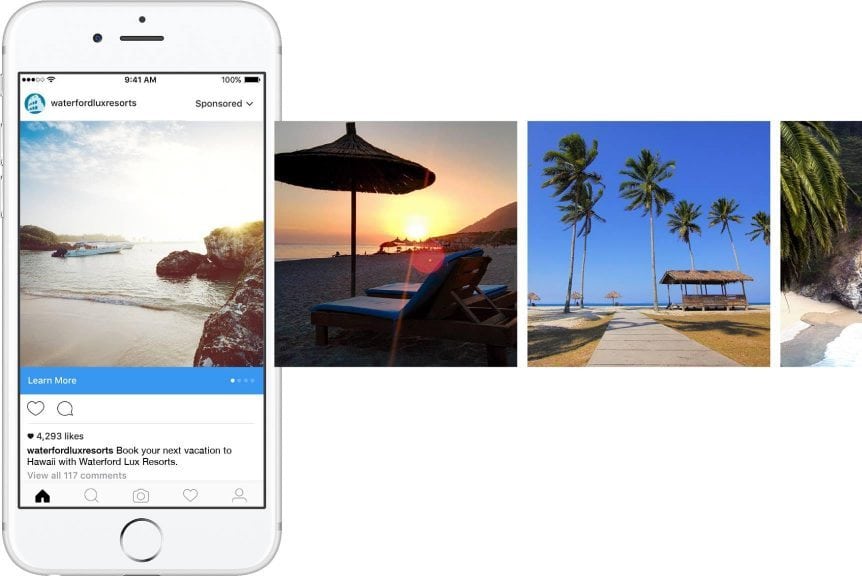
Travelers should settle in to see lot more advertising from travel brands on social media than they probably already do. That's not necessarily a bad thing provided the ads aren't stoic and connect with content marketing plans both on and off social.
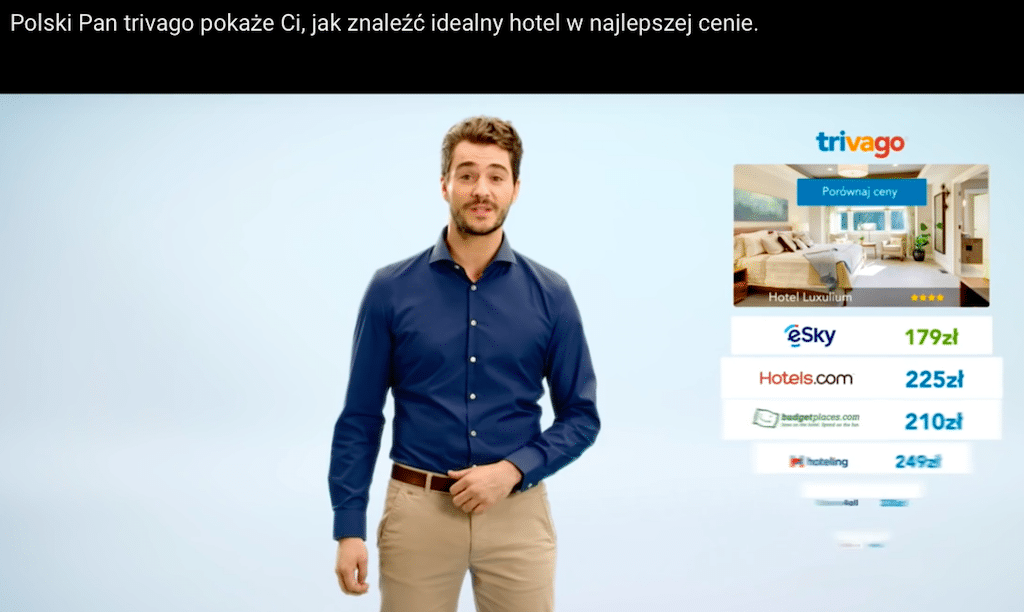
If Expedia is successful in turning its Trivago hotel-metasearch unit into a public company in 2016, it would be the second time Expedia has monetized an asset in such a way in five years. Expedia shareholders made a ton of money when Expedia spun out TripAdvisor in 2011.
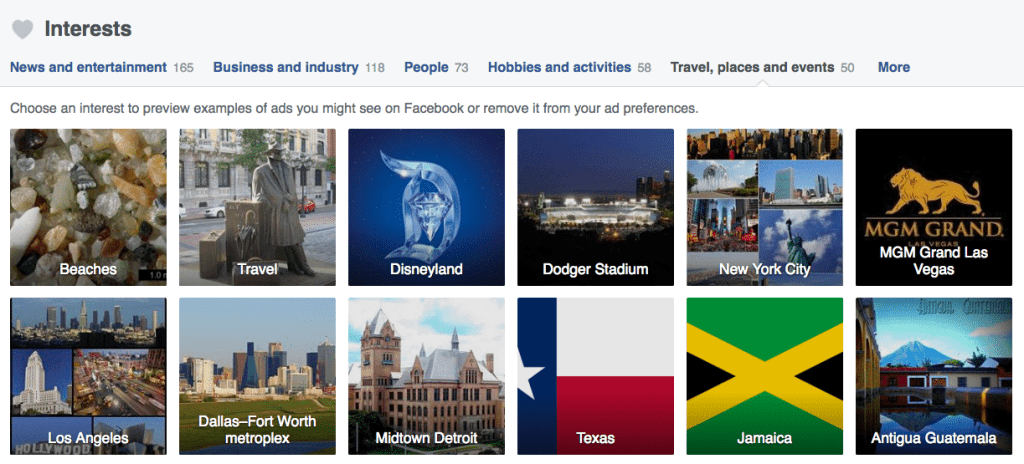
It couldn't be more clear that Facebook wants its users to see the highest quality and most relevant content possible and its latest ad preferences update could have big implications for travel brands that both serve compelling and uninspiring ads to consumers. Meanwhile, Expedia and Priceline are seeing a lot of success with Facebook and are both upping their spend.
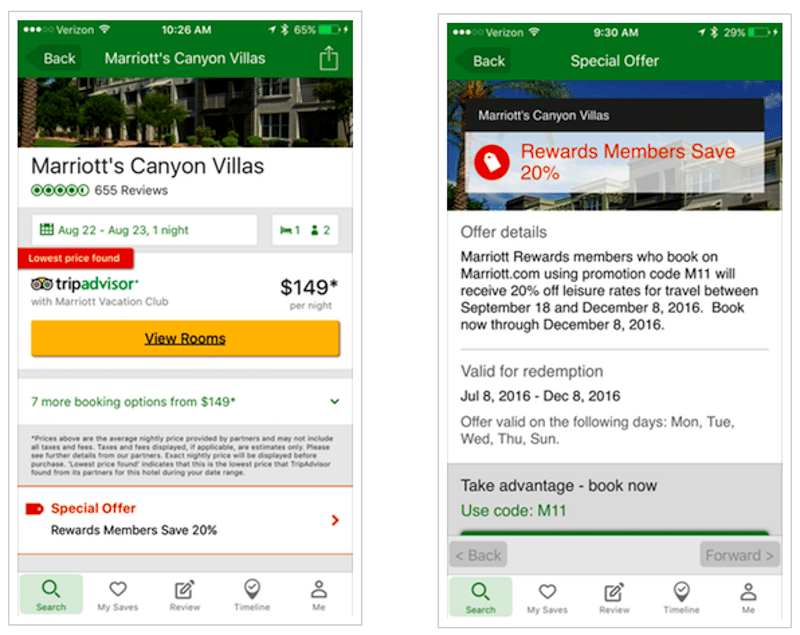
In online travel and the lodging industry, as well as politics, astute observers follow the money. As it is with Marriott: The chain is using TripAdvisor 1) for bookings with lower-than standard online travel agency commissions and 2) to advertise even-lower-cost direct bookings on Marriott.com. Makes perfect economic sense.
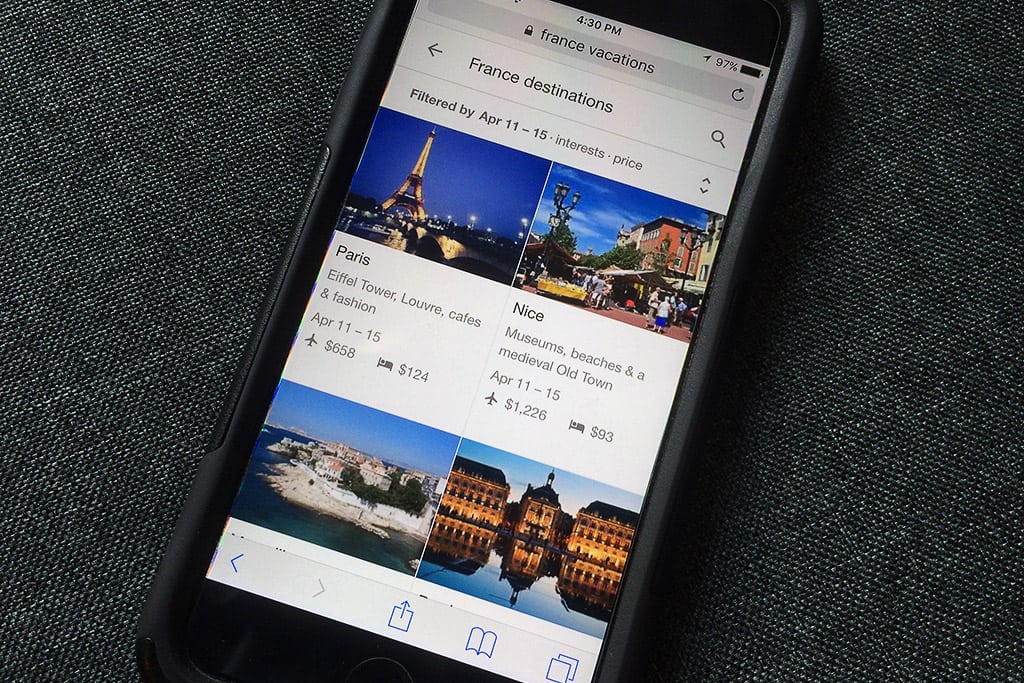
Why would a traveler research hotels and flights to Hong Kong, but end up booking a trip to New York City? How much time does a traveler spend researching before deciding on a destination or booking a trip? Where do travelers seek inspiration?
We don't know if it was really "a supermodel" and her tiny dog that William Shatner dispatched to Priceline.com headquarters in the late 1990s to do due dilgence on the company, but we do know that Shatner, who smashed a guitar during one shoot, was highly talented and broke new ground for an emerging brand.