From co-working spaces to restaurant reservations, AccorHotels has demonstrated its willingness to make acquisitions, investments, or strategic partnerships outside of hospitality. It is all in an effort to become an all-in-one experience platform serving consumers no matter what their needs are, and investors seem to like it.
With the sale of a majority stake in the company's owned and leased hotel business, AccorHotels is a more stable, nimble company, with the ability to pursue additional acquisitions and other strategic initiatives. In our latest research report, we break down what going asset-light means for the company and tackle ways of measuring the success of its M&A strategy.
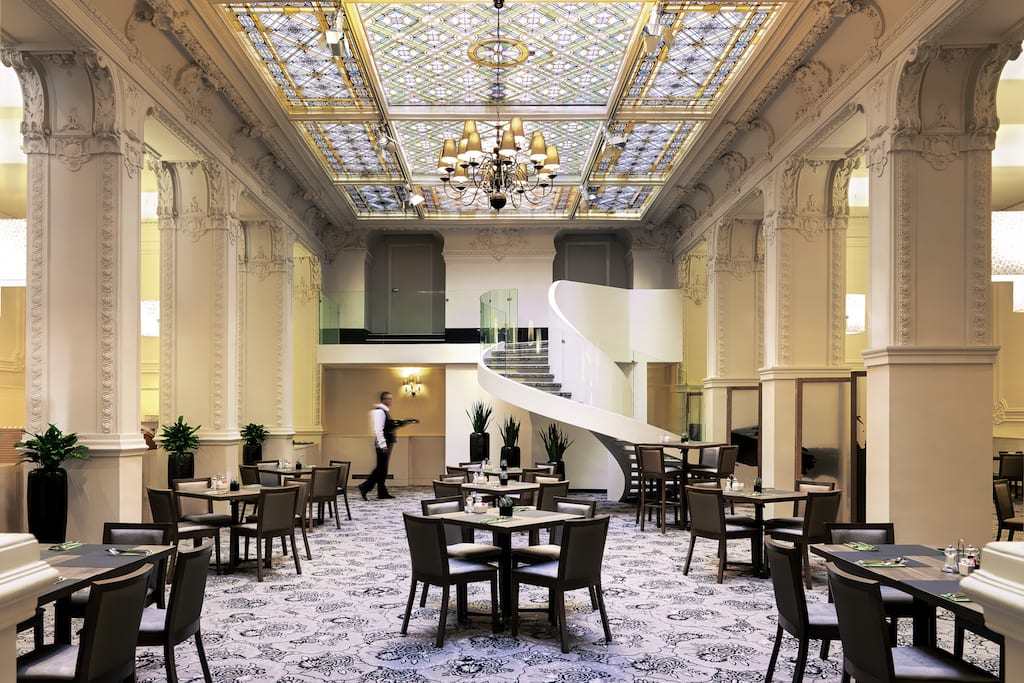
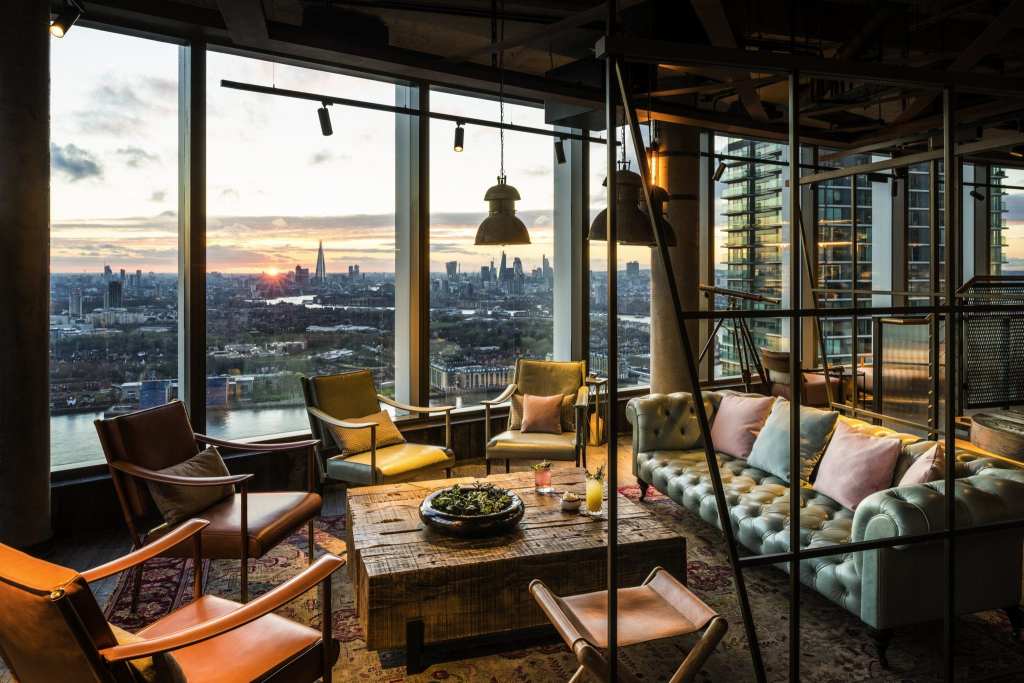
From the simplest inn to the fanciest five-star resort, hotels are adding food and beverage concepts to their amenity offerings. Not only are these designed to make money, but they’re expected to attract locals and create social media buzz.
We know what you're all thinking: Can Onefinestay be saved? Was AccorHotels' decision to buy a private rental business the right move? Or should it have partnered with one instead?
Money is flowing into the hostels market and established hotel companies want a piece. Will this new corporatization cost hostels the soul of their original mission?
A new history is being charted for Movenpick and Swissotel, two Swiss hotel brands that are now under Accor, and much of that action is happening in the Asia-Pacific region. Asian owners and Accor competitors are watching closely.
Hotel companies are making big hiring moves to better position themselves in the wellness space. With so much momentum in the sector at the moment, this makes sense. How much investing in wellness actually adds up financially, though, is up for debate.
If you want to predict what the international hotel scene will look like in 10 years, it’s probably wise to focus on what’s happening in Europe right now.