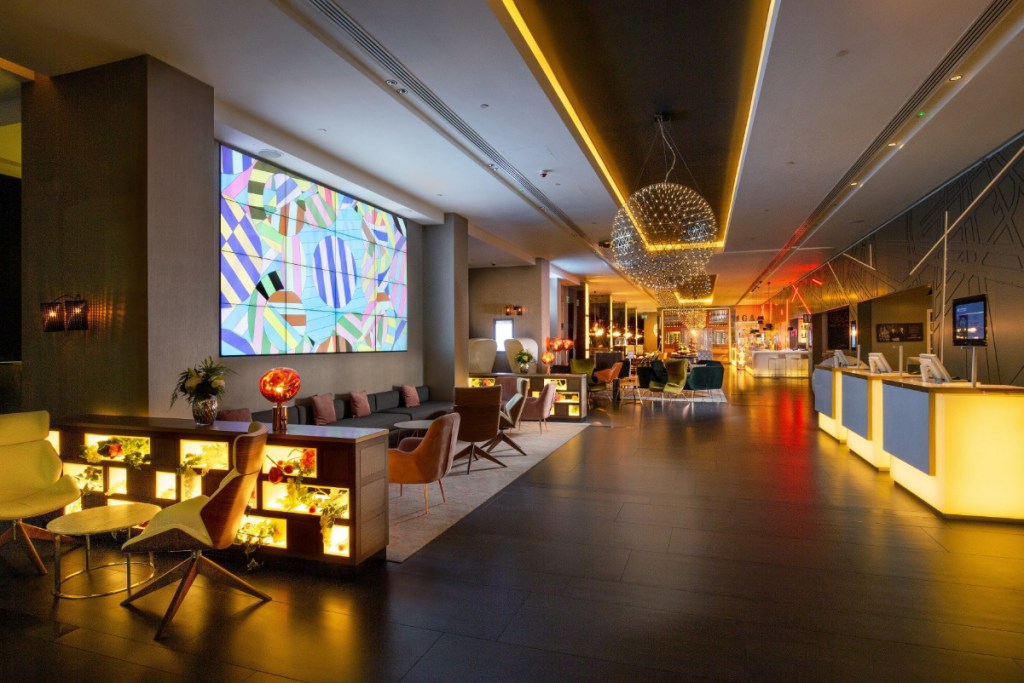
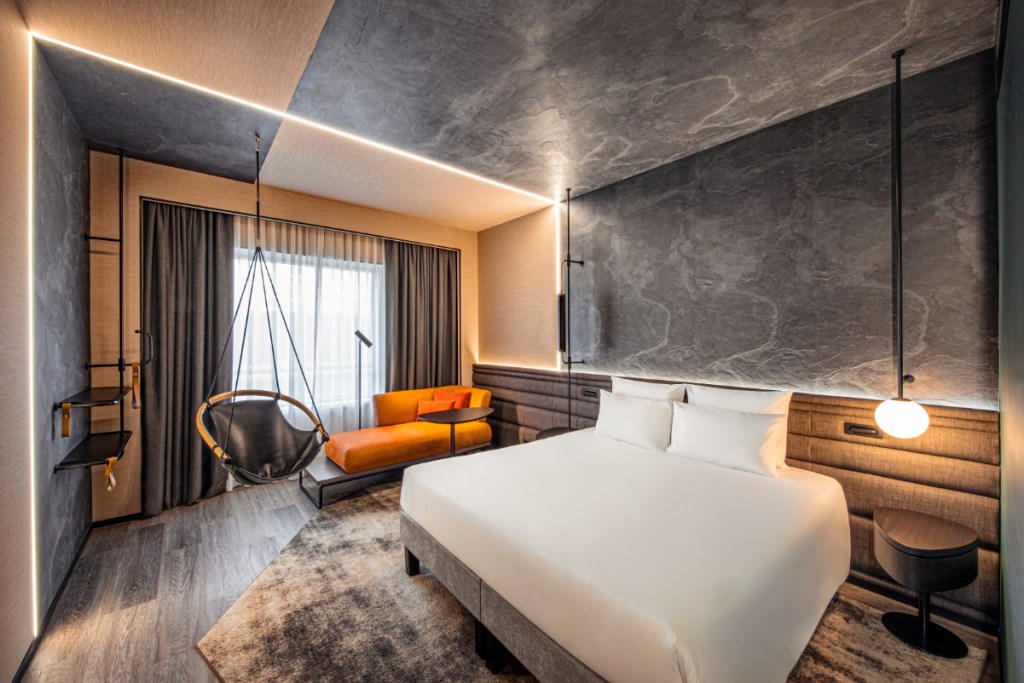
Accor is like an industry barometer, given its 5,304 hotels spanning the globe and across service types. Its numbers suggest the sector is broadly on track for recovery by year-end, with some exceptions such as China.
Reigniting corporate culture has become a priority, including meeting new hires or just training employees. In some cases it’s starting to eclipse traditional business travel, and the spike is about to hit budgets and resources that were trimmed during the pandemic.
Blackstone wants to capitalize on the upside of a travel recovery in hotels, and its investment in Groups360 is a small step. The upshot is it helps Groups360 triple the number of hotels it works with.
Accor's Sébastien Bazin is one of the rare travel industry executives who can hold a room rapt with his every word. In this video, the CEO explains some of the thinking behind his company's boldest decisions.
Live on stage at Skift Forum Europe last week, industry leaders shared their top-level vantage points on the future of work, and hospitality. One of them was more ahead of the curve than others. A little too far, in fact.
Although the American Hotel & Lodging Association is adamant that companies should resume large-scale business travel, hotels can't rely on it to drive their recovery. Corporate executives don't see the sector making a full rebound anytime soon — if ever.
An ambitious target of one million tourists by the end of 2022 has Mauritius — a largely luxury tourist destination, diversifying to lure even digital nomads and retirees. Will this help them deliver the numbers?
A couple of regions are performing well for Accor, the France-based hotel company. But let's not confuse this with those booming pre-pandemic times. The Covid hotel industry recovery still has a long way to go.