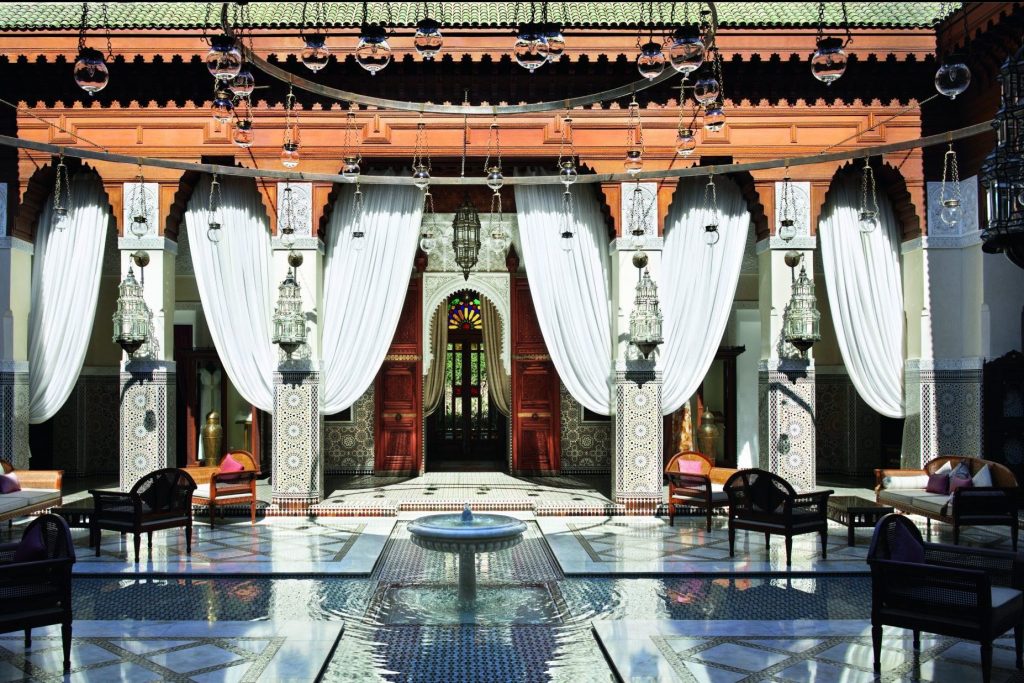
Cultural diplomacy is often found in museums and cultural initiatives. It is seldom found in hotels. The Royal Mansour in Marrakech was a statement of intent from the king to show the best of the country's craft and service. The result is impactful, especially in these times — perhaps more so than other means of country branding.
If your consumer-facing experience is cutting edge Mac, but your back end is a dusty PC, you have a problem. Now more than ever as workers return to the job, hospitality brands need to ensure that the experiences, both physical and digital, that employees have are as strong as the consumer experience.
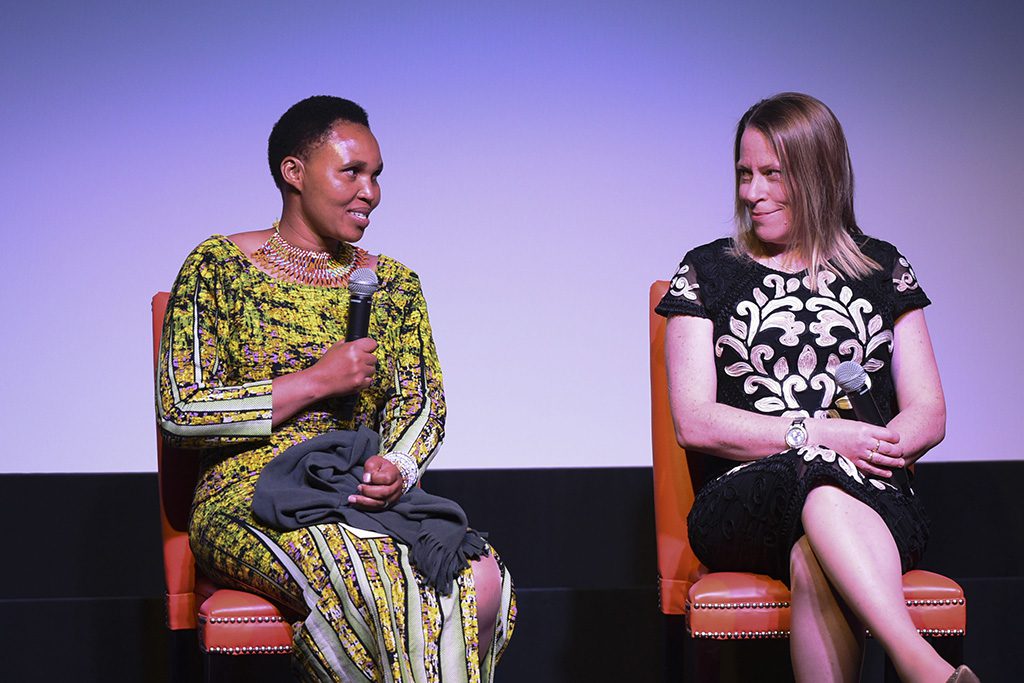
For Africa to realize a lot of its economic potential, especially within hospitality, elevating women to positions of leadership will help power and accelerate growth. Asilia's Dunia Camp in Tanzania, run by General Manager Angel Vendeline Namshali and her team of all women, is an example of this positive change.
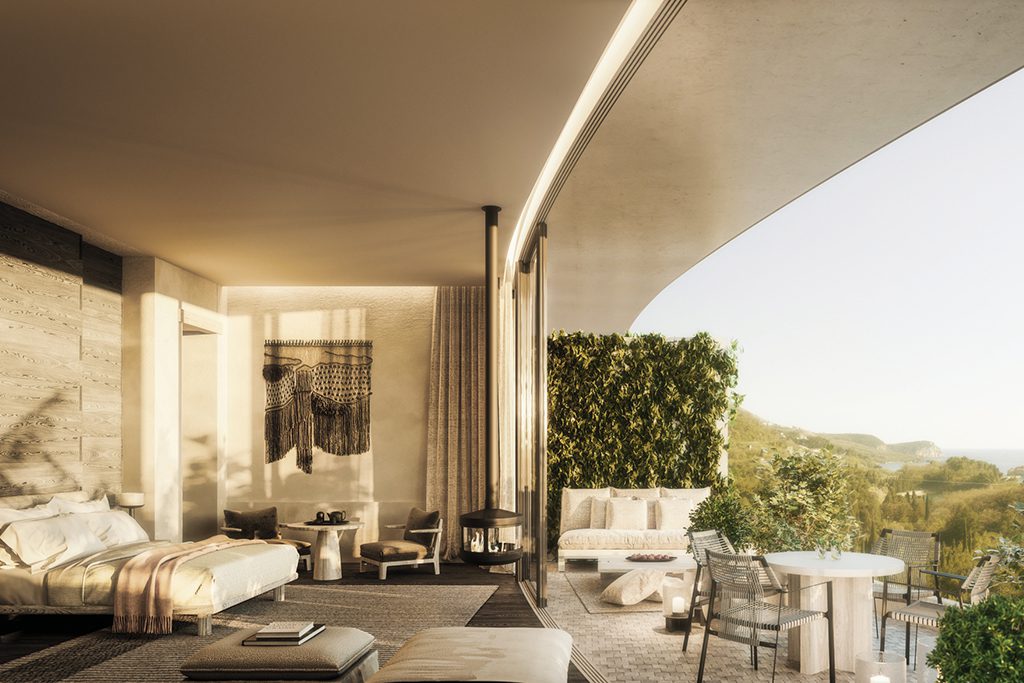
Aman launches a new sister brand. The opportunity? To give creative class travelers more connected and social experiences while in the familiar aesthetic considerations (and a lower price point) of the elder sister brand Aman. Right now it's all theoretical, but the rationale is rock solid.
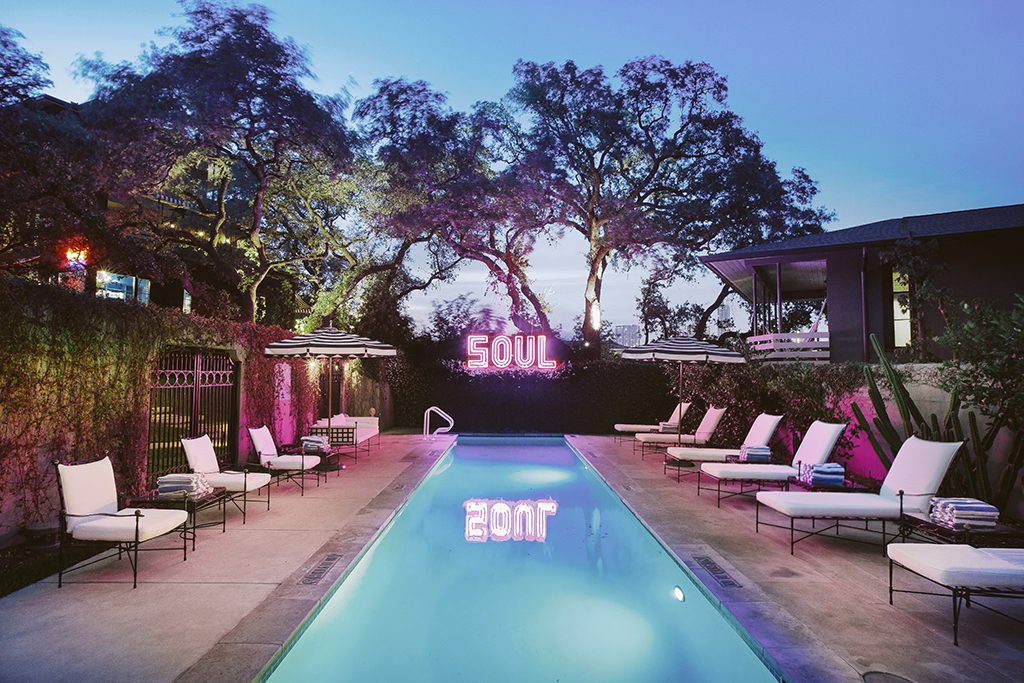
Music is getting better at hotels. What was once piped through in muted tones has now moved front and center. The strongest hospitality companies are investing in experiences in an effort to map from the soul of a brand and capture its signature sound. And, as Sister City has shown with its Björk collaboration, hotel music can become high-concept performance.
Connecting luxury travelers to the local community and fostering a better understanding of a destination is hard to do well. Here are two examples that the industry can draw inspiration from.
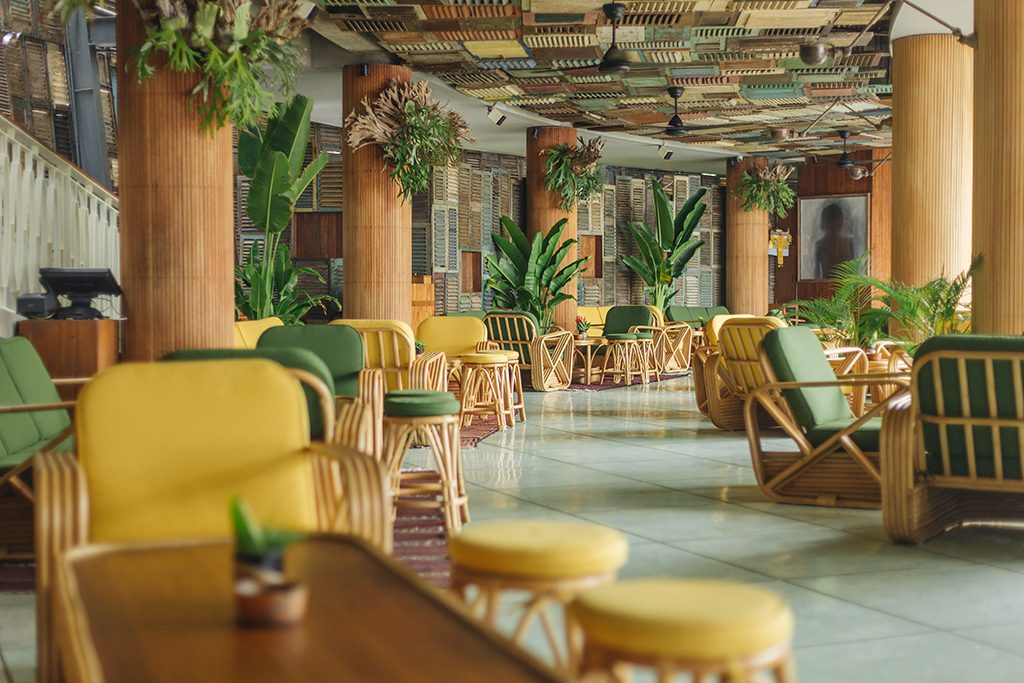
Lifestyle brands can feel like the forced product of one too many focus groups. Potato Head is the opposite: It's an Indonesian-born lifestyle brand that has been slowly built from the ground up with an emphasis on community, art, and culture.
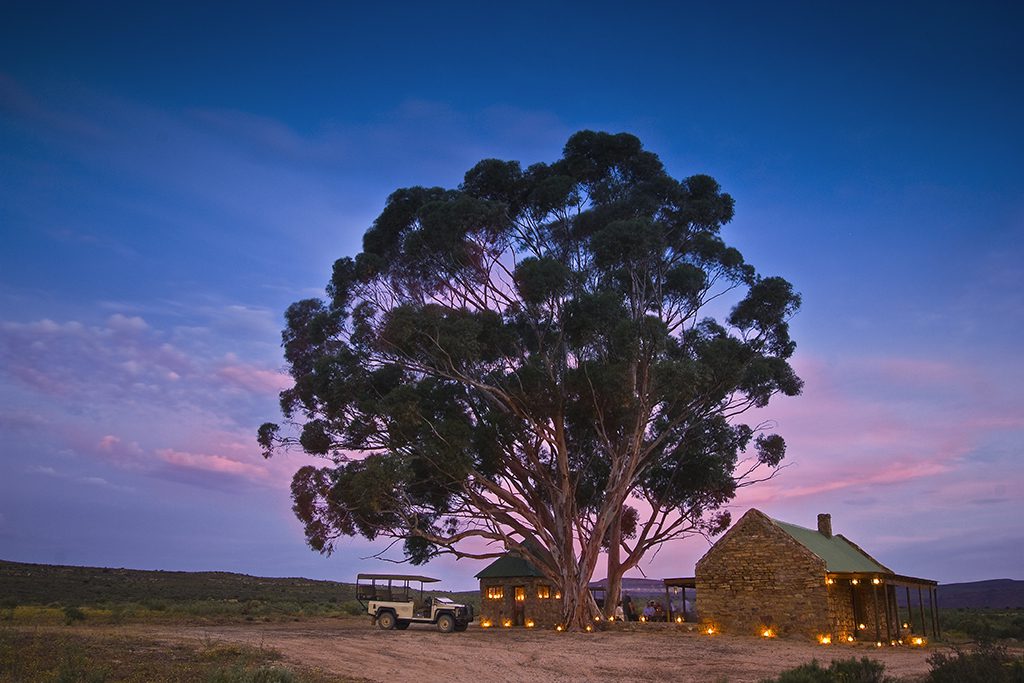
South African tourism is on the decline. There are several factors at play, but given the diversity of experiences that can be had in this country of 58 million people, what's needed is a new and sharper narrative.
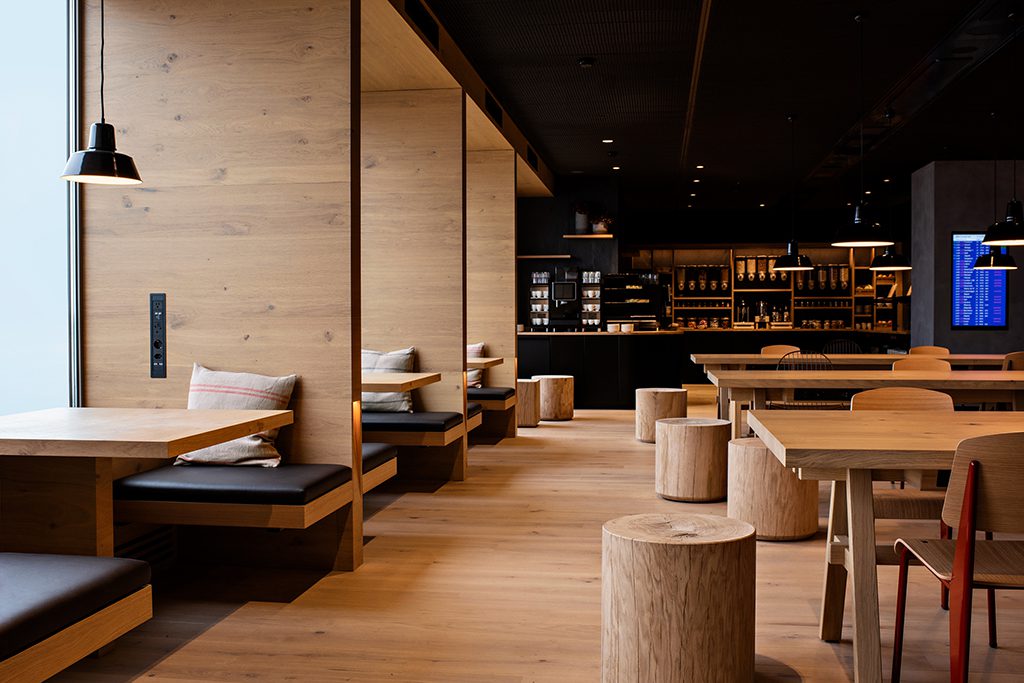
Despite the investment and focus on lounges to compete for and retain premium passengers, there's a lot of thinking left on the table. Here are some simple fixes to design a better experience on the ground.