
The Rise of Civil Rights Tourism in America’s Deep South
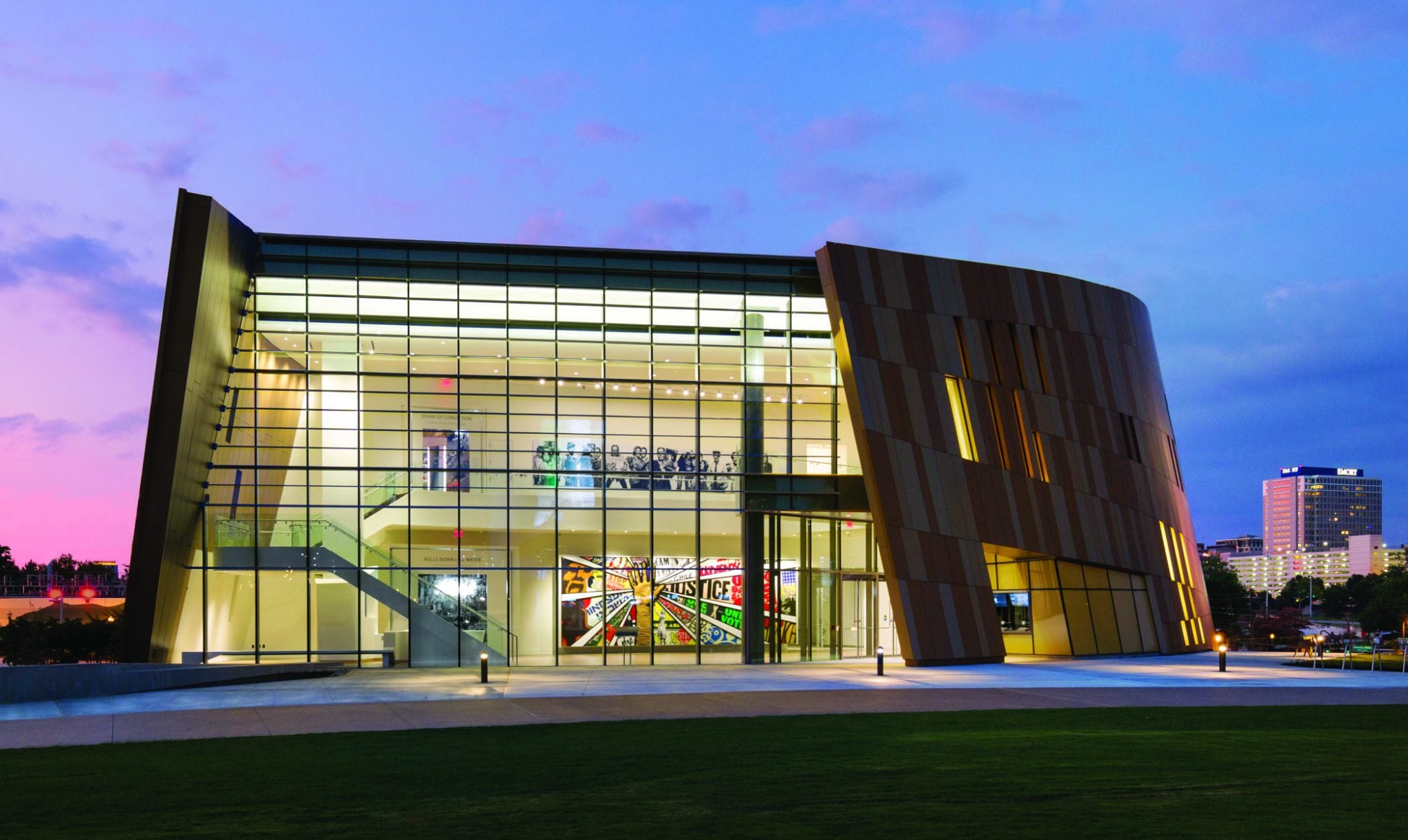
Photo Credit: The National Center for Civil and Human Rights in Atlanta, Georgia is one of several such attractions to open recently across the Deep South. National Center for Civil and Human Rights
Skift Take
Historically, tourism in the Deep South steered clear of discussing slavery and Jim Crow, instead leaning on less contentious topics like country music and antebellum architecture. But now, civil rights museums are becoming an important part of the South's tourism landscape, even if many state tourism boards haven't gotten on the bandwagon.
Over the past three years, new and newly revamped civil rights museums have appeared across the Deep South, proving to be popular tourist attractions and economic engines.
But this is not happening without difficulty. Historically, due to the horrific and humiliating nature of slavery and the post-Civil War Jim Crow era, the South has been very slow to publicly recognize these atrocities, much less build expensive museums on the subject to attract local or far-away visitors.
According to studies conducted by Mandala Research, African American travelers spend $48 billion worldwide each year and are among the fastest growing traveler groups in the U.S. — 68 percent of African American travelers would like to learn more about African American history and culture while traveling.
Many southerners have feared that shining a light on the region's pre-civil rights past will bring a new wave of blame their way, but now the tourism benefits are hard to pass up. Civil rights tourism c

