Do airlines need non-airline businesses to survive? If one company’s unbroken 72-year run of profits is anything to go by, the answer is a resounding yes.
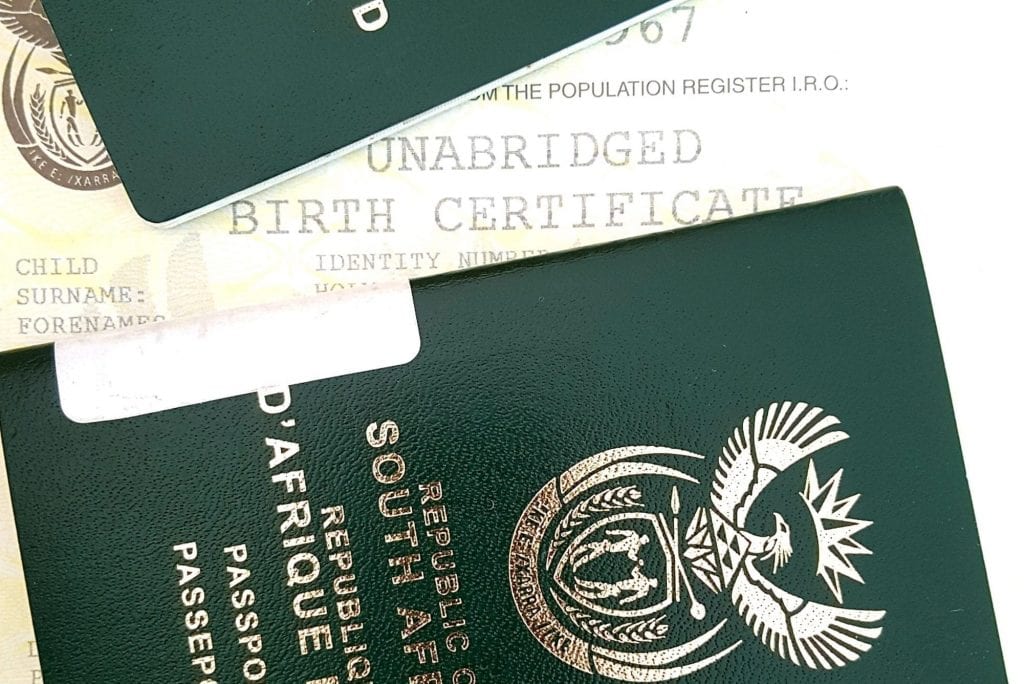
South Africa's onerous visa regime for minor travelers continues to hobble its all-important tourism industry. Amendments published last month may look like good news, but read them closely and – industry insiders say – not nearly enough has changed.
Personal experience counts when it comes to encouraging young black South Africans to pack their suitcases and discover their own country, say the co-founders of Johannesburg-based Traveling Cheapskates. The co-founders build trips that they'd like to take, too, and feel like they intimately understand their customers.
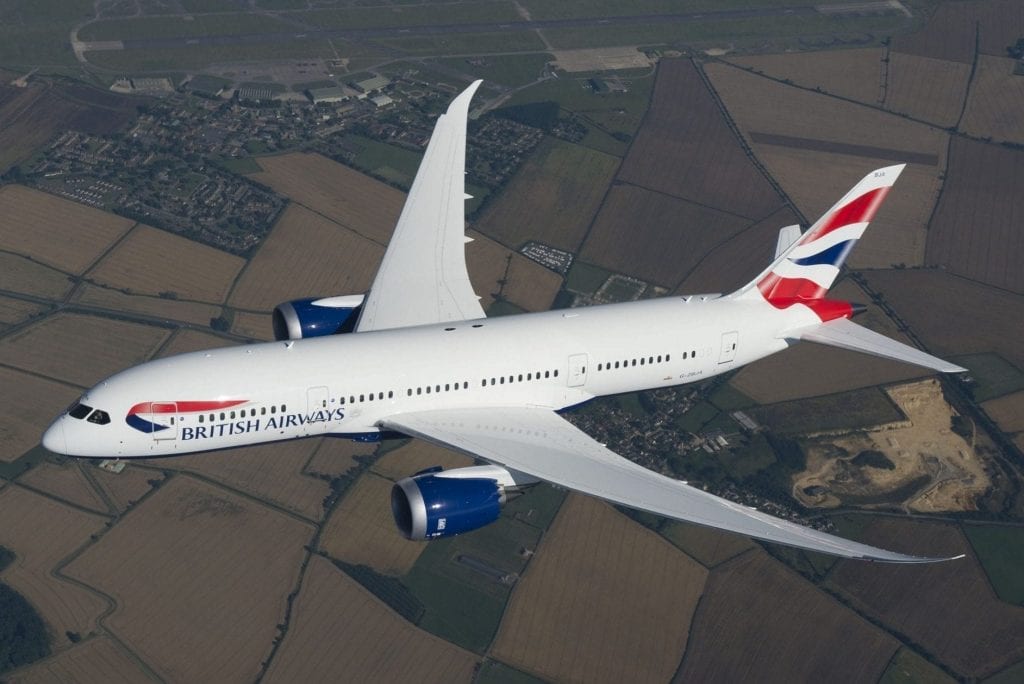
To the delight of local tourism authorities, British Airways has been only too happy to fill the gap left by an ever-shrinking South African Airways. This week, Durban was the latest African city to welcome a direct route to the United Kingdom.
Accountants at Emirates, British Airways, and South African Airways must be breathing a sigh of relief. A combination of economic carrots and airline sticks — smoothed over by IATA diplomacy — has helped international carriers recoup more than $500 million in blocked funds from African governments since the start of 2018.
Opening culinary operations on farm grounds can be a risk, but -- when done well -- minimizes costs, lessens waste, and furthers consumers' dedication to local, ethically sourced cuisine.
While there’s interest among African tourism boards in marketing actively to black Americans, these boards are missing opportunities by not diversifying their strategies.
The Cape Town water crisis has more to do with improper water management and inaccurate, inconsistent messaging than the city actually being in completely dire circumstances. That's why collaboration matters, between huge global organizations all the way down to individual travelers and locals, to promote the reality of international issues and the benefits tourism can have if done in a sustainable way.
Regionally focused online travel success stories are as rare as rhinos in the wild these days. But this merger of two South African players may help an endangered species — independent-booking players — keep thriving in a market where so much is dominated by the global duopoly, the Priceline Group and Expedia.
Airbnb is booming in Africa, but the first cracks in the success story are beginning to show – in hotels griping about the lack of regulations, and locals priced out of prime property. Can African cities avoid the side effects of the sharing economy that already blight more-developed markets?