The global online travel agency (or OTA) market is experiencing sustained, moderate growth, fueled by resilient international travel demand and rapid digital transformation across all travel sectors. The OTA market, valued at $94 billion in 2024, is projected to reach $107 billion by 2026, growing at a steady rate of 7%.
Yatra wants to move from being a travel seller to a company that helps businesses manage all parts of employee travel, and bringing in a tech-heavy CEO is its clearest signal yet.
The hospitality industry in general might be moving towards the mid-market segment, but The Oberoi Group is leaning hard into the luxury space, encouraged by growing middle class and high net worth travelers.
Expedia’s B2C and B2B segment strategy is taking off. The B2B side continues to grow, while the consumer division is finally steadying after a long tech overhaul.
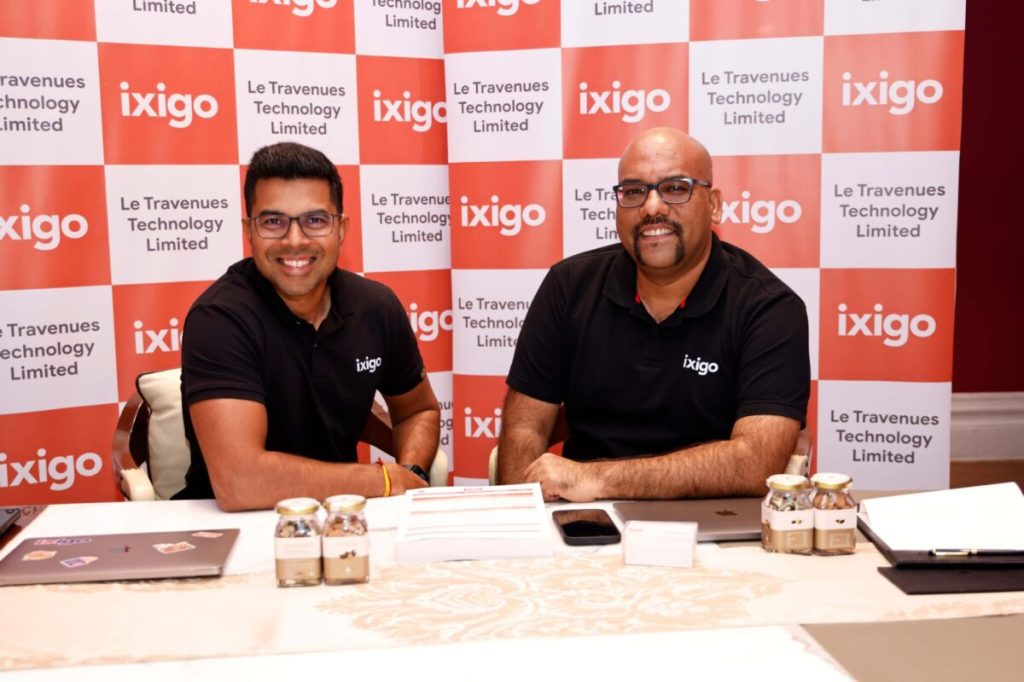
Ixigo is betting big on AI, believing travel apps will soon act like personal assistants. Whether the travel company will be the one to lead that change is still an open question, but it now has the financial muscle to try.
Agoda trimmed jobs in Singapore, Shanghai, and Budapest, but the layoffs aren’t what landed the online travel agency in trouble. The bigger controversy is how the company warned employees not to seek help from authorities or unions, with severance pay on the line if they did.
Two AI assistants. Two of India’s biggest online travel companies. Ten days apart. That’s not coincidence, it’s proof that AI is moving from experiment to core strategy in India’s online travel sector.
MakeMyTrip wants to be a superapp, just adding more offerings to its portfolio will not help it get there. Its Gen AI trip planner is the next big differentiator for the online travel company.