It's unlikely that many airline or hotel guests are waiting on their preferred travel brand for a holiday card; however, it is now in fashion for all companies to send out the warm wishes for both current and potential customers to see.
Dohop is carefully picking its spots: Going all in on the B2B side of the business, targeting the Middle East, and working with low cost carriers on in-app flight bookings. All of that focus and contrarian thinking could work in its favor, although competing against much larger competitors could be as difficult as scaling an Icelandic glacier.
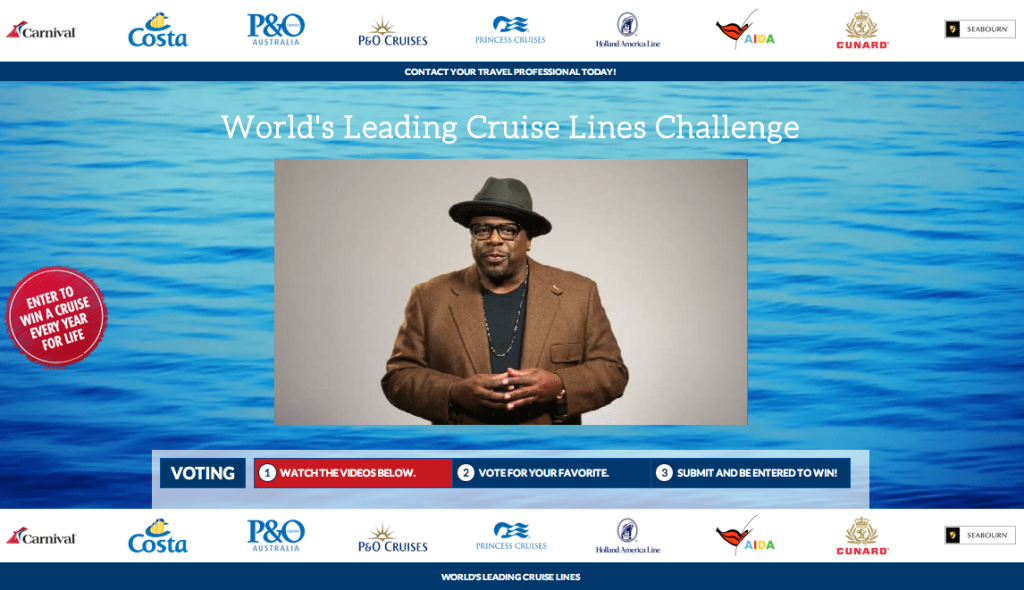
Carnival is investing big dollars in a Super Bowl ad so it's smart to extend its life and impressions with an online component; however, that doesn't mean that either will be enough to significantly shift consumers' perception of the brand.
The new relationship shifts some of the responsibility of informing and educating hosts to Airbnb, which can use its platform to ensure they comply. This is a model that will likely be copied in other markets looking to legitimize the short-term rental economy.
TripAdvisor has worked out some of the kinks in its earlier TV ad campaigns and now is setting its sights on additional advertising in the U.S., France and Australia, and new ads in Brazil and the UK. Big potential market, Brazil.
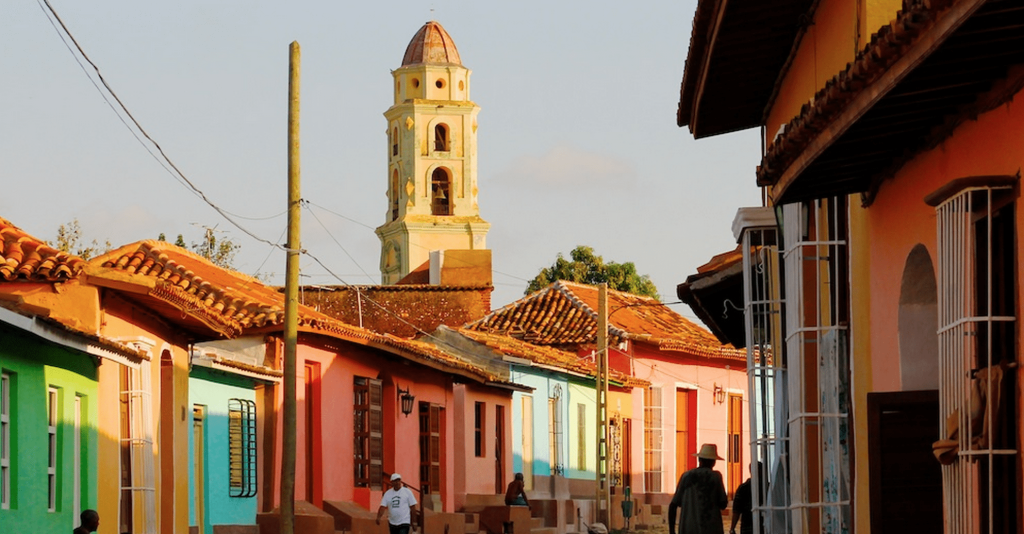
Americans visitors to Cuba saw significant growth in 2014, and an easing of the U.S. travel ban doesn't mean the floodgates will open. No one knows for sure yet how quickly things will progress.
The need to meet LEED certification for every Element Hotel has slowed the development pipeline, but will it pay off in the future as more consumers demand greener accommodations?
Greed may or may not be good, but in travel metasearch complexity is good. New rules in Europe may make searching for a hotel room online all the more difficult.
The very highest spenders may have abandoned Vegas for Macau, but foreign visitor growth paired with on-the-ground developments will keep Vegas on track for more growth.