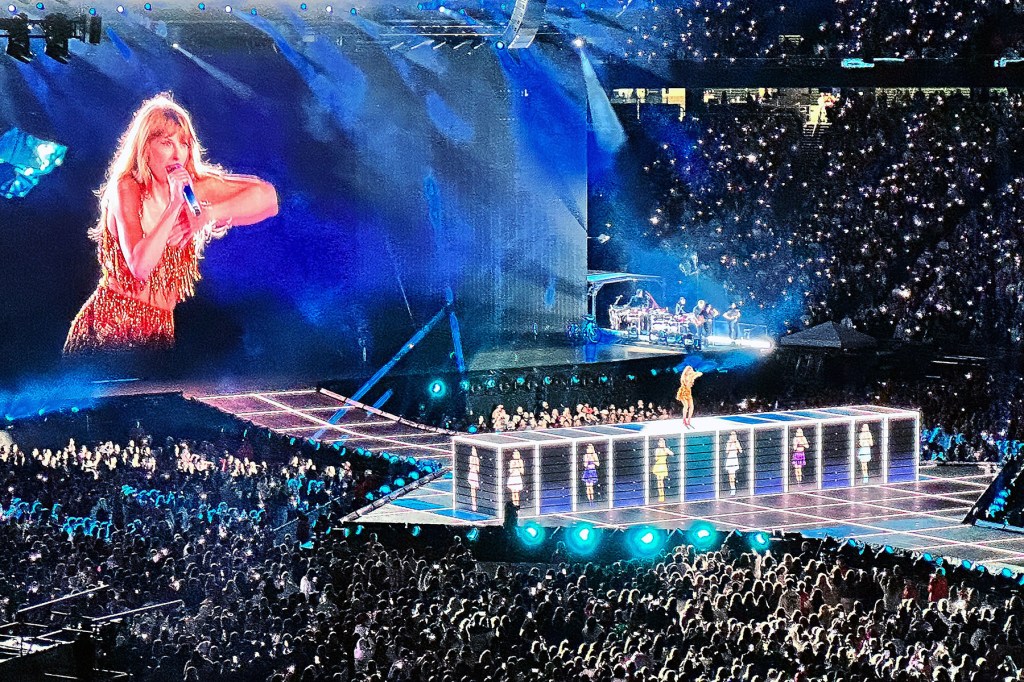
Traveling for music, sports, natural wonders – the experiences we share with others are a powerful force for connecting the world. We call it Live Tourism.
The exploration of quiet beauty of cities in the early morning and the potential of alcohol-free nightlife to create inclusive tourism experiences is immense, tourism boards and experience creators should take notice.
The U.S. travel and tourism industry is falling behind others because the leaders that run it operate in the clouds, while the need is to be on the ground level, day in and day out. Time to change and here's why.
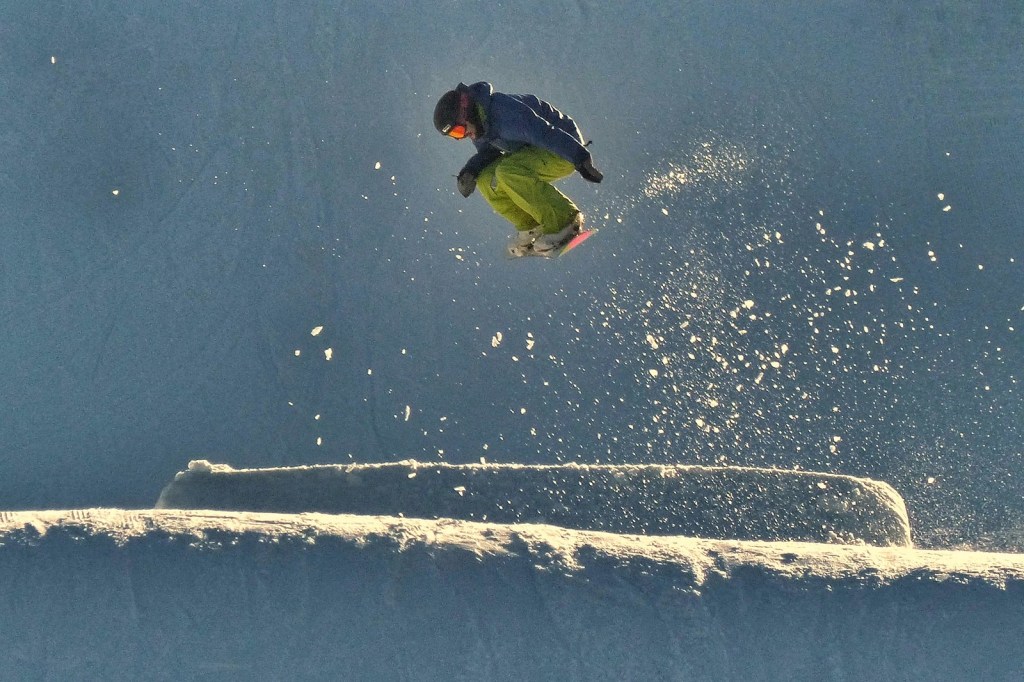
It is fascinating to see what outdoor recreation activities say about American society at large, and how Covid changed some activities for a while, while some reverted back to mean.
The trend toward increased research time reflects a more deliberate and empowered traveler who prioritizes control, trust, and value in their planning process.
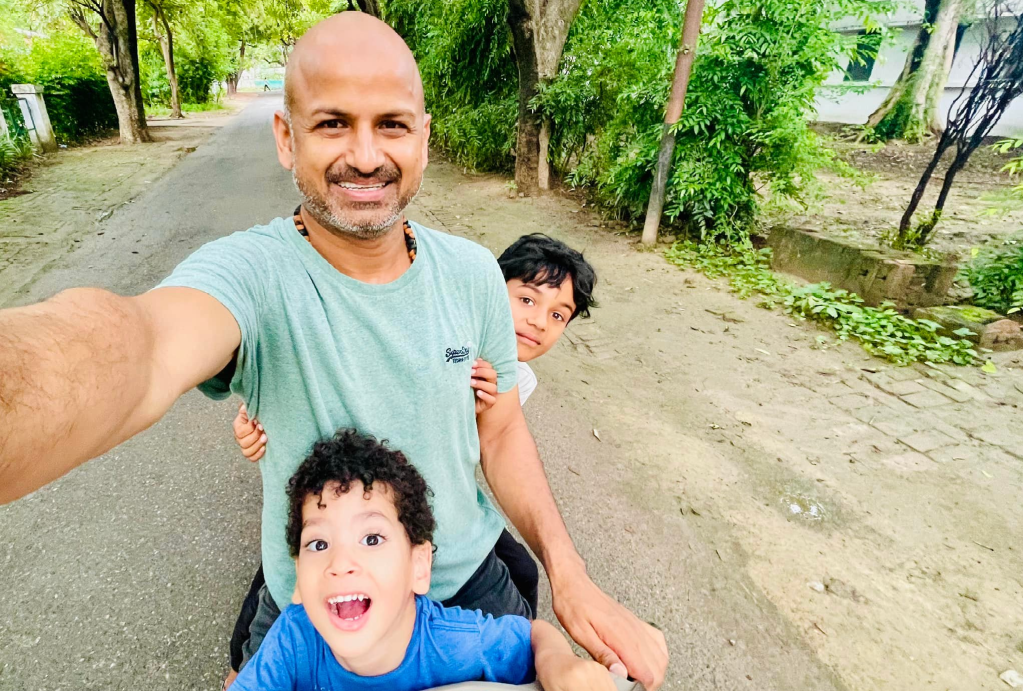
Despite being repeat visitors who often stay longer and spend money locally, VFR travelers are rarely targeted by tourism marketing efforts. In an era of hyper-personalization enabled by AI, there's a significant opportunity to better serve the VFR market.
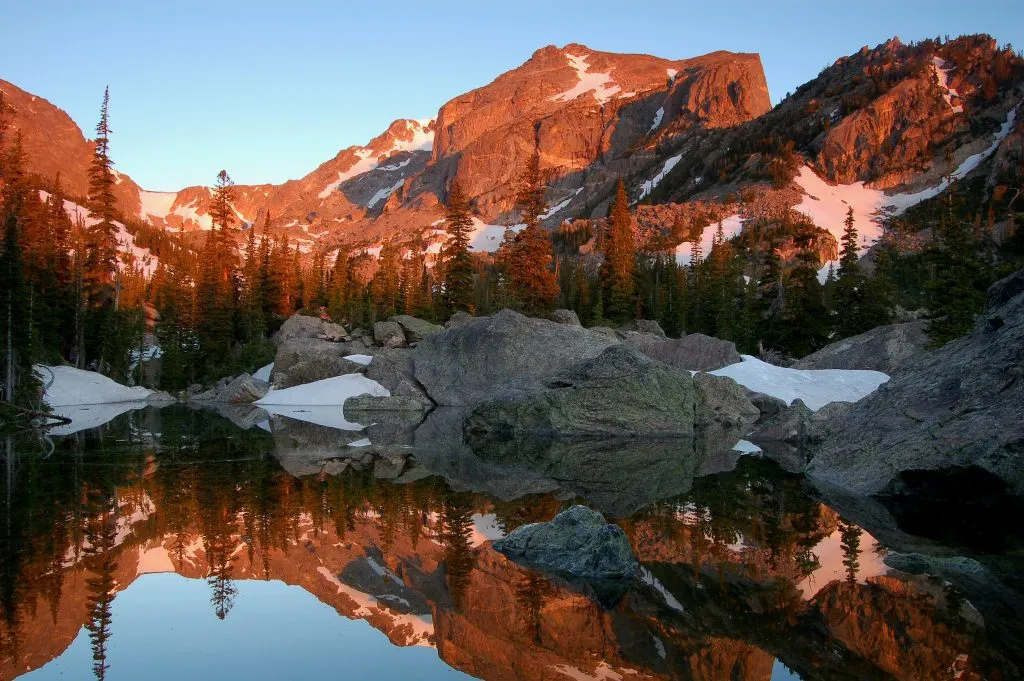
As Americans continue to prioritize outdoor experiences, the opportunity for states to rethink their approach to outdoor recreation remains significant.
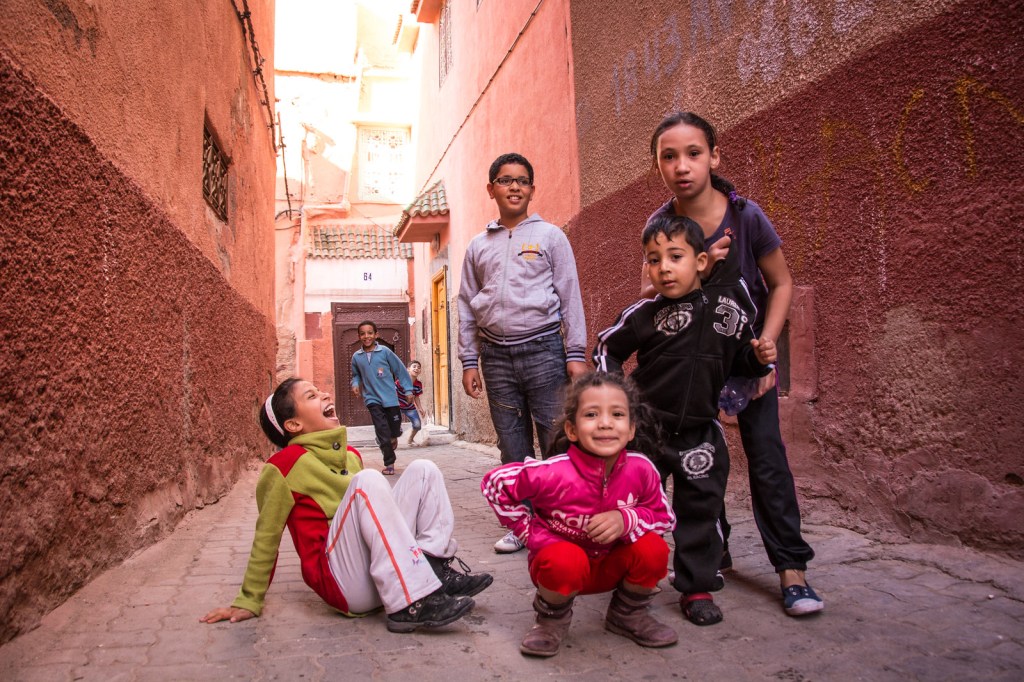
How do we protect these experiences in their authentic non-museumized-non-touristed forms — Fez is already a simulacra — while not being hypocritical about their agency and desire to live a modern life?
By cutting through formalities, nurturing local talents, and broadening focus beyond traditional Western markets, these fast-growing regions can unlock new levels of success and innovation.