
Why Cathay Pacific Wants to Take On Low-Cost Carriers Without Creating Its Own
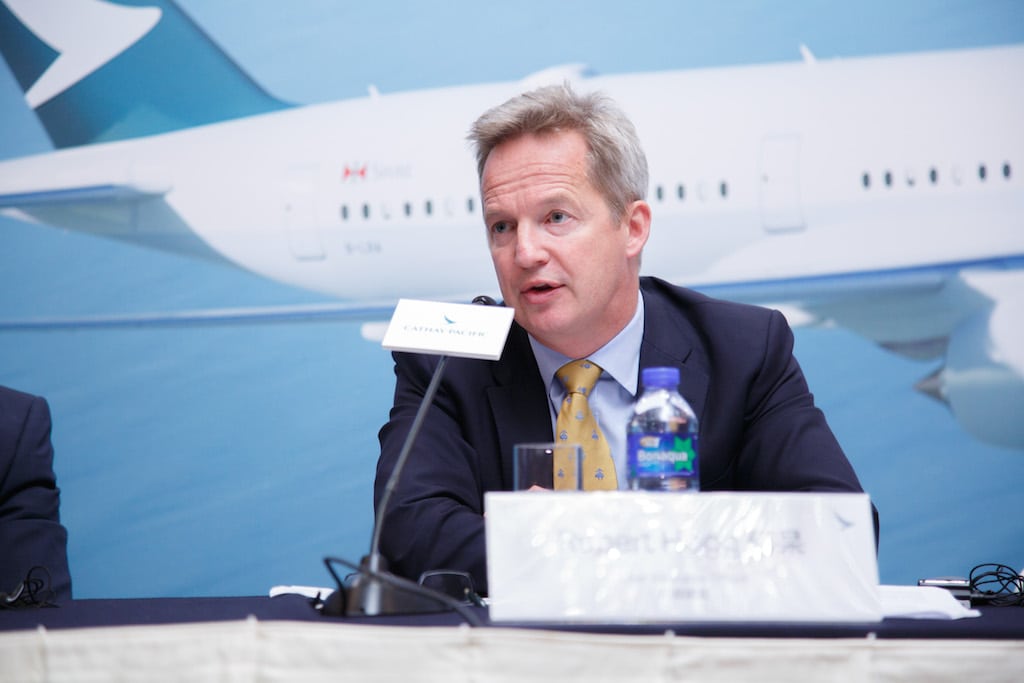
Photo Credit: Cathay Pacific CEO Rupert Hogg is leading a turnaround effort at one of Asia's most venerable carriers. Cathay Pacific
Skift Take
Like many airlines, Cathay Pacific underestimated the digital revolution and the threat of low-cost competition. It is playing catch up, and its recent financial results have not been pretty. But Cathay Pacific has an excellent brand, and it serves a lucrative home market. It should be OK.
Few airlines in the Asia region have such a strong brand as Cathay Pacific, the more than 70-year-old Hong Kong-based carrier known for its onboard service, comfortable seating, and opulent lounges. But in recent years, it has lost some of its luster, both because of poor financial decisions, and an inability to adapt to new customer preferences.
Last year, in the middle of what would become the airline's first back-to-back annual losses in its history, the airline named Rupert Hogg, who joined carrier's parent company in 1986, as chief executive. Hogg is guiding a three-year turnaround program, the airline's first restructuring in two decades, as the carrier cuts staff and delays some aircraft orders.
A little more than a year into the program, Hogg has made some strides, even though Cathay Pacific lost roughly $160 million last year. Still, the company's stock is up 24 percent since October, 2016, and Hogg said he is optimistic the airline can make a profit next year.
This i

