
Proposing Solutions to Overtourism in Popular Destinations: A Skift Framework
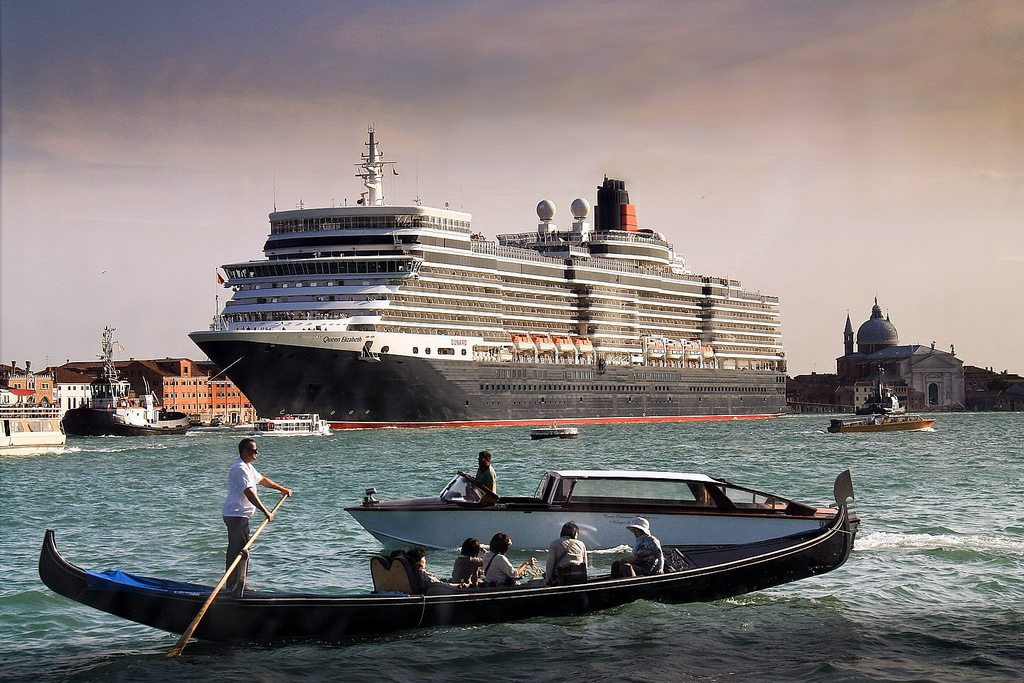
Photo Credit: A cruise ship in Venice. Cities across Europe are struggling to cope with increased tourism. Flickr / bass_nroll
Skift Take
As destinations scramble to reduce the impact of tourism on their citizens, foundational work must still be done to create a repeatable framework and process for preventing overtourism.
The world is in an unprecedented period of tourism growth, and not everyone is happy about it. Arrivals by international tourists have nearly doubled since 2000, with 674 million crossing borders for leisure back then and 1.2 billion doing the same in 2016.
As the travel industry has ramped up its operations around the world, destinations have not been well-equipped to deal with the economic, social, and cultural ramifications. Cities have often made economic growth spurred by traveler spending a priority at the expense of quality of life for locals.
Europe has been perhaps hardest hit by the stress of increased travel and tourism. Barcelona, Venice, and Reykjavik are just some of the cities that have recently been transformed by visitors.
For the last few months, news reports have reflected the truth about the global travel industry: Not enough has been done to limit the negative impact of tourism as it has reached record levels in destinations around the world. Anti-traveler

