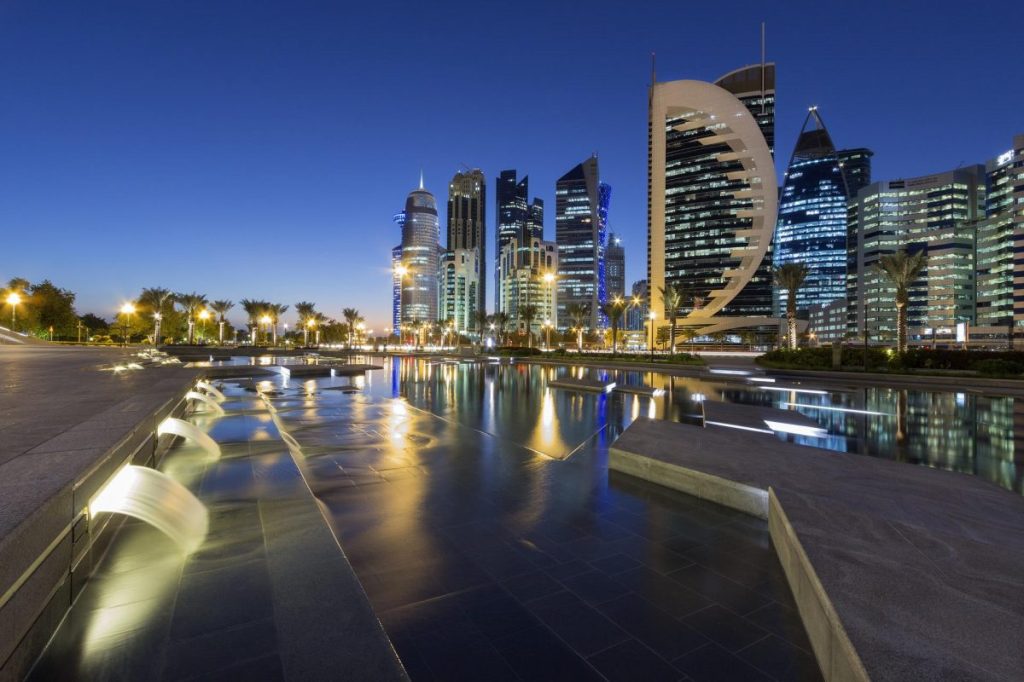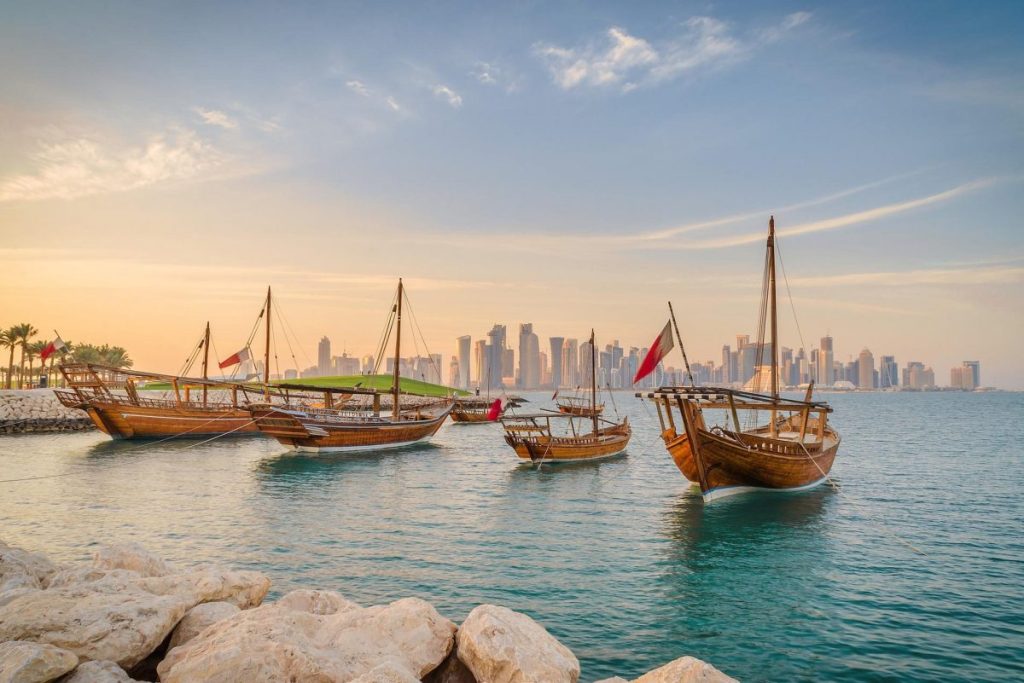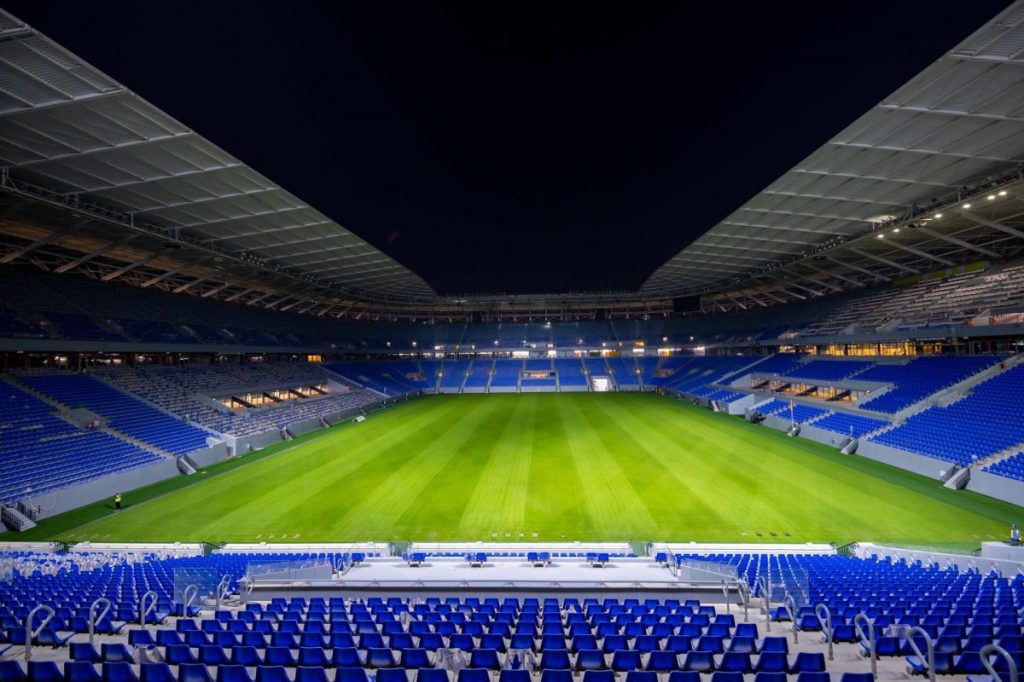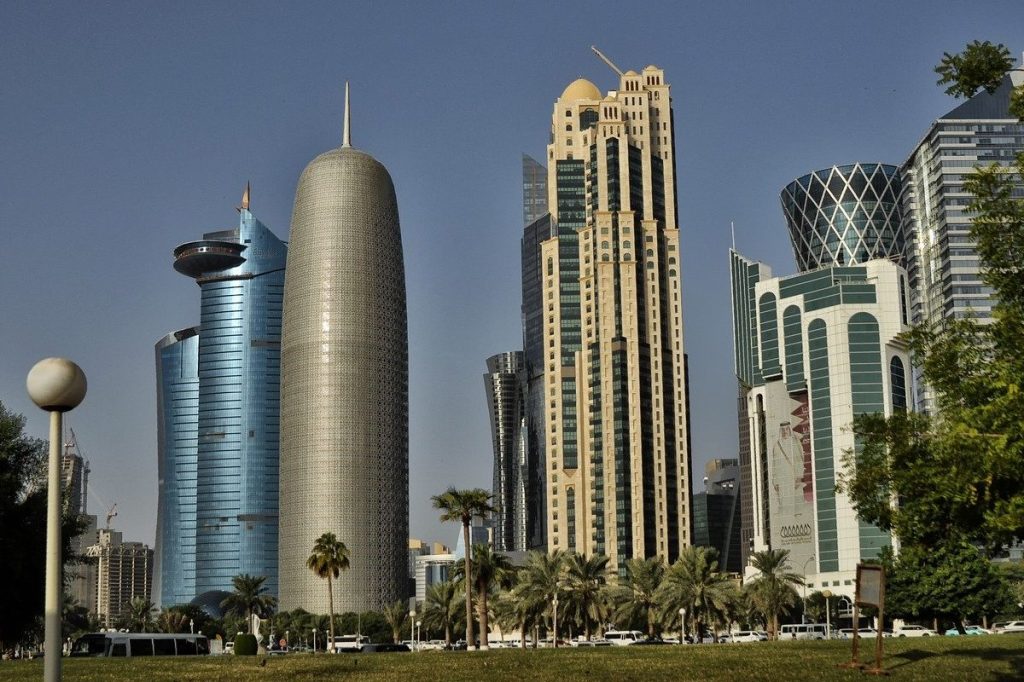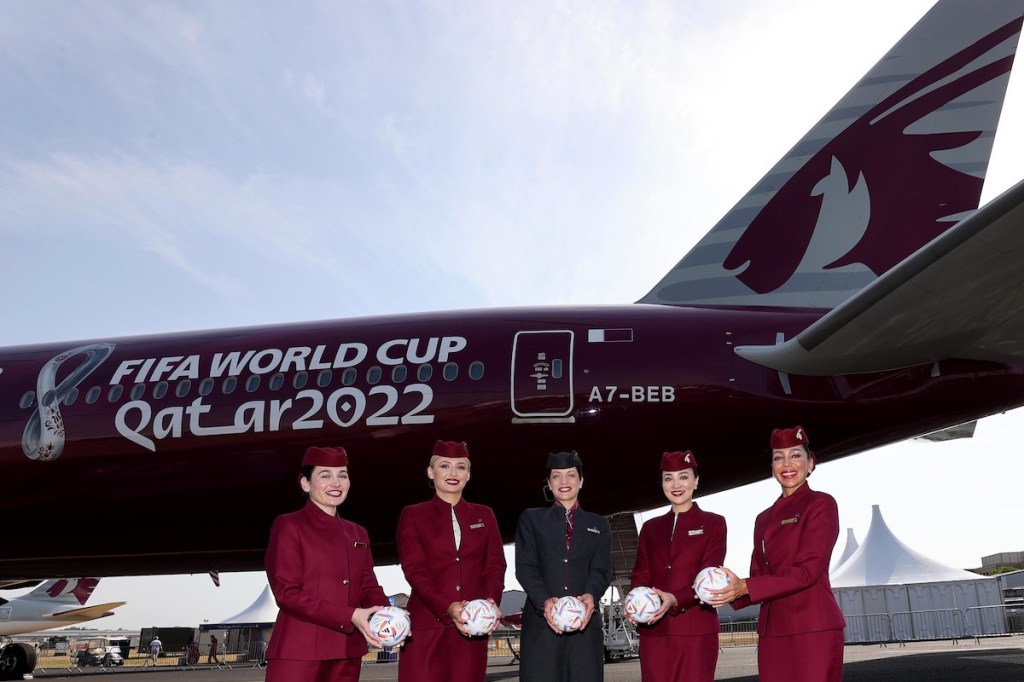
At a time when every destination in the world is throwing its doors open to foreign tourists, accommodation-strapped Qatar may have to deny entry to ticketless tourists when the World Cup kicks off in the country in November.
As football fans from around the world make a beeline to catch their favorite stars in action, Doha becomes the top trending destination. However, being the most geographically-compact World Cup host comes with its own set of challenges.
As it prepares to host Middle East's first-ever FIFA World Cup, Qatar expects the event to offer unique marketing potential to place the destination firmly on the tourism map. But for a country whose pre-Covid arrivals stood at 2.1 million in 2019, a goal of 1.5 million tourists for the two months of the tournament sounds overly ambitious.
Although Qatari tourism officials are projecting a welcoming image for their country, it will take more than one more tournament to prove it. The answer would come with the treatment of LGBTQ visitors later on when Qatar is out of the spotlight.
Travel agencies are busy deploying plans to help Latin American fans pay for flights and lodging for the FIFA World Cup in light of steep exchange rates. Those rabid fútbol fans are topping the global demand lists for tickets.
Who can blame travelers for wanting to sit this World Cup out given all the reasons (some valid) they get from news reports every day? FIFA could also have done more to assure travelers from countries like the U.S. and UK that Russia will have the welcome mat rolled out, at least while the matches are being played.
Brazil has a rare opportunity to learn from two big events separated only by two years, as well as a downturn in the economy. It will provide lessons in tourism development for years to come.
Emirates shows its size and might in every way. If Emirates ever get the naming right to the tournament -- which this being FIFA, entirely possible -- would surely cause a lot of controversy.