Trip.com Group's earnings revealed a major opportunity in China’s underdeveloped inbound tourism market, but the company now faces a familiar risk: an antitrust investigation that could reshape platform economics and growth expectations.
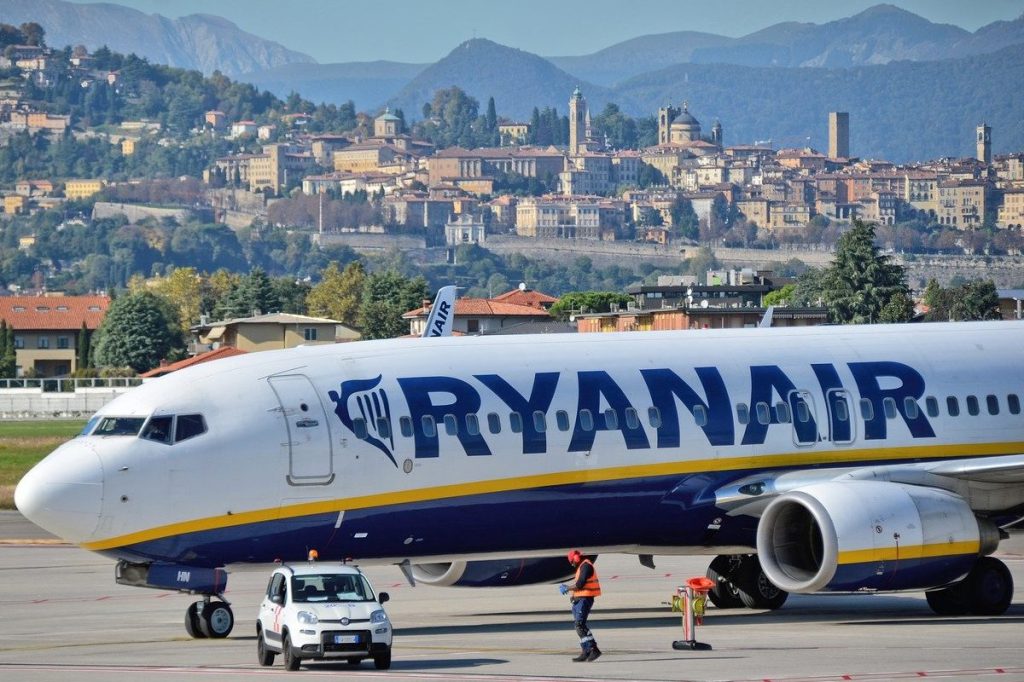
It's great to be an airline like Ryanair: Your market clout is so strong that OTAs are just glad to sell your flights without receiving any other compensation from the airline.
While most travelers are interested in making sustainable choices, only about half actually follow through with more responsible bookings. Industry-wide alignment and AI-driven guidance are becoming increasingly important to close the gap between good intentions and real impact.
The global online travel agency (or OTA) market is experiencing sustained, moderate growth, fueled by resilient international travel demand and rapid digital transformation across all travel sectors. The OTA market, valued at $94 billion in 2024, is projected to reach $107 billion by 2026, growing at a steady rate of 7%.
As Trip.com further expands into Europe and North America, the company is leveraging learnings from its work in the Asia-Pacific region. Road-tested strategies around customer service, localization, partnerships, and industry collaboration are propelling Asia’s leading travel service provider into its next era.
Events are increasingly becoming the starting point for a trip rather than an add-on. That shift is reshaping how online travel agencies pull event tickets into the main booking flow instead of keeping them on the sidelines.
Chinese travelers are going longer, farther, and a little off-script. Trip.com’s “3 Ls” may sound like marketing code, but it's clear that long-haul is back, and Europe’s cashing in.