Once millennials start making money, they're willing to spend to receive personalized treatment from a travel agent. They're also tired of the hassle of do-it-yourself online travel booking.
It remains to be seen how much of the future of travel booking will be based around mobile messaging and service. But it does seem reasonable to expect a hybrid of traditional personal service and digital do-it-yourself accessibility to appeal to many travelers going forward.
English envisions a travel booking experience where users can simply talk to their phone and have the perfect trip planned for them. Questions remain, however, about how exactly Lola's technology will enable customer service professionals to become indistinguishable from experienced travel agents.
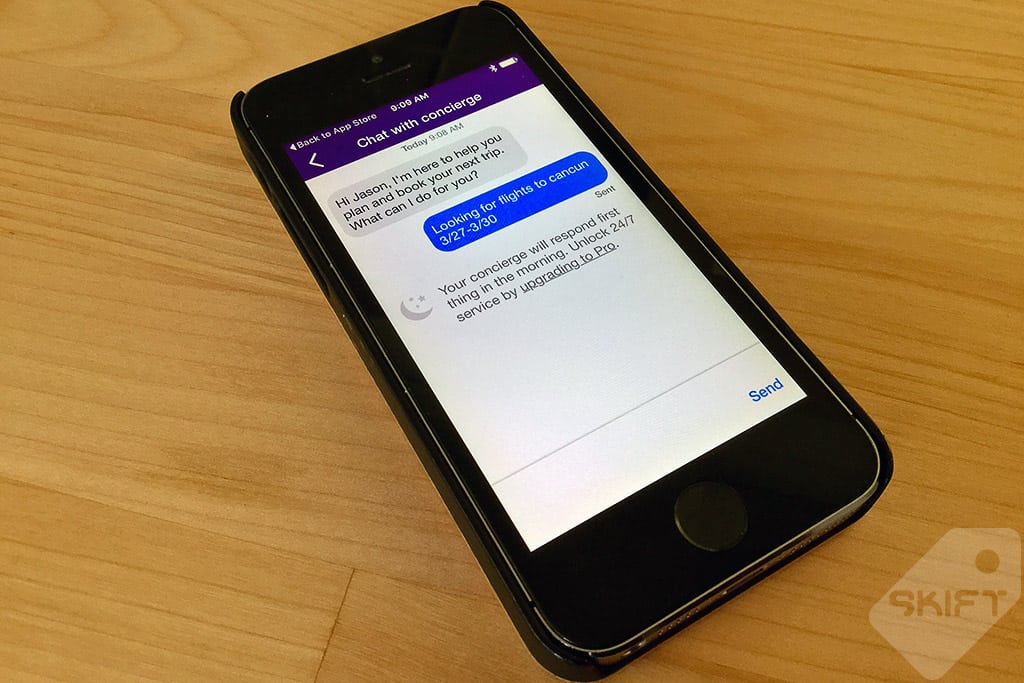
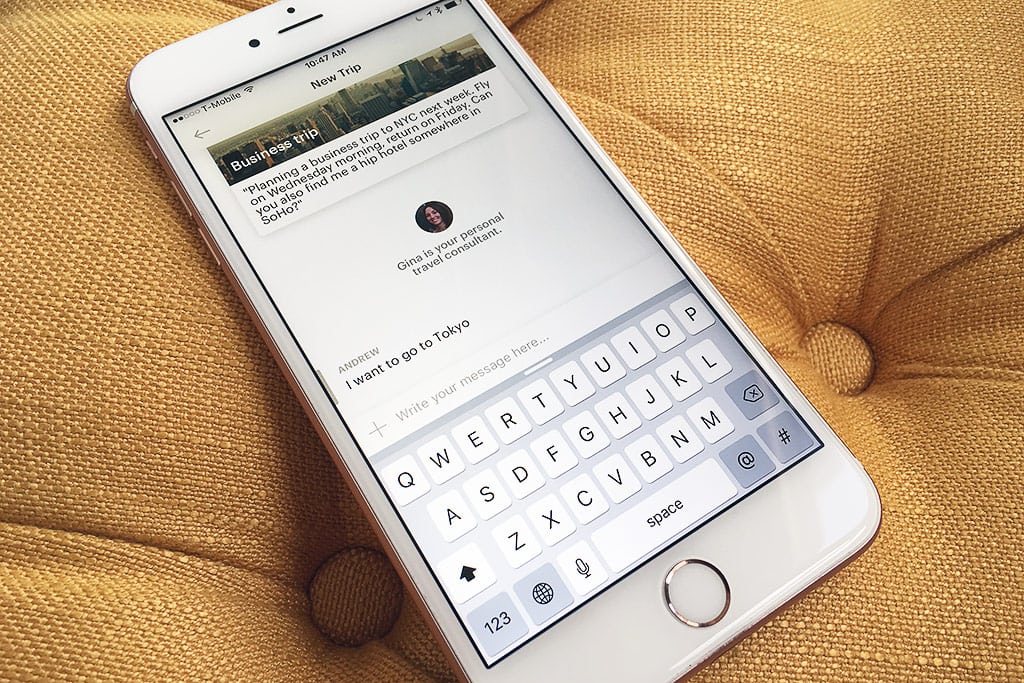
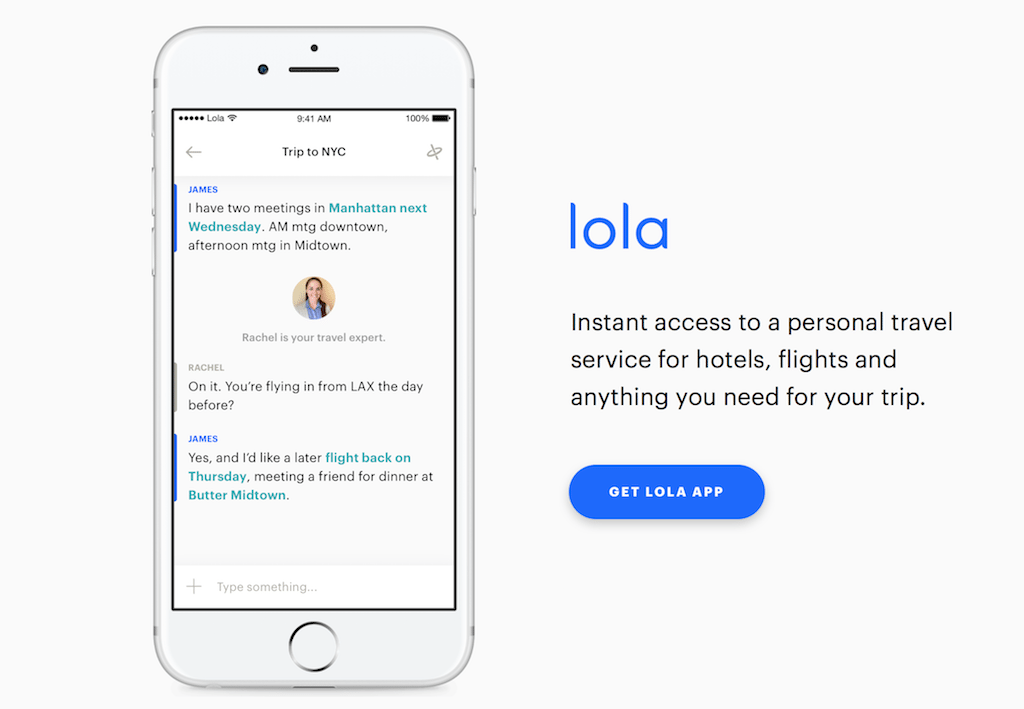
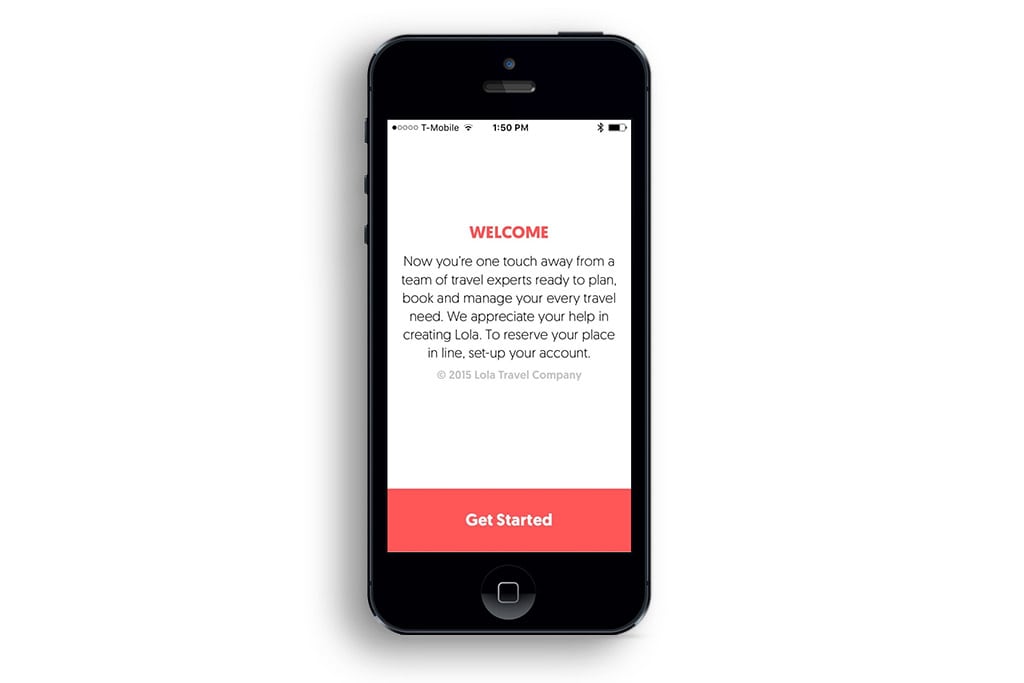
Lola wants to use mobile messaging, and an artificial intelligence system that learns traveler preferences, to reinvent how consumers book travel using a travel agent. Everyone else wants to cut travel agents out. Lola wants to deal them in.
Travel industry experts and analysts are hailing the rise of a “conversational commerce” based on the increasing appeal of messaging technology. The applications range from customer relations and marketing to travel operations — and they loom large for travel brands, agencies, and startups seeking to capture travelers’ bookings in the mobile space.
Although his company has made it a mission to tell customers to book direct, Hilton CEO Christopher Nassetta knows he can't afford to overlook other distribution channels, including online travel agencies and travel agents.
Still-unproven Lola, the travel startup, has some online travel heavy hitters as co-founders, investors and board members. If the premise to involve human travel agents in trip-planning doesn't work out then the team can always pivot toward something else.
Agents said late last year they were expecting big growth in the Caribbean, but it remains to be seen if the recent spread of the Zika virus in the region will have an impact.