Rental car companies admit prices are increasing, mostly due to heavier city taxes, but the flexibility and independence they afford travelers continues to drive business despite higher costs.
Although valued at nearly half of Uber, Hailo has been thoroughly preparing for a full-throttle launch in 2013 by building a rapport with drivers and securing this second round of funding.
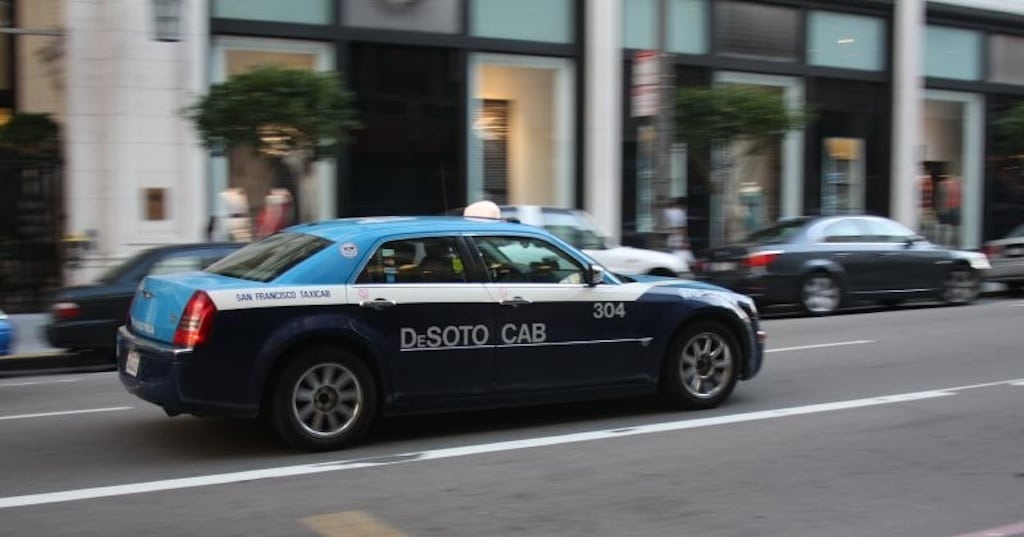
The taxi hailing/ridesharing legislation revolution is spreading from D.C. to New York and now back to where it all began. San Francisco will likely change the rules to allow for the new companies or institute a trial run like in New York.
The more old school service that involves actually picking up the phone might appeal to less techy drivers and legislators, but its name could easily be forgotten without a cloud of controversy following its growth.
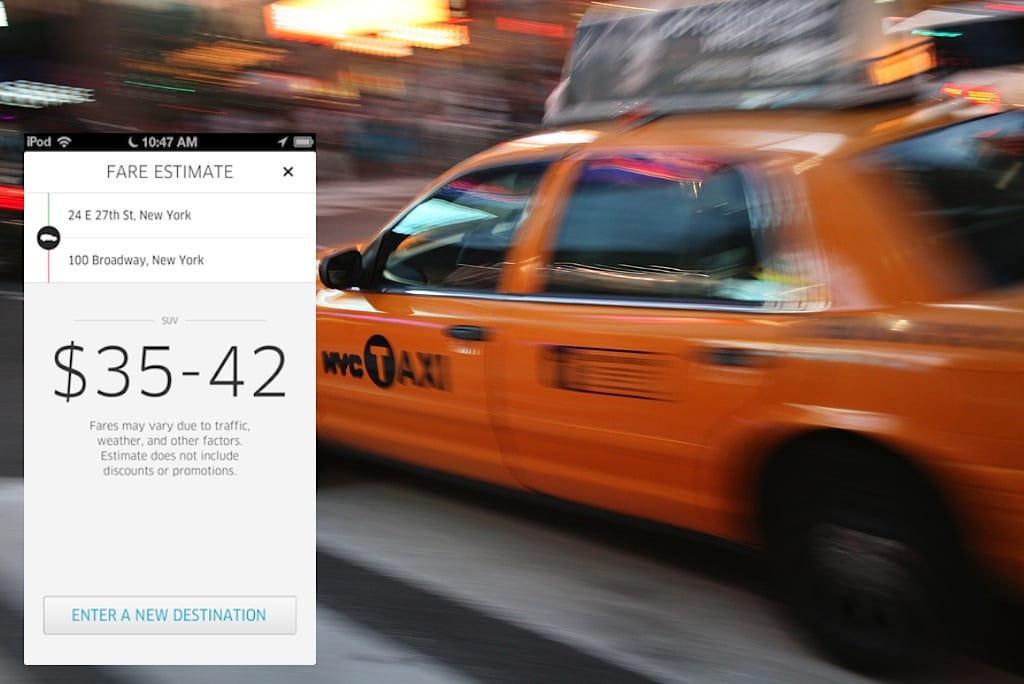
The trial period will allow the TLC and app developers to work out kinks, but as one commissioner noted: "This trial period is like a marriage -- it's a lot easier to get into than out of."
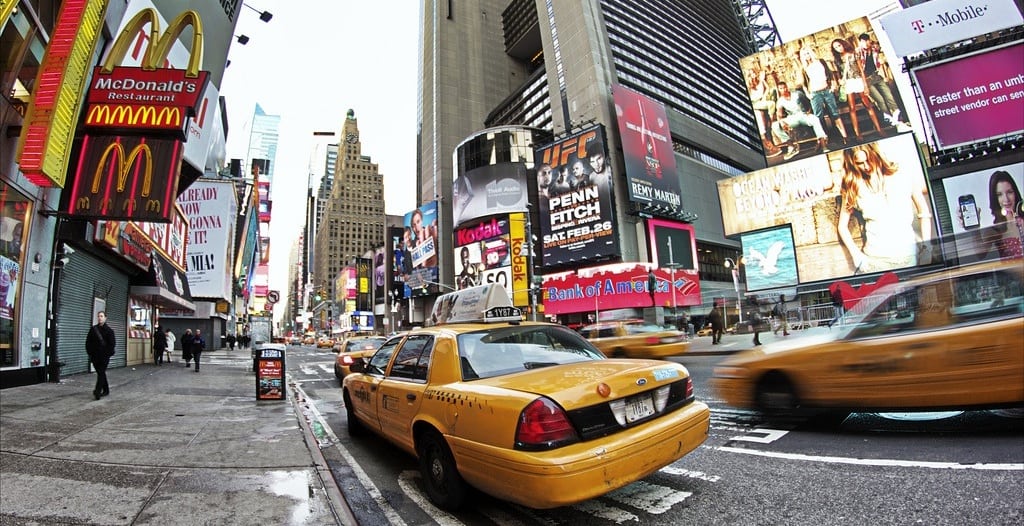
Since New York City has one of the best, most well-regulated taxi fleets in world other cities will likely watch what happens today for guidance on their own rules.
It is inevitable that these mobile cab hailing and scheduling apps will become the norm, but the process to reach there has to be followed, instead of the bluster approach that a brash and heavily funded startup like Uber loves.
Being a taxi driver in a city that stakes its reputation on debauchery isn't easy, but the current state of New Orleans' taxi services don't make anyone happy.