Airlines are betting that they can hold onto their pricing power even as the price of fuel decreases due to strong demand and fewer competitors in the industry.
After a frenzy of speculation about airline M&A, talks have dried up. The industry is too consolidated for the big carriers to merge, and the smaller ones don't have viable partners.
In just the span of two months fuel costs are up more than double since the start of the Iran war, according to new data from the Department of Transportation.
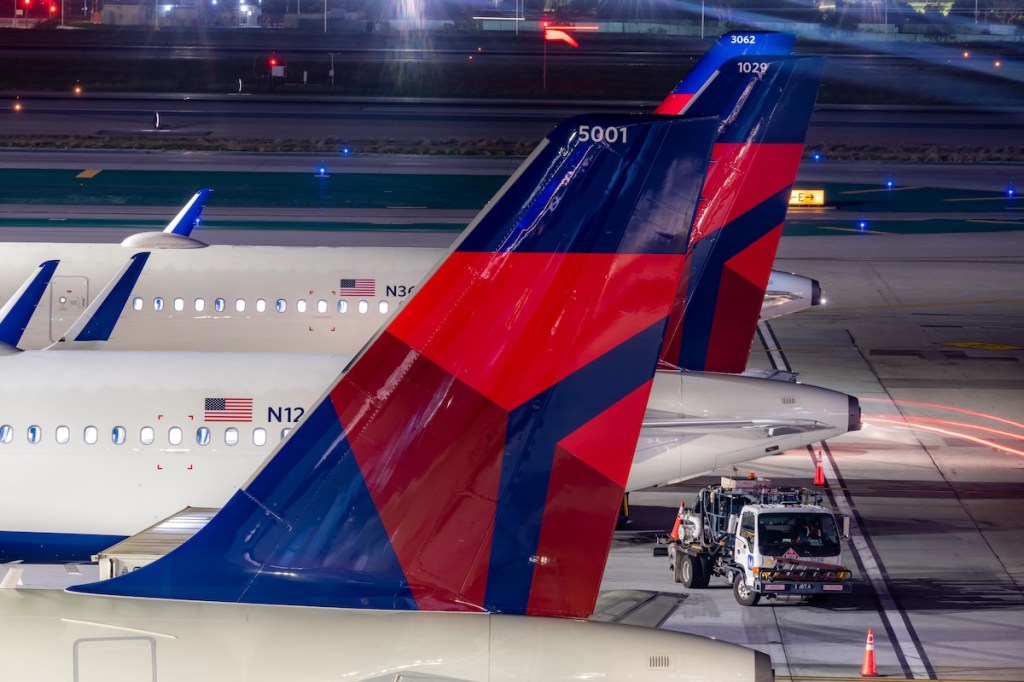
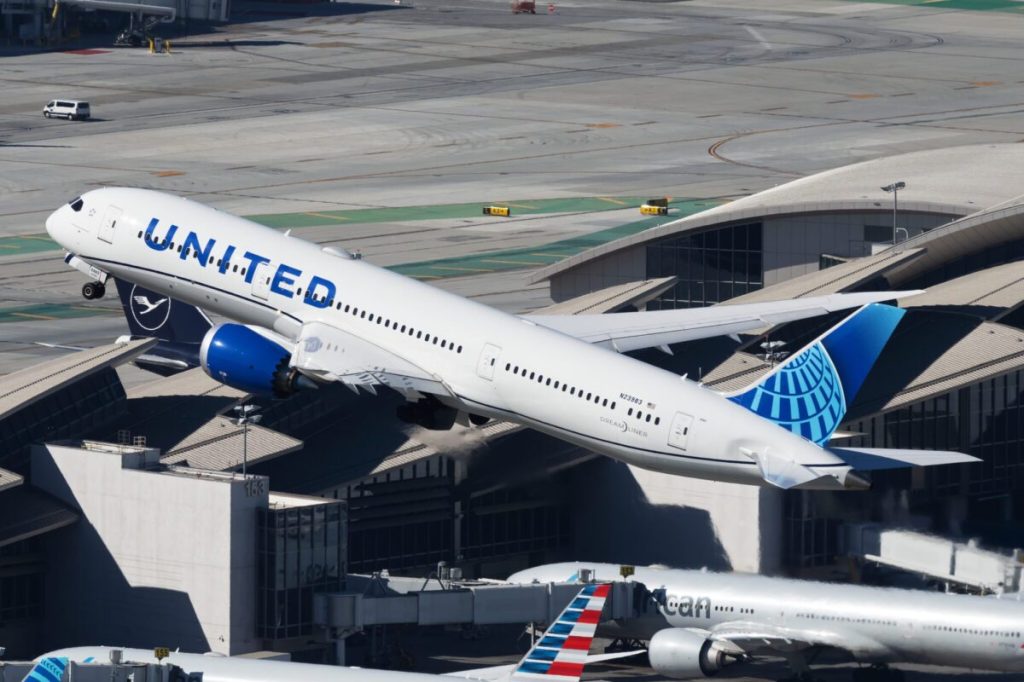
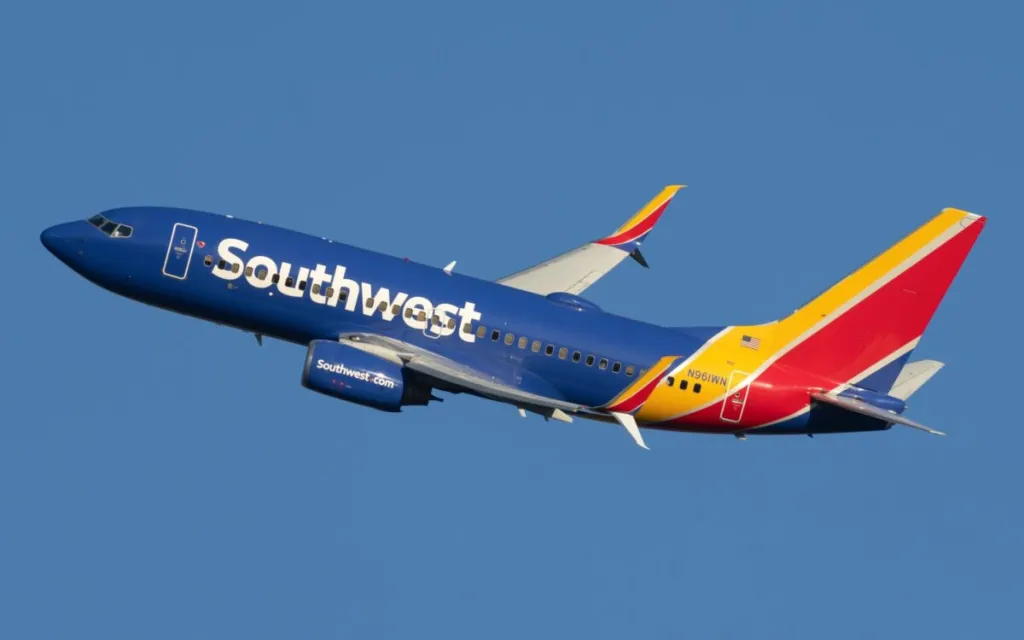
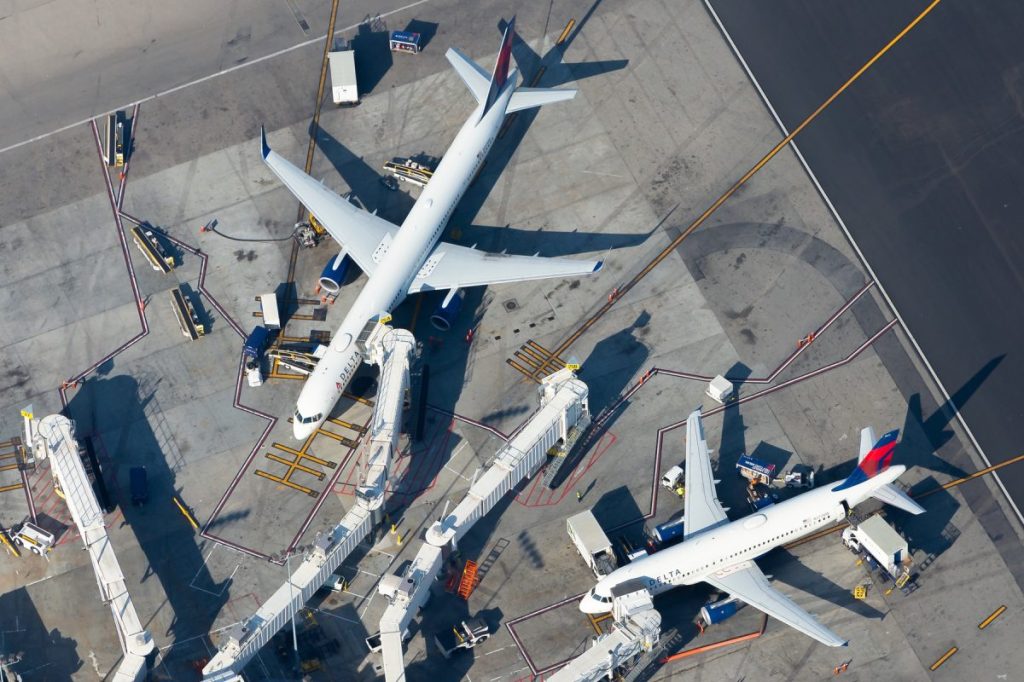
Major U.S. airlines are each responding differently to surging fuel costs, with some like Southwest and Delta opting not to change their profit outlooks for the year. United and Alaska, on the other hand, have either revised or pulled back guidance.
As Delta is set to report first-quarter earnings on Wednesday, concerns about high fuel prices have taken center stage. With the current pace of the fuel price increases, it appears that most airlines might not be able to eke out a profit this year.
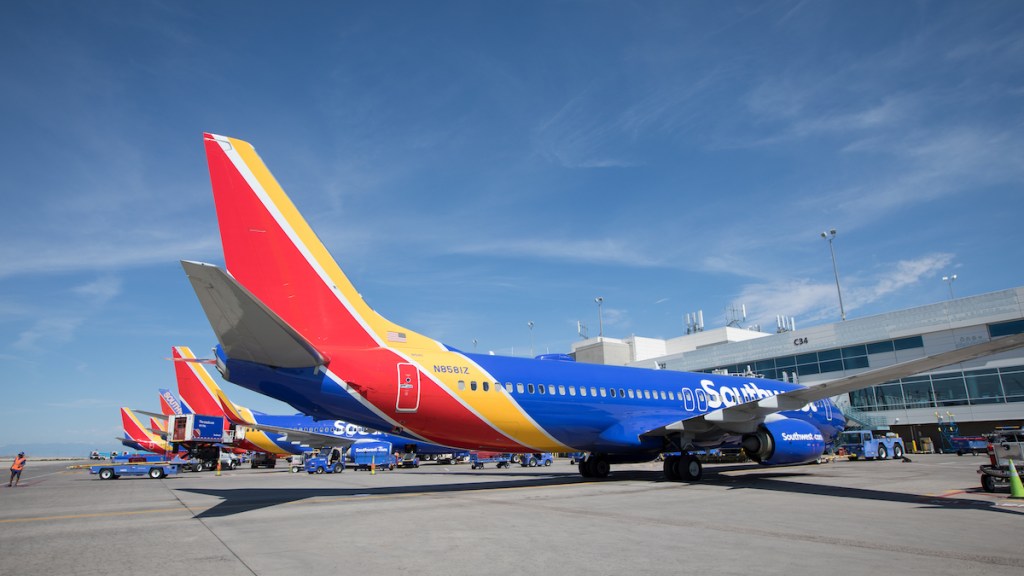
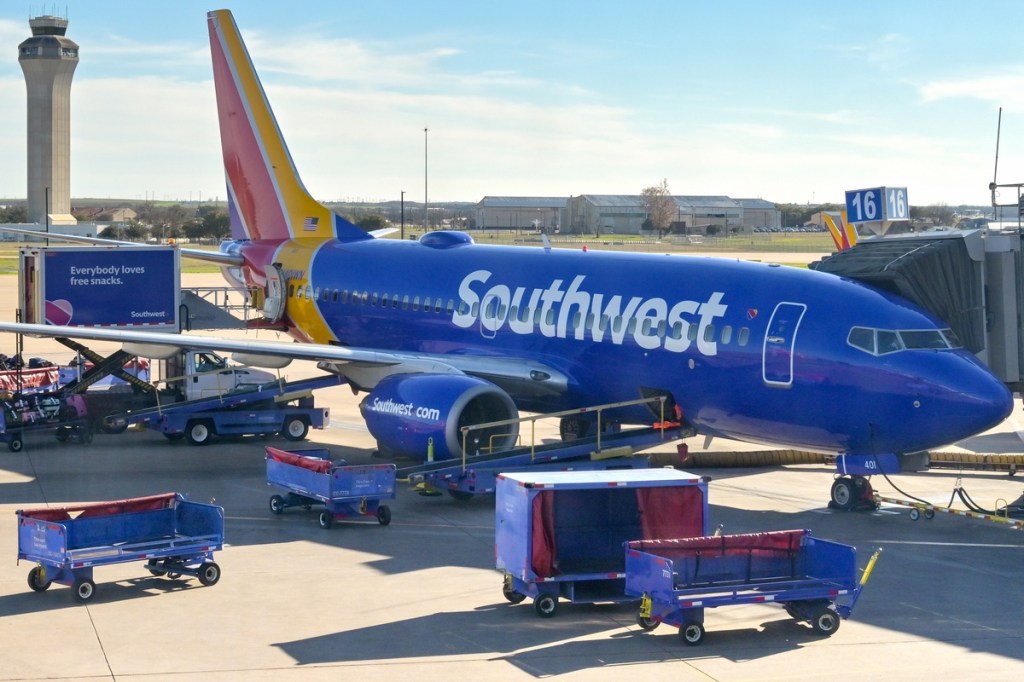
Southwest is starting to look a lot like other airlines after decades of going its own way. There will be bumps and some loyal passengers will gripe. None of that will matter if it delivers on its profit goals.
Southwest is banning the use of wearable technology such as AI-powered smart glasses in the workplace. Sales of Meta’s smart glasses tripled over the last year.
Expect disruptions to linger: For Tuesday, there were already 1,850 cancellations, and nearly half the flights out of LaGuardia, JFK, Newark, and Boston are canceled.