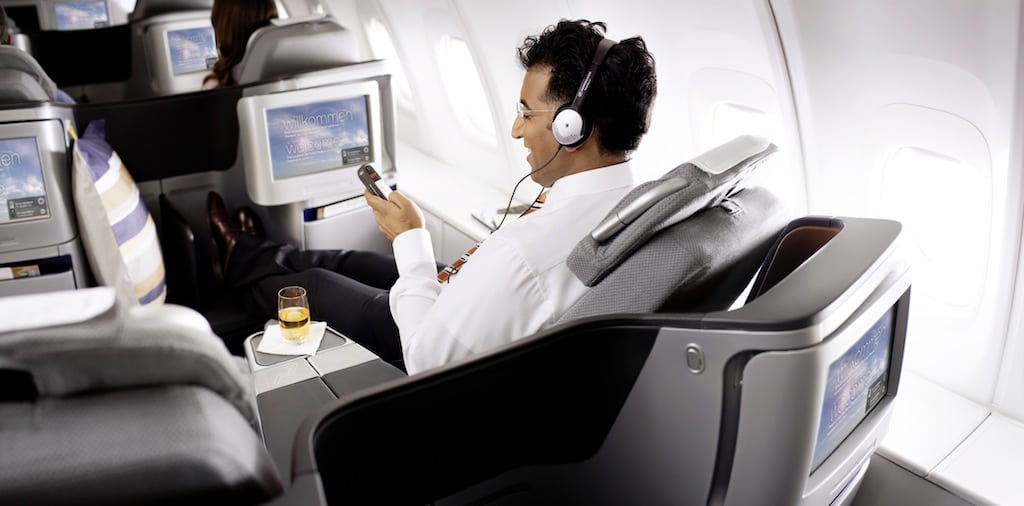
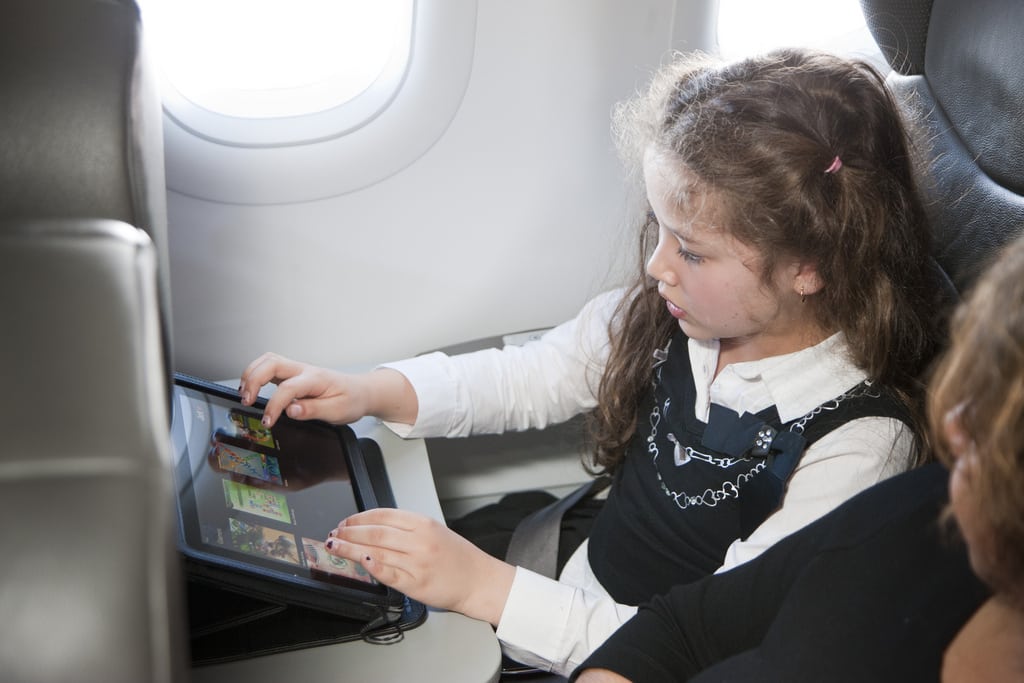
Some of these survey findings are self-serving on part of APEX and CEA, who want the current in-flight digital device rules to be changed for more usage. For us, only 4-in-10 passengers wanting these rules to be changed is interesting, and needs some deeper digging on consumer attitudes.
Most of the AR efforts, especially in travel as listed here, have bordered on gimmicks for the sake of it, without any considerations of real-life user experience. Will Google Glass break through that AR barrier?
The nitty-gritty details of the report is an interesting look at the prevalence of Internet cafés today, but it’s main findings further prove the importance of travel content and booking functions becoming mobile-friendly to remain relevant.
The ruling would restrict flight crews’ use of mobile devices beyond critical points of flight departure and landing, but would prove difficult to enforce with crews 30,000 feet above the regulators.
For the person in the middle seat trying to forget about his cramped predicament with no Kindle to distract him, July 31is a long way away. Let's hope the FAA will act decisively, clearly, and quickly following the report's submission.
Although digital check-ins may one day be in the lobby of most urban hotels, the same mentality of ‘get in, get out’ doesn’t apply to boutique or vacation properties where guests look forward to that personalized service.
When LAX exceeds expectations for this "multi-sensory media experience," it may get passengers to turn off their personal downloads and engage with something besides the free Wi-Fi.
It's only a matter of time before the FAA approves the use of electronic devices on flights, and it's a positive development that the FCC is cheering on the move.
GateGuru's challenge will be to figure out how it can continue to offer the features that its user base loves while finding a way to either increase engagement when the user isn't at the airport (like its rivals at TripIt), or make more money from them when they are.