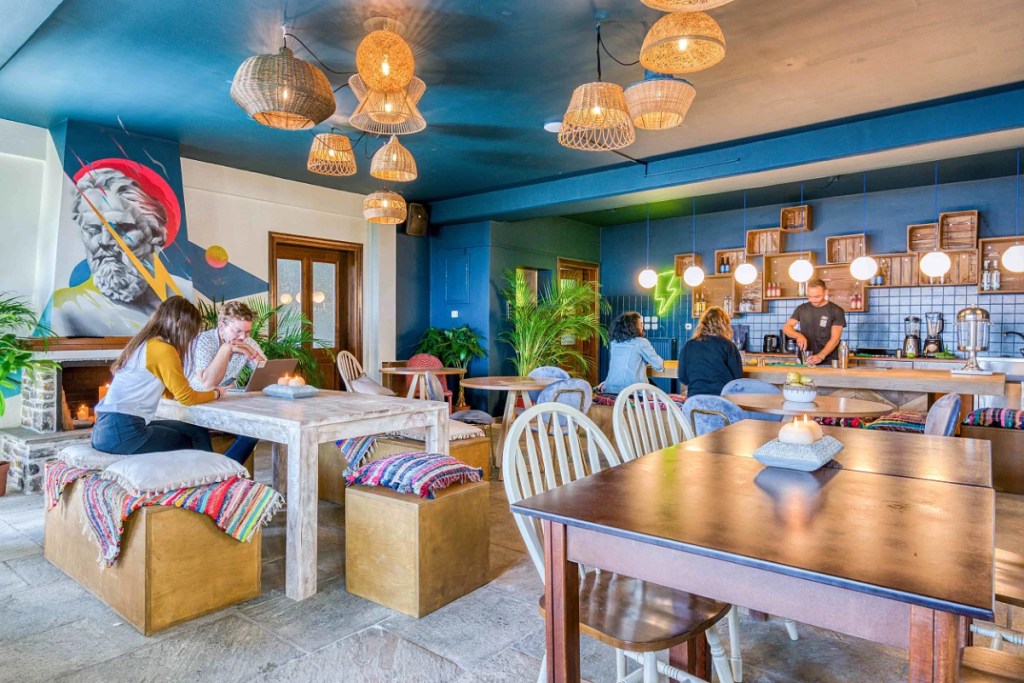
Selina's launch of a loyalty card will be eyed by other emerging brands in travel lodging. Its choices in marketing the card to early-career travelers will be watched by all hoteliers coveting that segment.
Politicians writing the new rules for the remote work economy need big industry names onboard. Hopefully they'll be able to cut through Brussels' characteristic bureaucracy and define something meaningful.
Before going public, Selina has offered a 63-page investor deck, touting its brilliance. But can the hospitality startup scale? We dig into the data and the premises behind the pitch to weigh the risks.
Kudos to Rafael Museri and Daniel Rudasevski who co-founded Selina in 2015 and brought the company to this point. But investors face a tricky decision about how to value this startup compared to traditional lodging groups.
The message for the travel industry is clear: Engage with company travel managers, understand their organization's culture and DNA, and help them redefine what business travel means after the pandemic.
It's not just about the remote work potential for businesses — it's also about spending more on "company culture" by investing in in-person staff meetings and events, and focusing on establishing relationships. That's why the future of the hybrid hospitality model appears to be bright.