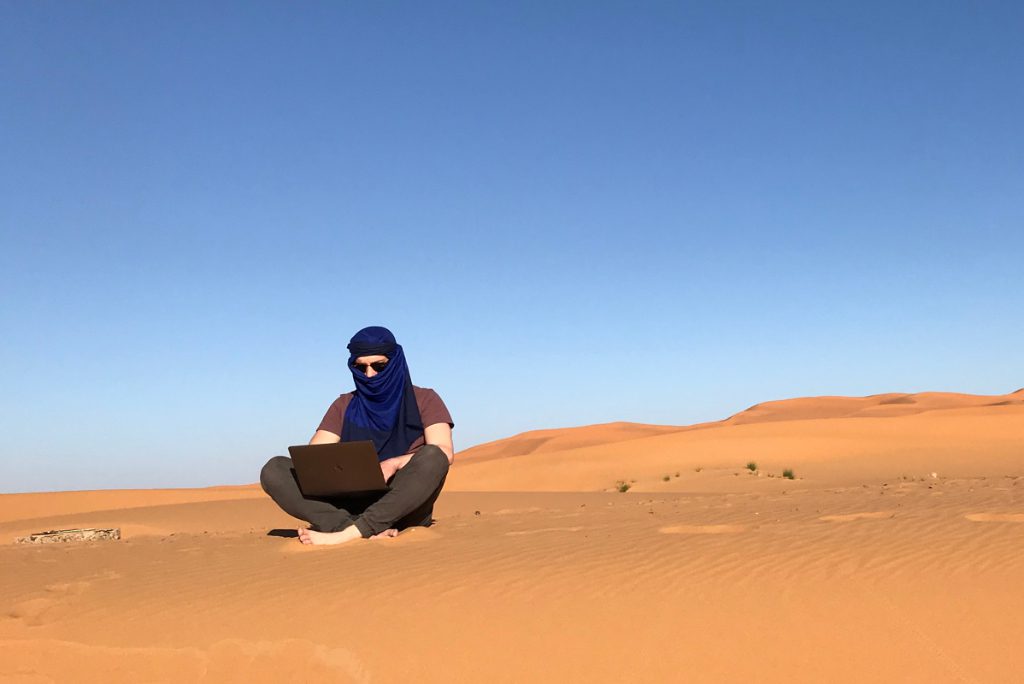
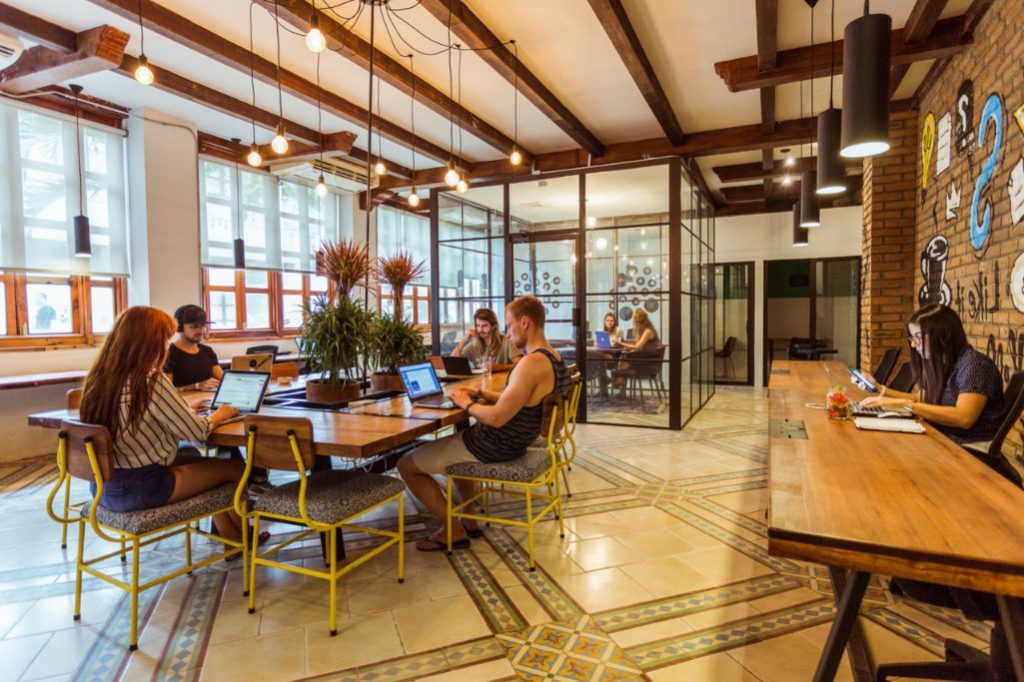
"There are decades where nothing happens, and there are weeks where decades happen," Lenin once said. That seems true for the concept of remote working. Decades of talk about a revolution in remote working suddenly became a global experiment. So how will Remote Year adapt for workers hopscotching destinations?
In Skift's top travel stories this week, we covered the Airbnb IPO from every angle. There were other stories, too, including Google launching new tools for destinations and hotels, a road warrior who's flown three dozen times since September, a property manager picking up Stay Alfred scraps.
This deal between the lodging brand and the co-working program could not have come at a better time. Selina has the real estate that Remote Year needed to be cost-effective, and Remote Year has the digital nomads Selina could use to drive its growth.
Selina grew up in a time when private market investors were willing to fund millions in early losses. Money papered over missteps. But managers now face an era that requires strict management discipline. Can it adapt?
Selina is riding a wave of venture capital investment like a dreadlocked surfer with remarkable poise. Come to Skift Forum Europe to hear CEO Rafael Museri explain how his startup may capsize the traditional hospitality model.
"Everything is converging in hospitality," according to one Skift 2019 Megatrend. Selina embodies this Megatrend perfectly in how it pushes the bounds of co-living and co-working. But the company needs to execute its plans on time or else business partners will lose faith.
Until recently, Selina has been a glorified hostel operator. Its ambition to provide work-life balance to millennials who travel internationally has been more of a work-in-progress than a consistent offering. Yet massive fresh funding this year will help drive Selina to become one of 2019's most fascinating experiments in hospitality.