The list of companies taking a stand has grown considerably since Russia invaded Ukraine nearly three weeks ago. Here's our latest recap of travel's pullback from Russia.
Although several hotel executives don't view the war in Ukraine as a drag on European hotel performance at the moment, their tune could change if the conflict continues to makes travel to Europe more difficult.
Google Travel turned off Russia advertisers, but is still getting a limited amount of advertising for Russia travel from ad partners outside Russia. In contrast, Skyscanner and Kayak don't display any information about Russia travel.
There seems to be an obligation to carry on working with partners in the country, but relationships may now be kept at arm’s length as the war in Ukraine continues.
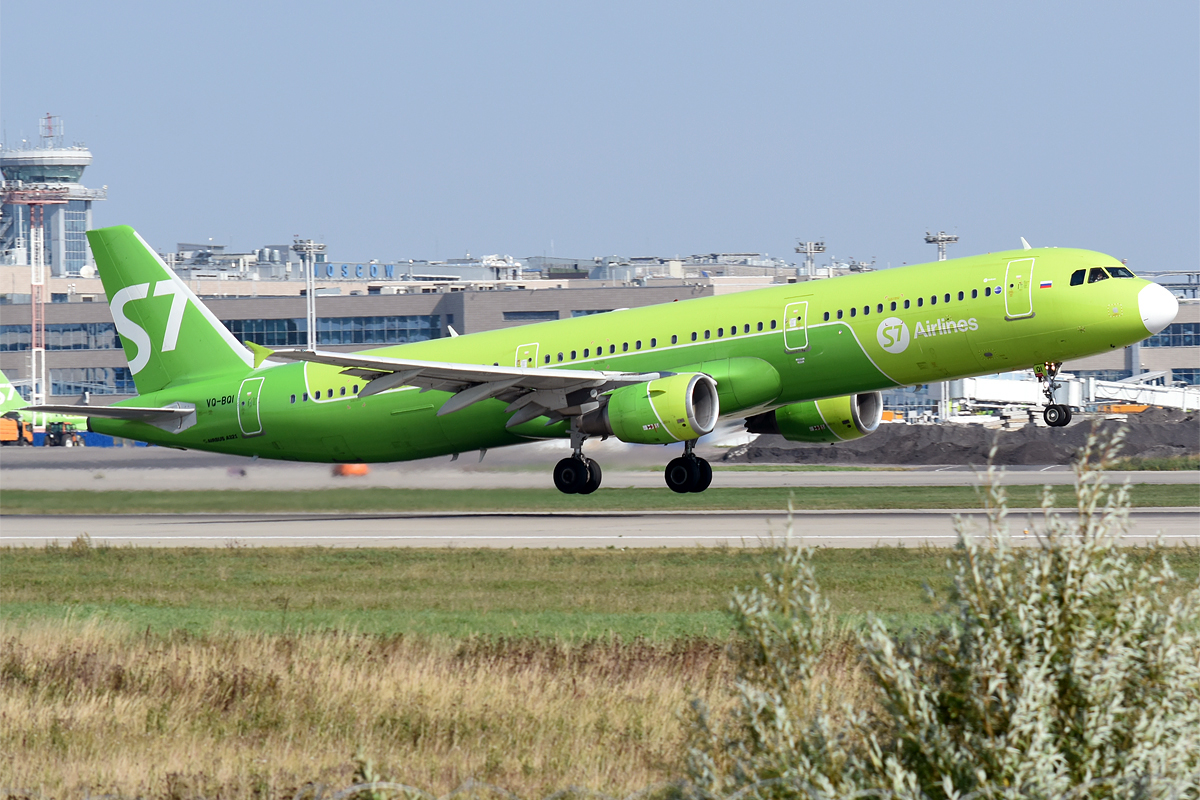
Russia has moved to block foreign leasing companies from repossessing their aircraft in the country. More than half of the commercial airplanes in Russia are owned by Western lessors, and the lessors have until March 28 to comply with sanctions and repossess those airplanes. But Russia's move to essentially commandeer those aircraft is a violation of international law and could cost lessors billions of dollars.
While the event industry’s reaction to the crisis in Ukraine has varied — ranging from statements of support to direct offers of employment for those affected — few global events have triggered this level of solidarity. Meanwhile, figuring out how and who to exclude in terms of Russian participation from events is proving difficult.
Global travel management companies are navigating new travel restrictions that include combat zones and closed airports as they organize emergency evacuations in Ukraine and beyond.