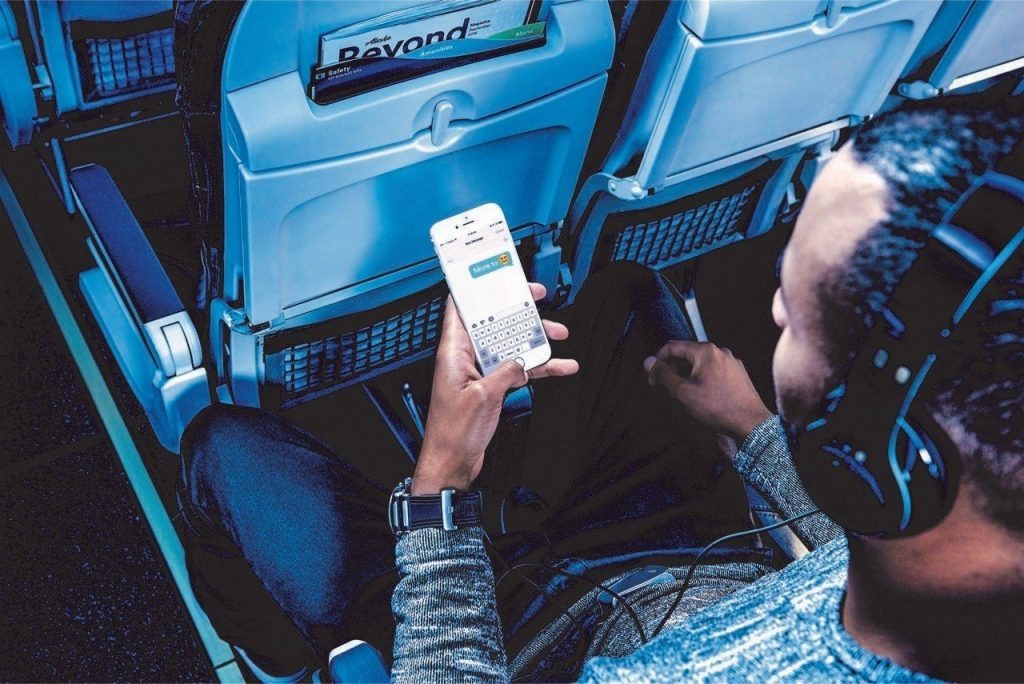
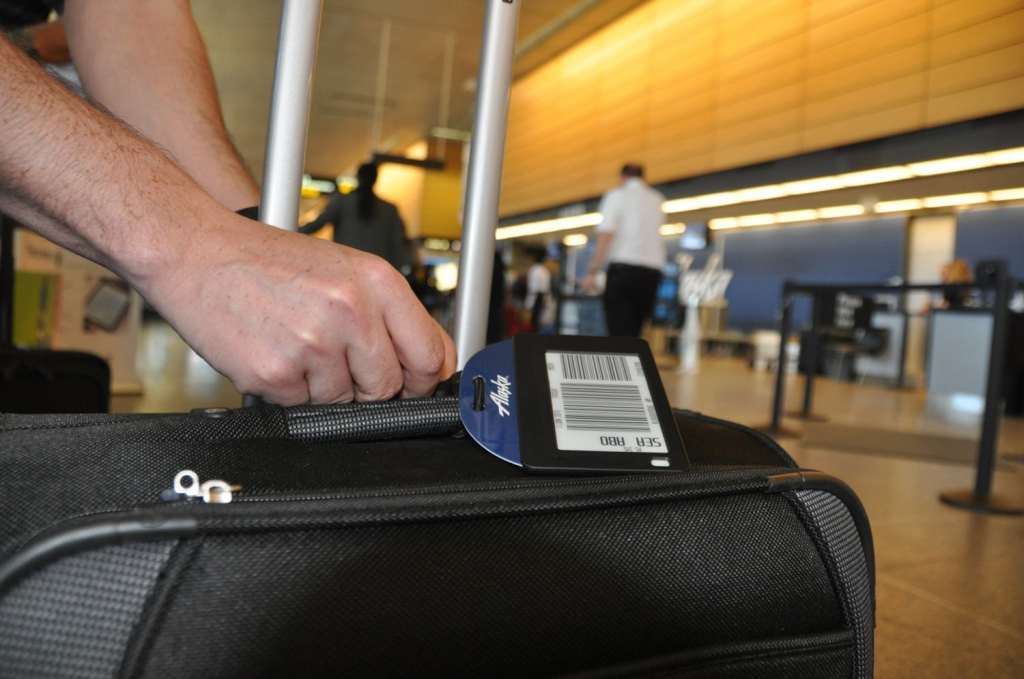
Young travelers may have a new reason to consider Alaska Airlines -- the carrier just opened up free mobile messaging on all of its WiFi-equipped flights.
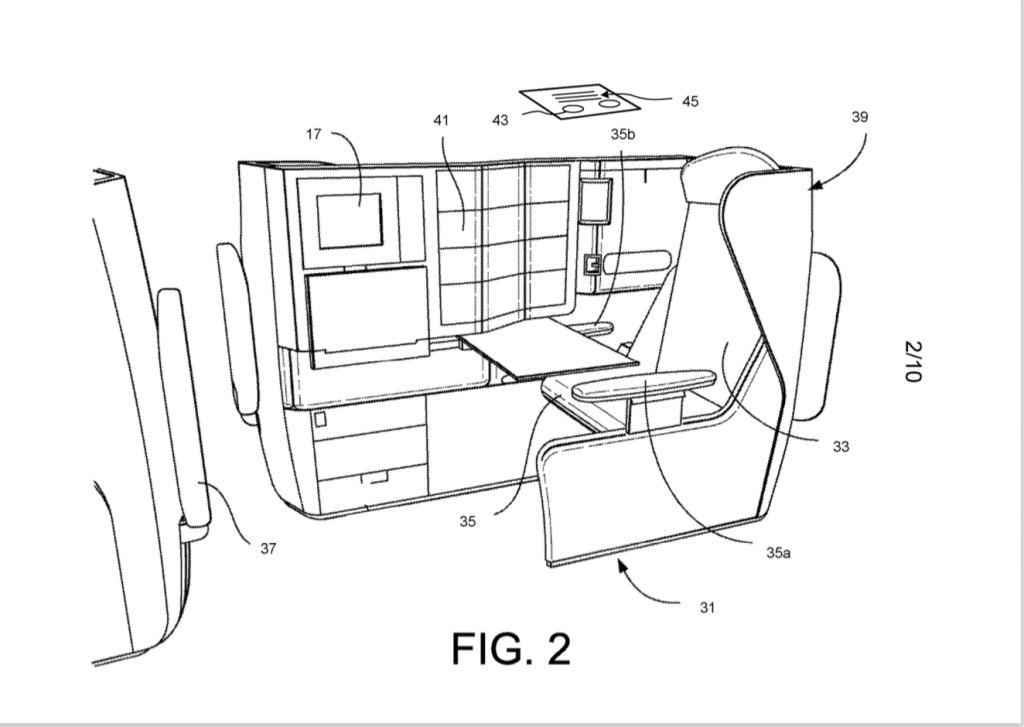
Who says airlines and suppliers can't innovative? Every year, they file for many unusual patents to protect their intellectual property. The problem? Most of the ideas never hit the market.
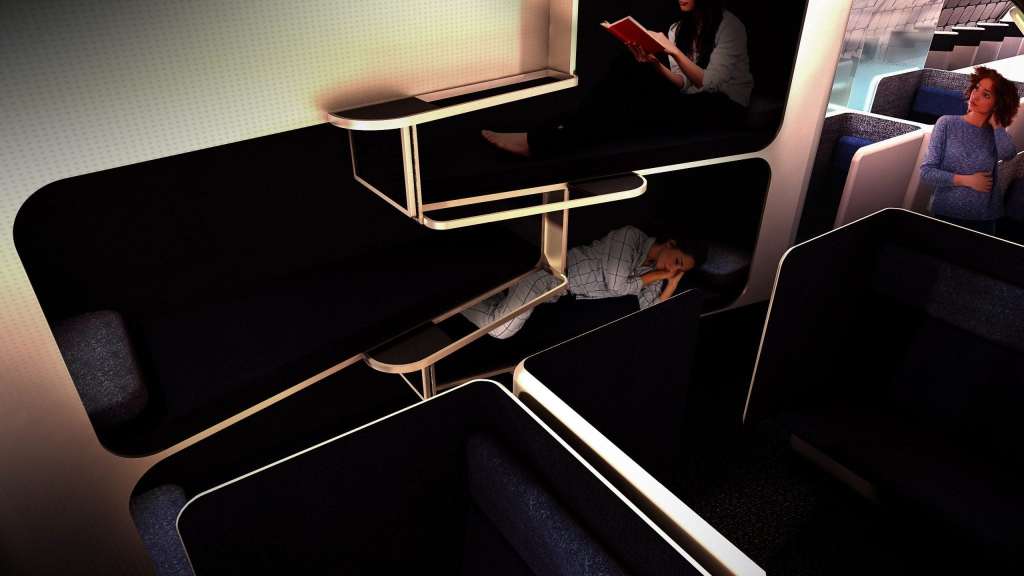
The basic aircraft cabin has not changed in decades. Airbus wants to give airlines flexibility to innovate, and that's impressive. But let's be honest. It is unlikely carriers will ever adopt Airbus' new platform. And if they do, it's even less likely they use the new functionality to install coffee shops or onboard gyms.
The DOT doesn't have as much regulatory power as other government agencies, so it's doing what it can to try to protect consumers. At the least, if an airline permits voice calls, it will have to tell consumers what it's doing — before they buy a ticket.
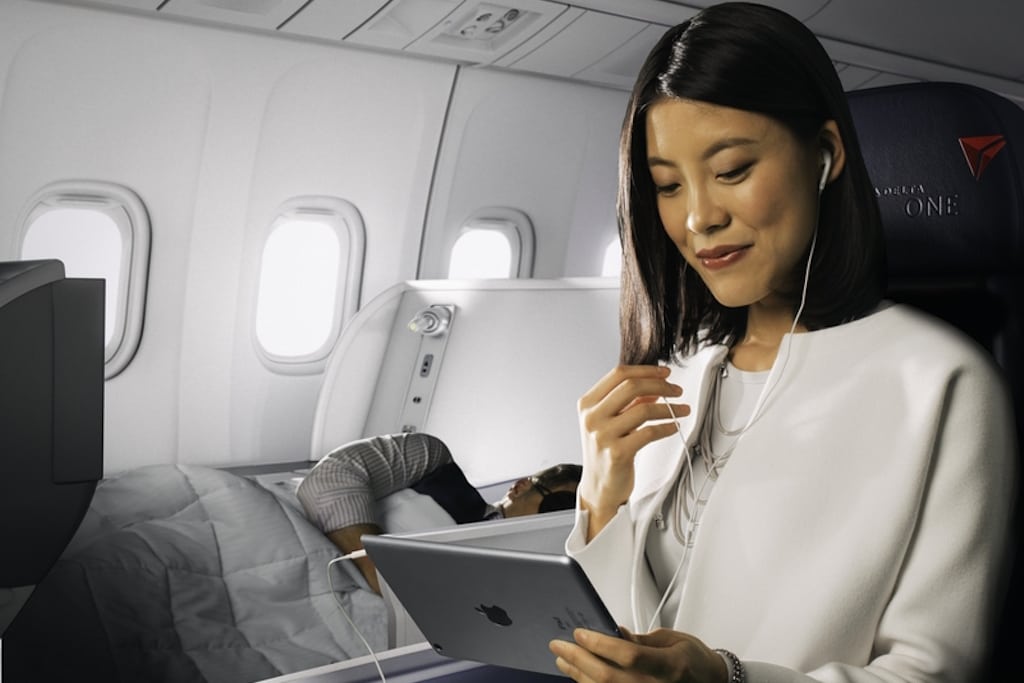
Even if this test goes nowhere, and Delta stays with the status quo, you should give the airline some credit for trying something new (even if it's old). This is why most insiders believe Delta is the most innovative major U.S. carrier.
From a public relations perspective, United has had a near flawless rollout of its new Polaris Business Class. But with it now flying, can the airline meet customer expectations? Or did the carrier over-promise what it can deliver?
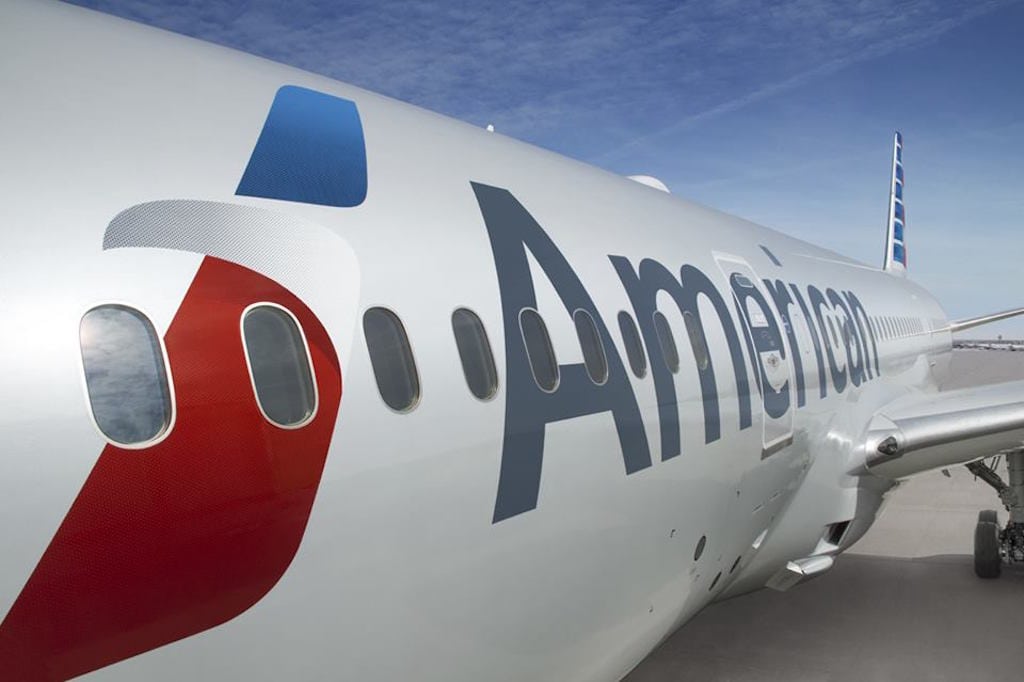
The good news is that Internet speeds on American Airlines will improve markedly. The bad? This will take "years," according to an airline spokesman. So travelers should be patient.
In most cases, airlines have the technology to give passengers more control over their journey. Carriers should take advantage of this, and they should start by making their mobile apps a lot more useful than they are today.
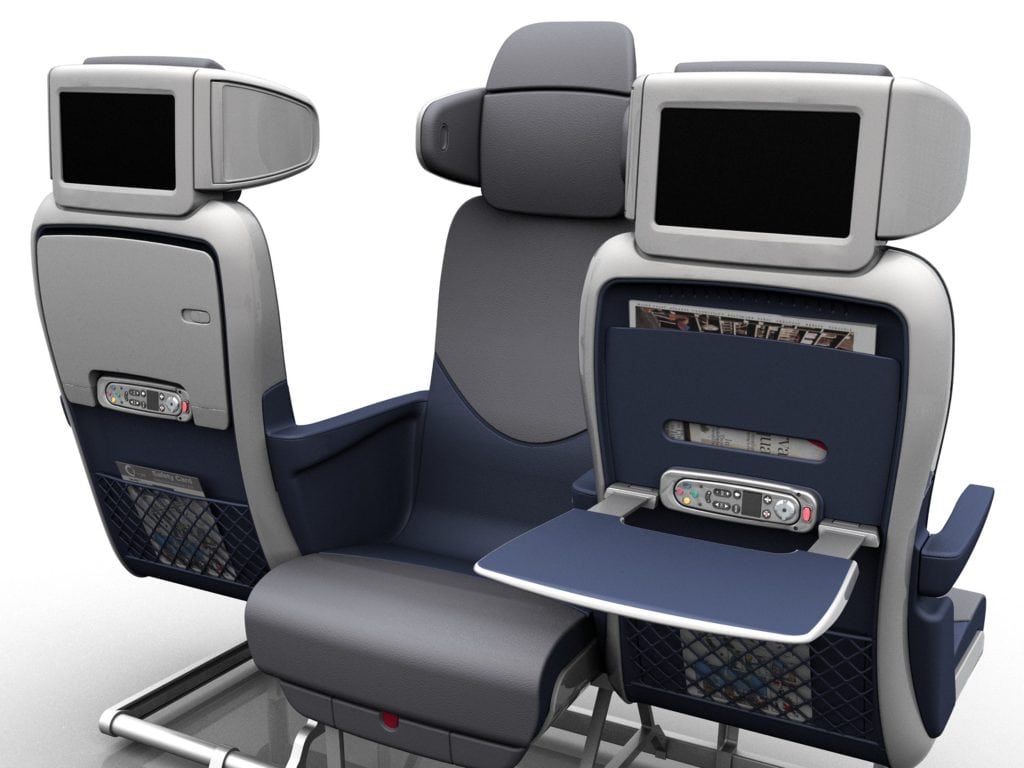
Feel free to read as many articles as you want about new coach concept seats. But let's be honest: The coach configuration on most planes hasn't changed in decades, and it's probably not going to change any time soon.