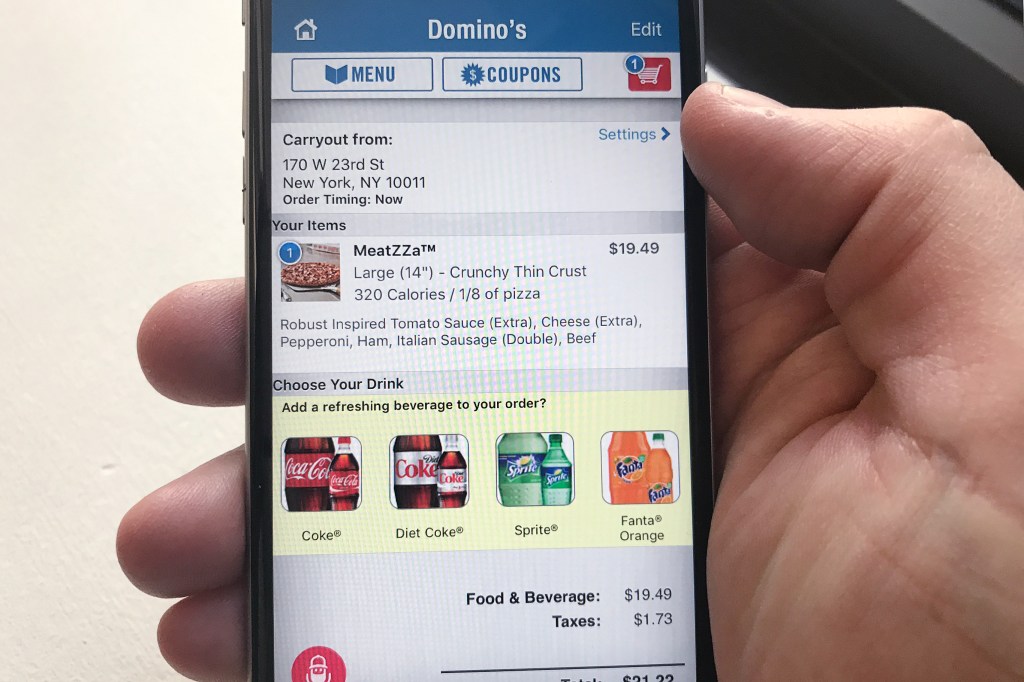
Amazon's restaurant business is just getting started, but by aligning its technology with existing companies in the space, it is poised to go (very) big.
Brands need to deliver the right information at the right time to the right device in order to succeed with today’s travelers. Those that are engaging with customer touchpoints throughout the entire travel journey are the ones making the most impact.
There isn’t so much a tortoise and the hare message in here as we’d like to imply. One person’s digital metric high points are another one’s warnings, so brands should use L2’s numbers to better understand their strategies, not simply define them.
For hotels looking to drive direct bookings, simply offering more competitive pricing or better loyalty programs is no longer enough to compete with online travel agencies.
With Google rumored to be ramping up its online travel efforts, it makes sense that Facebook is looking to develop more robust tools for travel companies to sell on its platform. The battle for mobile bookings is heating up.
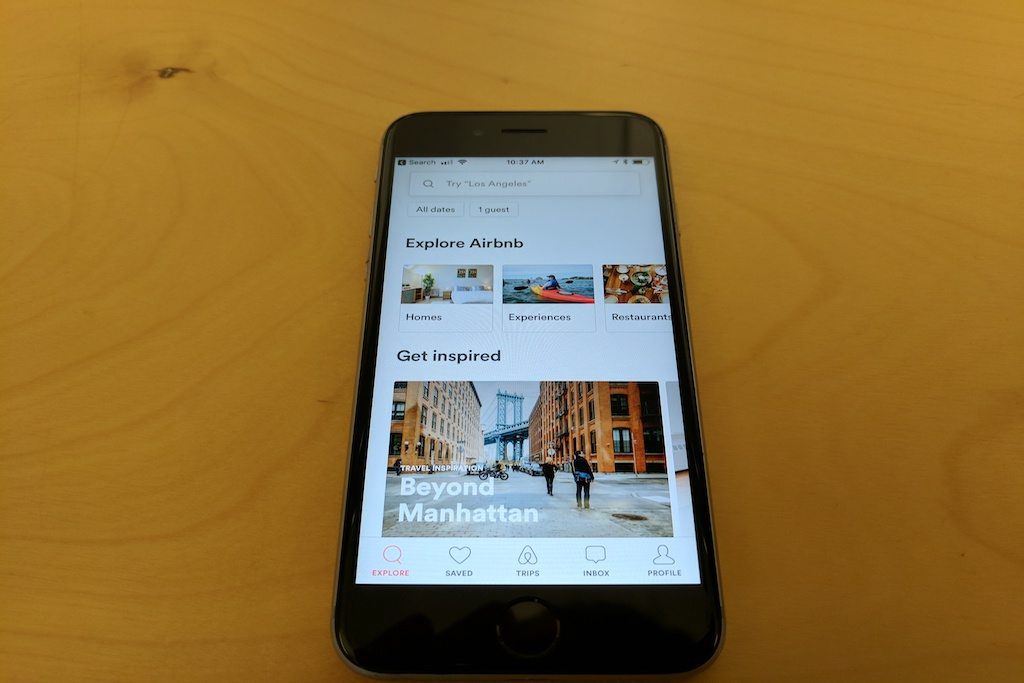
It looks like Airbnb is experiencing a huge upswing in mobile adoption. But traditional search engines and social networks are still driving consumers to travel sites on desktop, too.
The first iteration of this technology could be glitchy, but the ability to translate your speech into 40 languages could turn out to be something of a true killer app for the travel industry.
The travel providers that are leading the new engagement economy we now live in are the ones adding value, removing friction, and offering customers seamless and relevant solutions throughout the entire travel journey.
Analysts continue to critique TripAdvisor's near-term tactics. But CEO Steve Kaufer said Wednesday that no other company is as well-positioned to create value on mobile in the long run as his own.
U.S. business travelers want the technology tools to make their trips easier. The rest of the world, however, doesn't necessarily see technology as the solution to service problems.