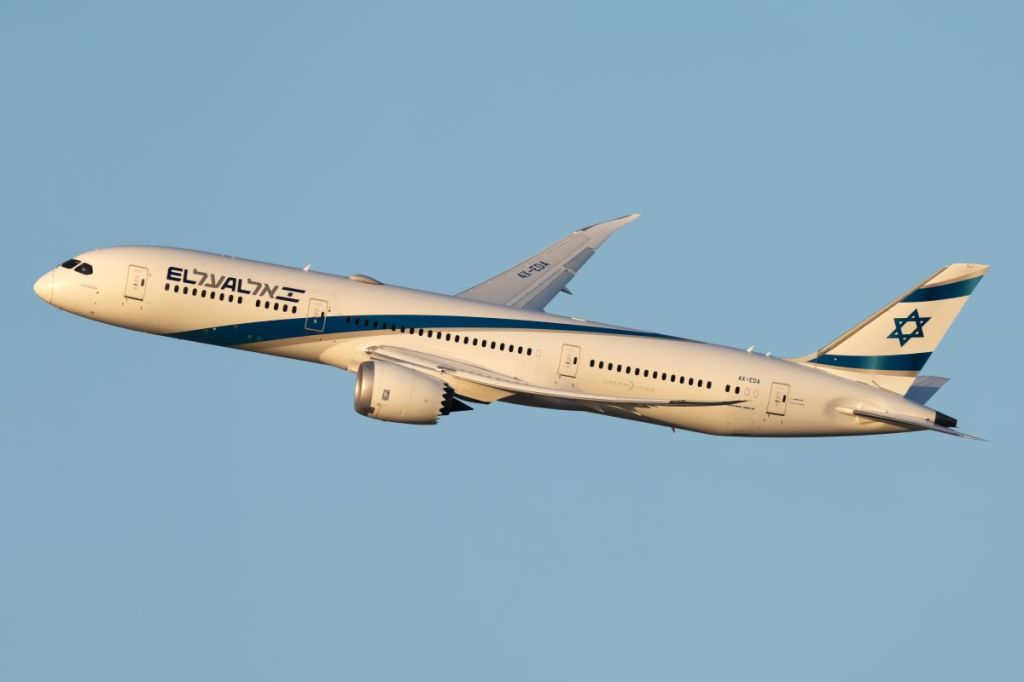
Several airspace closures in the Middle East following U.S.-Israel attacks on Iran threw the region into chaos as multiple carriers suspended operations out of the UAE, Israel, and Qatar.
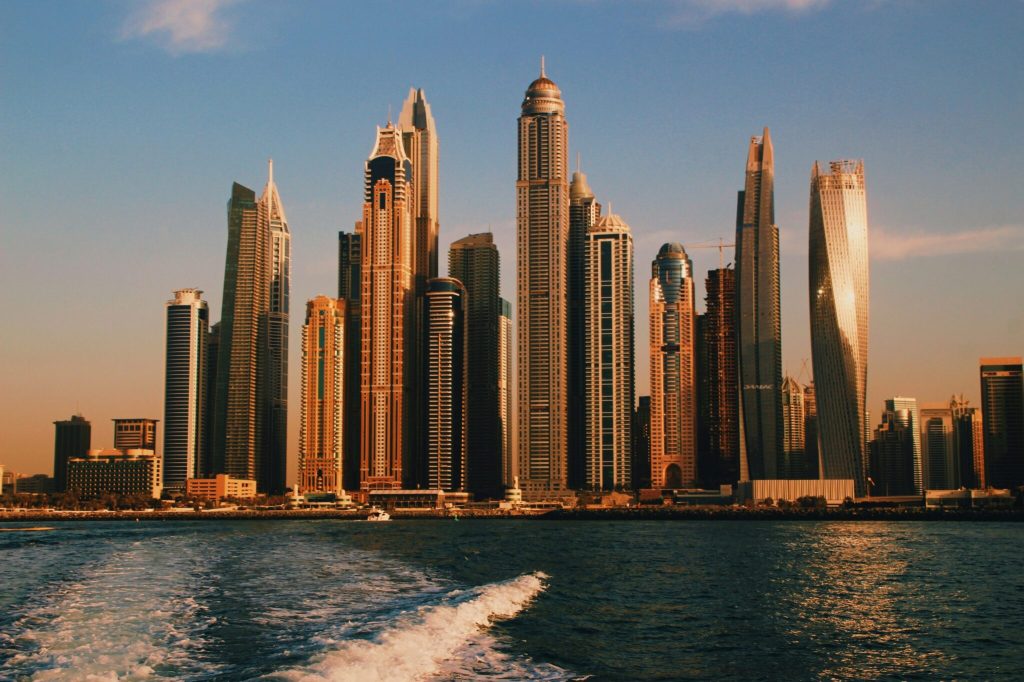
Dubai built Emirates to drive economic growth — and succeeded beyond imagination. Now a new chapter is unfolding. Emirates is expanding cautiously, while FlyDubai and Etihad push aggressively into new markets and Air Arabia carries low-cost flying further afield. With hundreds of aircraft on order, new hubs taking shape, and regional competition intensifying, the Gulf aviation story is evolving quickly. We explore what might come next in this week’s feature story.
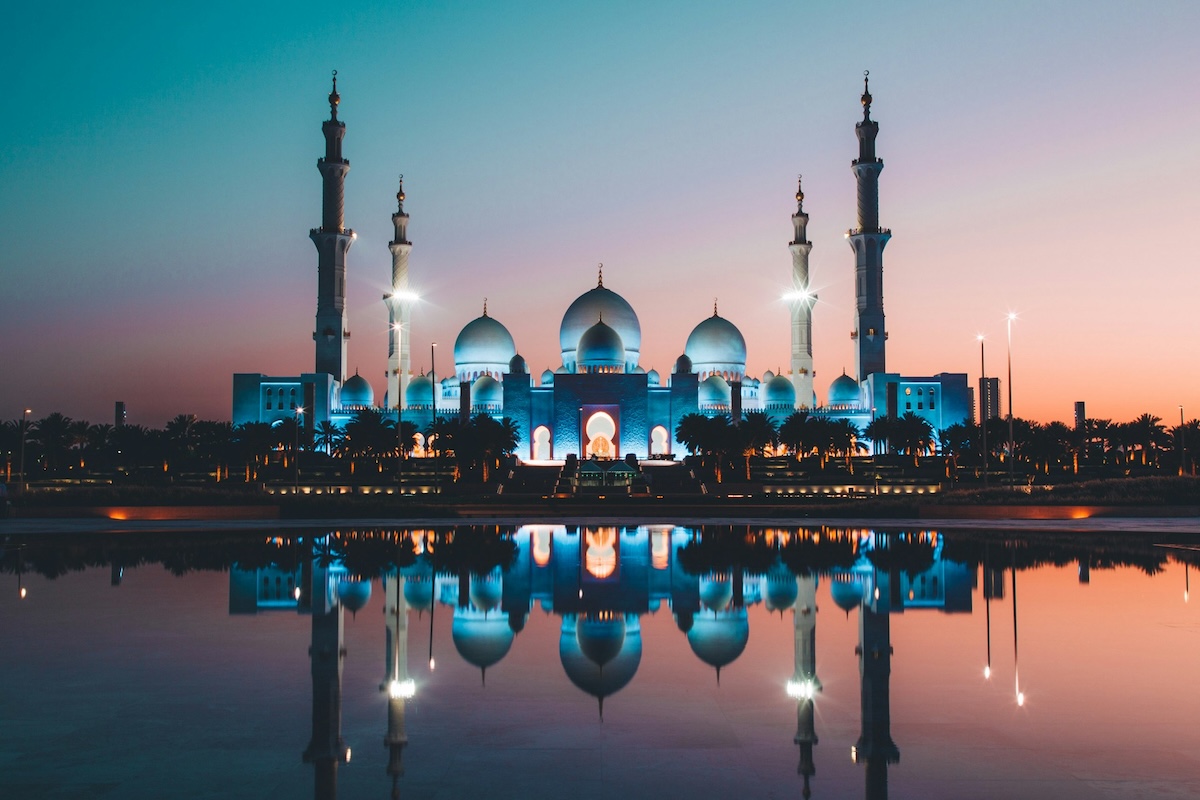
SITE’s members are well-traveled, and many have been to the Middle East before. But for those who had not — and for the association itself — the Annual Conference in Abu Dhabi presented some new challenges.
After years of rapid expansion, the travel industry is beginning to stabilize. While the world faces a period of uncertainty, the global appetite for meaningful experiences and the drive to explore ensures that travel remains a priority heading into 2026.
This is a smarter structure than its failed gamble in the 2010s – but success may hinge on filling three-leg itineraries in a market already saturated with one-stop Gulf competition.
In 2025, travel matured from a post-pandemic sprint into a disciplined, value-driven market that prioritizes experiences and revenue quality over just driving volumes. As growth shifts Eastward and geopolitics redefine travel corridors, the industry’s success in 2026 will depend on its ability to remain tech-agile and price-resilient in a volatile world.
Saudi Arabia’s tourism ambitions won’t be won by trophy hotels. Marriott’s midscale-heavy deal shows a belief that filling rooms, not adding gold bling, will determine whether the kingdom's tourism development goals succeed.