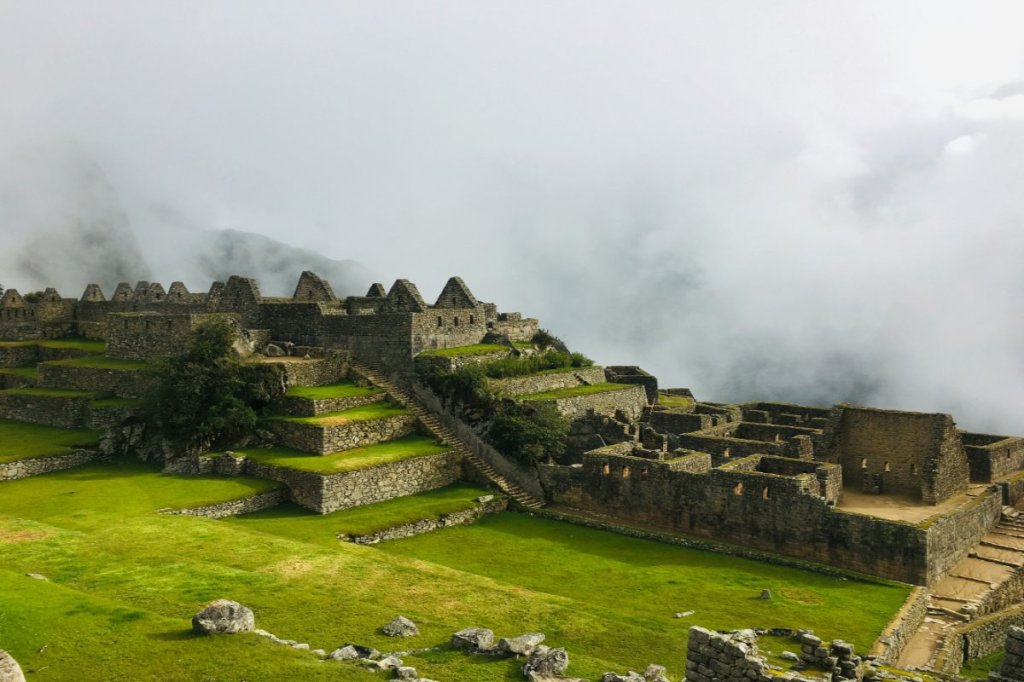
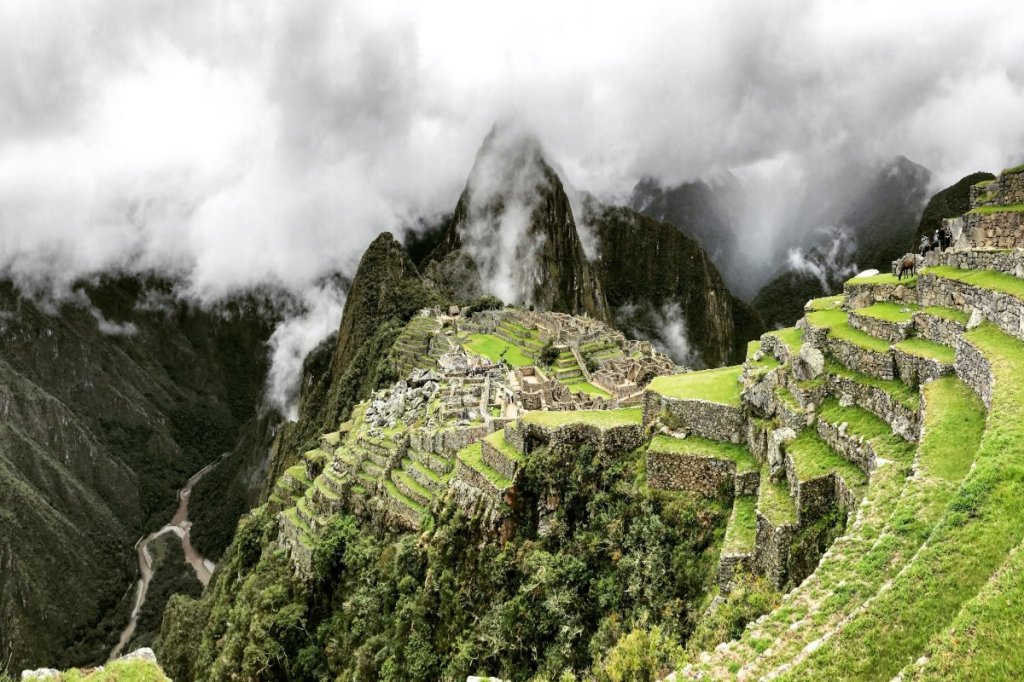
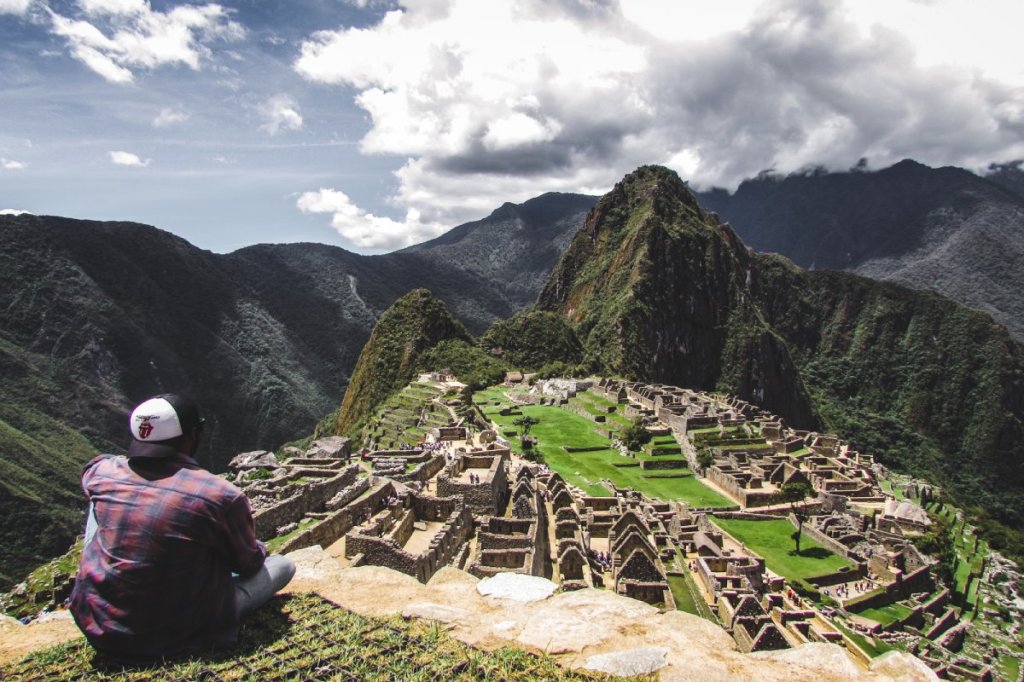
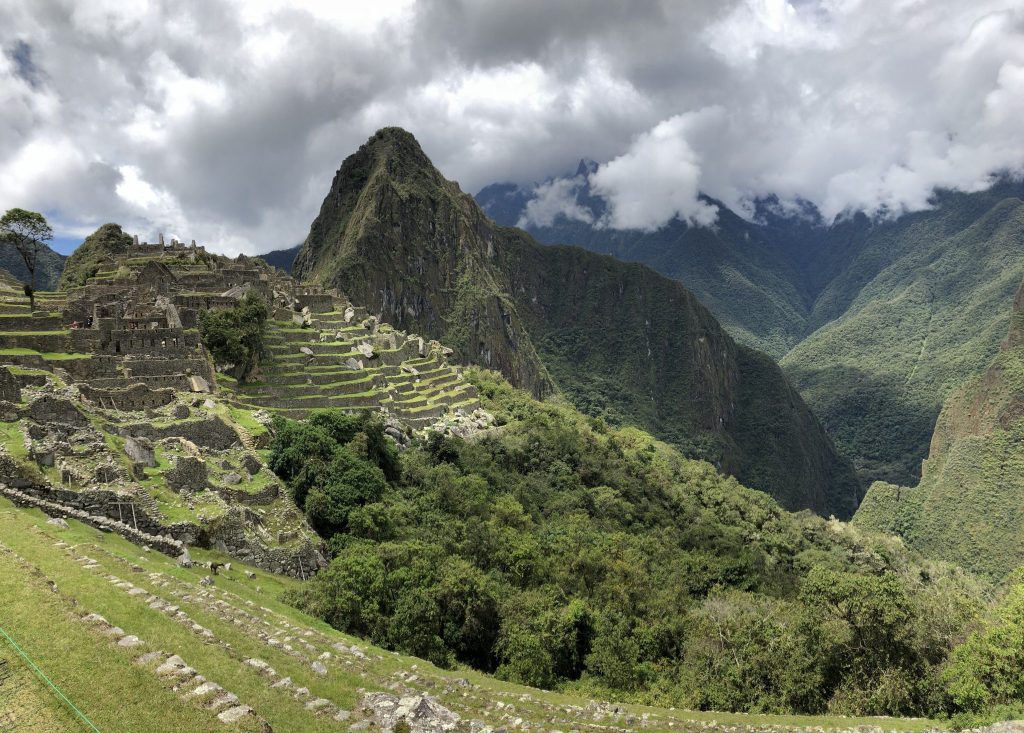
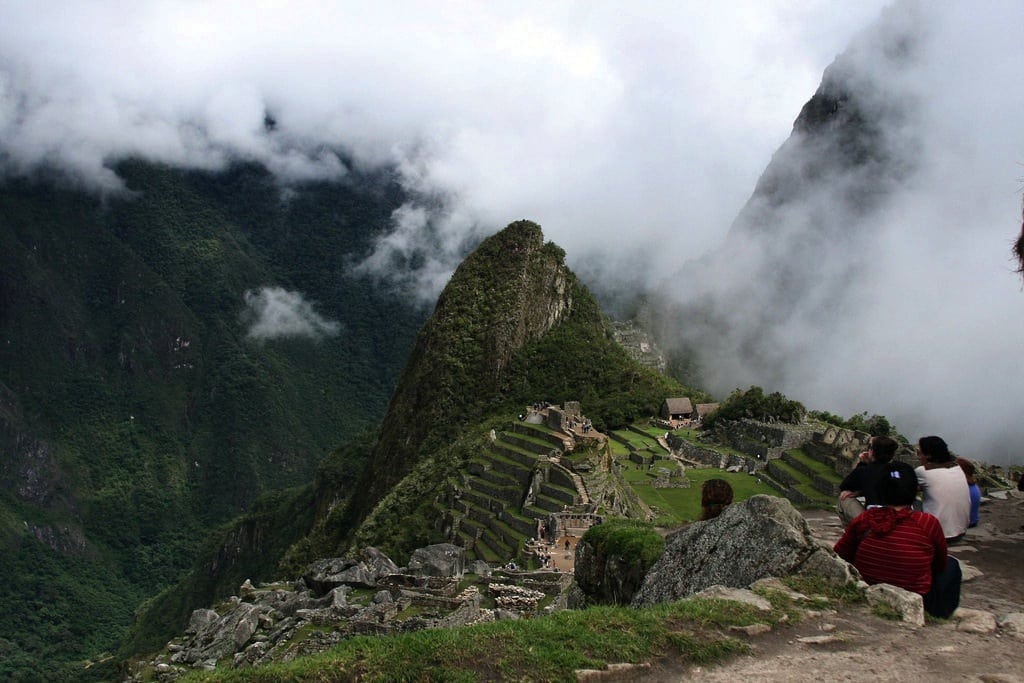
Machu Picchu is arguably South America's top draw for foreign tourists. If access remains disrupted for some time, many international visitors may cancel future trips as a precaution.
With over 25,000 miles of Inca Main Road to explore, alternative routes to the world-famous Machu Picchu Inca citadel trek are being scouted. And it's long overdue.
The civil unrest has delivered a serious blow to the recovery of Peru's tourism sector. Tourism officials need to counter the negative publicity — especially around Machu Picchu — to reassure aspiring tourists of the country's safety. They also need to nudge government officials to resolve the crisis.
Peru has done a lot in terms of diversifying its tourism industry, but a stronger emphasis on a unified vision for tourism is still needed. If governments don’t start prioritizing tourism — which has far-reaching impacts on other industries, the environment, and the lives of locals — we’re going to lose critical parts of history that help explain who we are and how we got here.
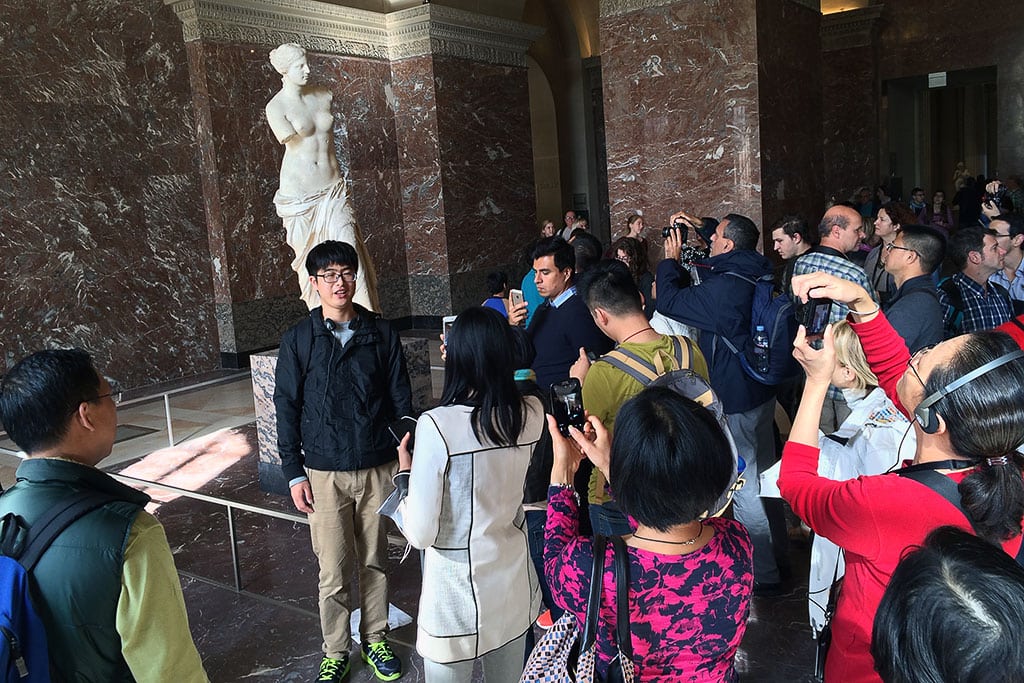
Overcrowding is one of the biggest issues plaguing destinations. Here I outline a smart new way to allow free-market forces to not only limit overcrowding, but spread out the visitors and help fill the off-peak dates.