However BBC Trust wants to apportion the blame, the reality is the management screwed-up badly here: the people who BBC entrusted to make this happen, and the integration, and the the top management it brought in to run it. It should have named names.
Moon doesn't have the name recognition of some of the other travel brands, but it's managed to avoid they pitfalls that's taken them down. Newlin's experience demonstrates the value of bucking traditional wisdom.
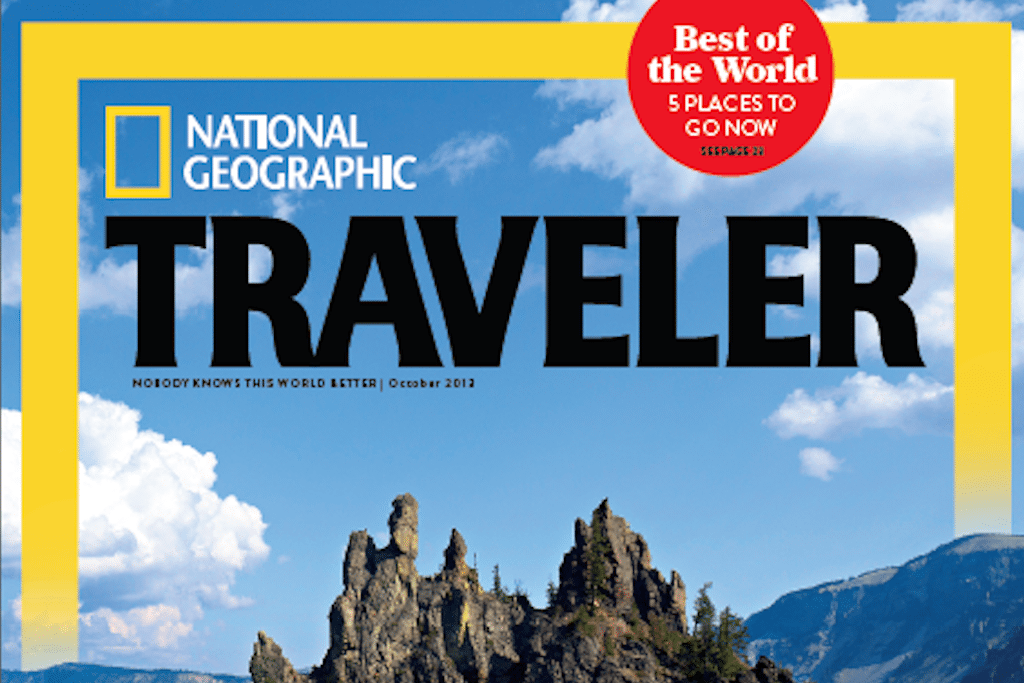
As far as its print strategy, National Geographic is such an iconic brand that it may be a special case. Yes, print definitely has a role, especially for guidebooks when roaming charges would otherwise come into play, but experiential writing, if not photography, can be savored just as nicely on tablets.
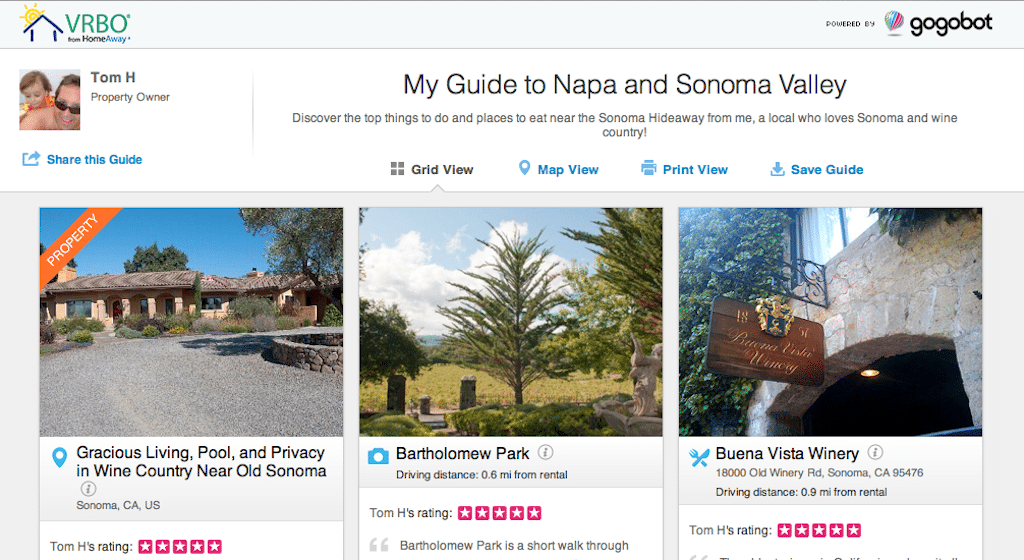
These Insider Guides can be a nice add-on for vacation rental owners and their customers. A nicely created guide, with neighborhood attractions, could be a selling point for the rentals.
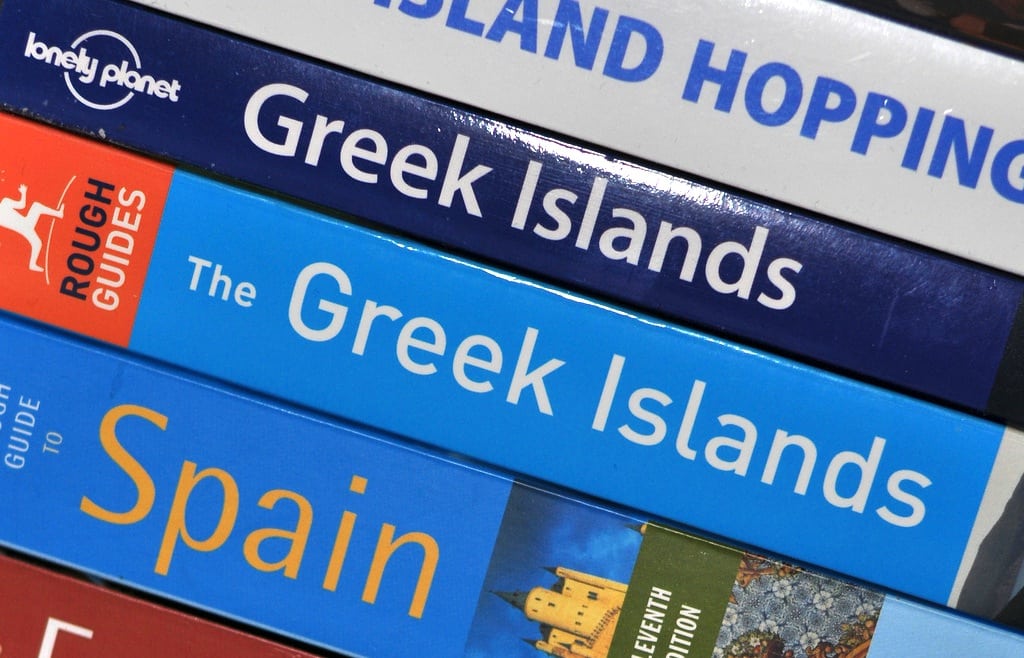
Thus the turmoil in guidebook world continues. The impending closure of Frommer's print division has been likely since the August sale to Google, but this is the first clear sign that the series will not continue in its current form.
Professionally created guides will always have a place in the traveler's toolkit, but they aren't going to be limited to paper any more and the next generation of guidebook brands will need to make the business work sooner rather than later.
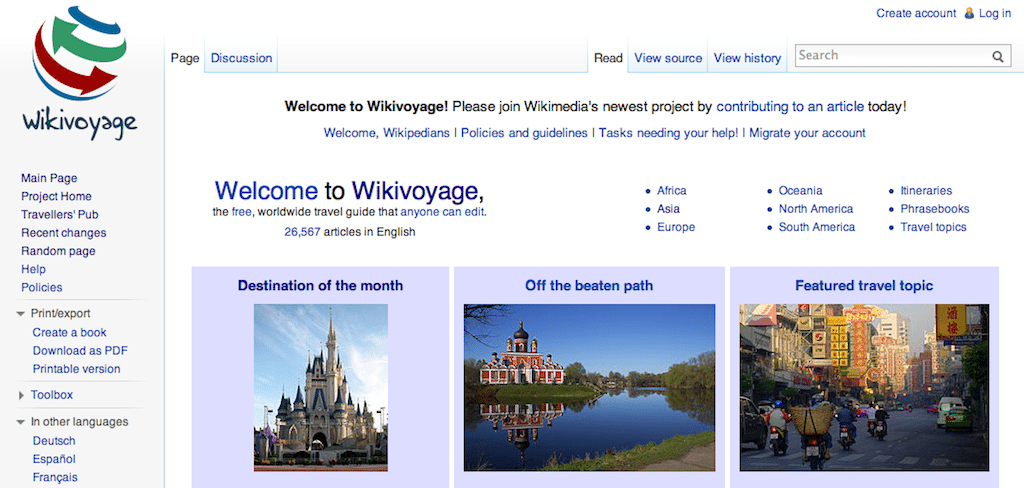
The two travel wikis, one advertising free and one commercial, will battle it out for readers. But, for all of each wiki's collaborative writing and editing, there is still something very appealing to be said about an insightful, individually written travel guide that can enable you to smell the aroma of the baguette as it just starts to fill the village square.