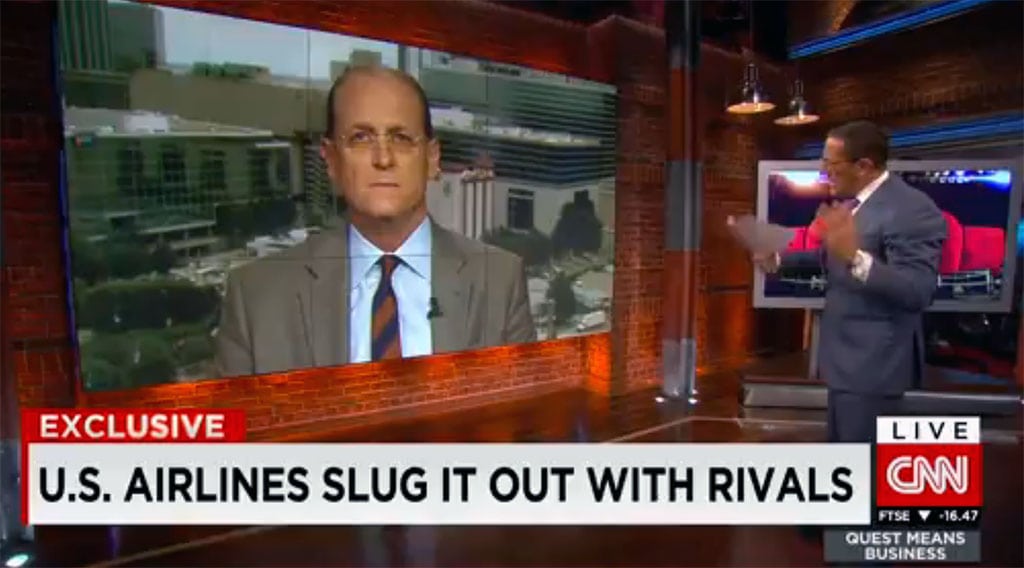
A new approach to loyalty and innovation is necessary for U.S. carriers to remain viable in the long-term. Because protectionist instincts will only help you for so long.
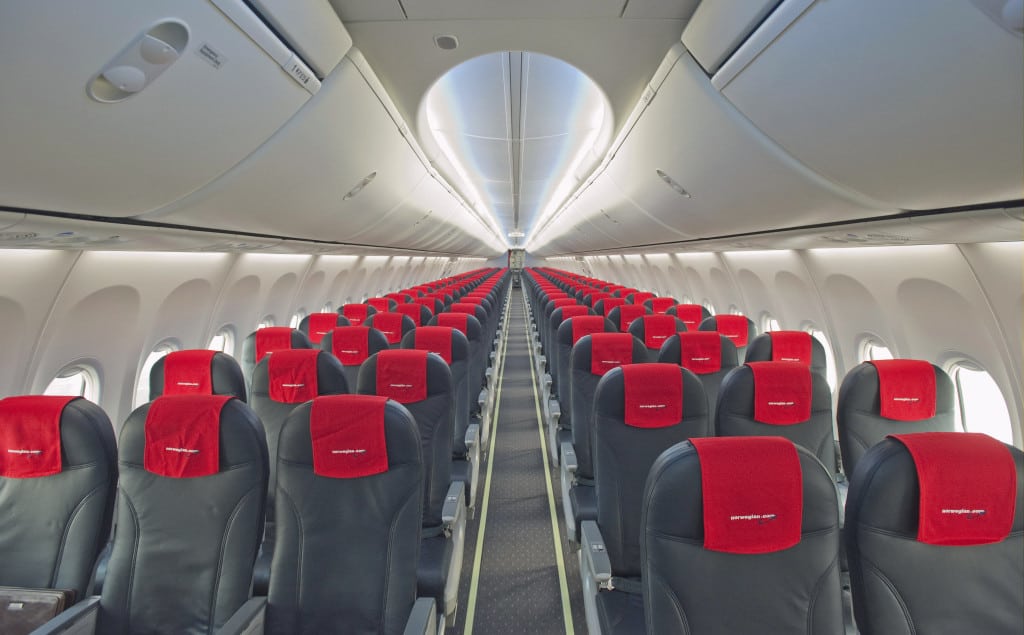
It's not likely the U.S. carriers will win this round. In addition to challenges from the Gulf, they are dealing with Norwegian Air's low-cost challenges for trans-Atlantic service. While not all Americans love the Gulf carriers, they do love an airline bargain.
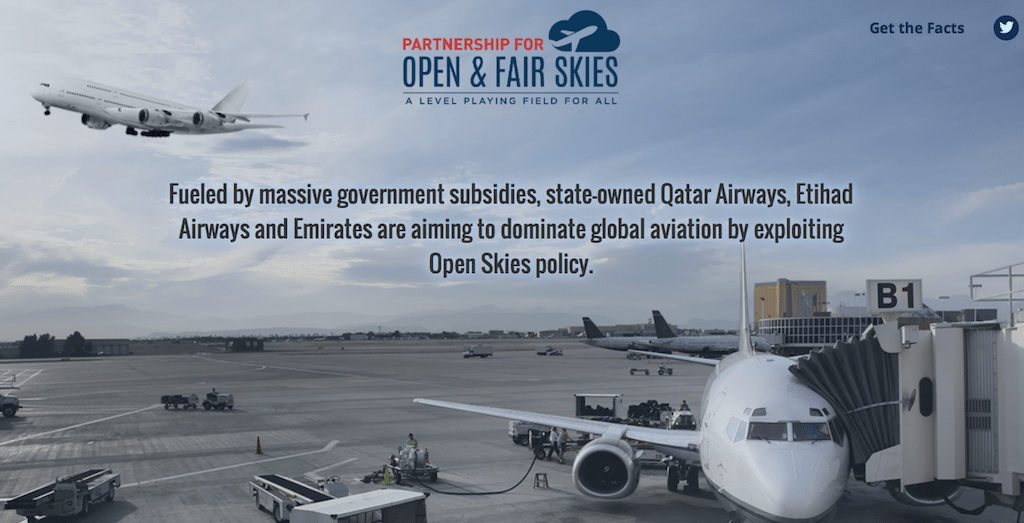
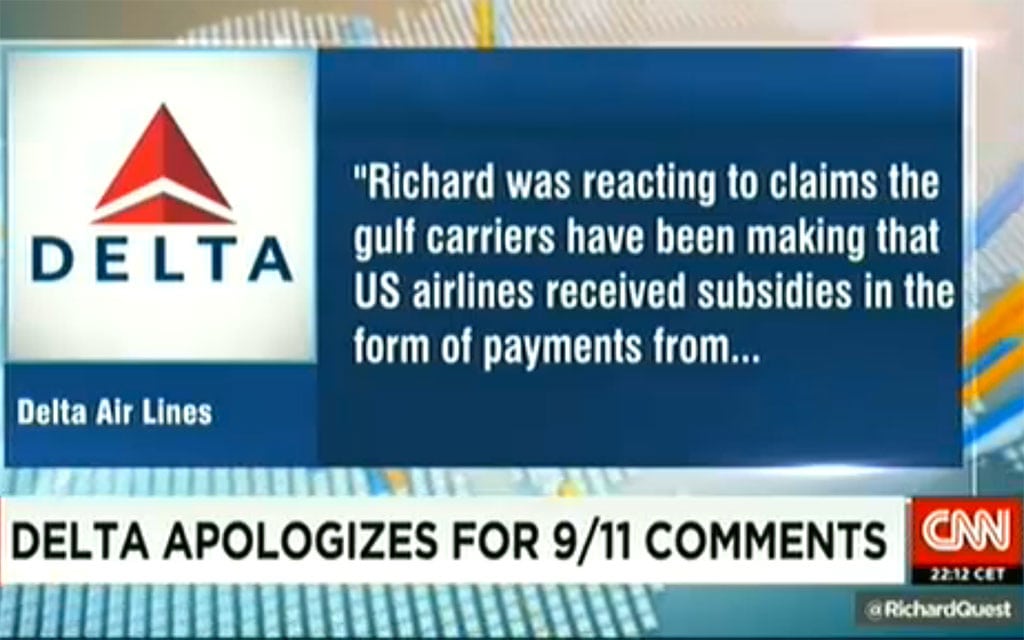
There's an argument to be had here about state aid for airlines, but this isn't it. You know you're losing the debate when you try to link your opponent to 9/11.
Route location plays a huge part in Alaska's and Hawaiian's continued success. A better indicator of aviation progress is overall industry on-time pefromance, record, which continues to decline.
Ensuring adequate competition in airports large and small gives those airports more negotiating power against the big three national carriers, and could ensure adequate infrastructure for more visitors from abroad to spend their travel dollars in the US. This last is, after all, the mandate of organizations like the US Travel Association.
Outfitting aircraft with Wi-Fi is part of the battle. As Routehappy points out, the quality is still lacking with fewer than one percent of flights in the U.S. equipped with Wi-Fi that has the bandwidth to stream video.
Co-branded deals between airlines and credit card companies have become a lot more competitive of late and when it comes to the latest pact between American Express and Delta, the airline is just loving the boost to its ancillary revenue.