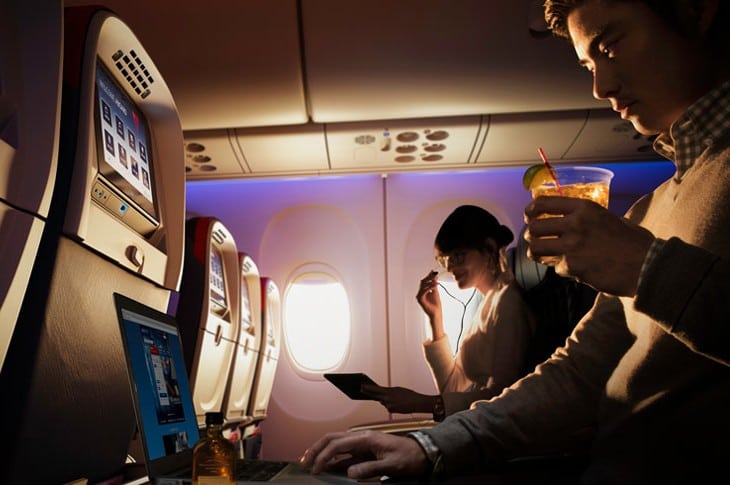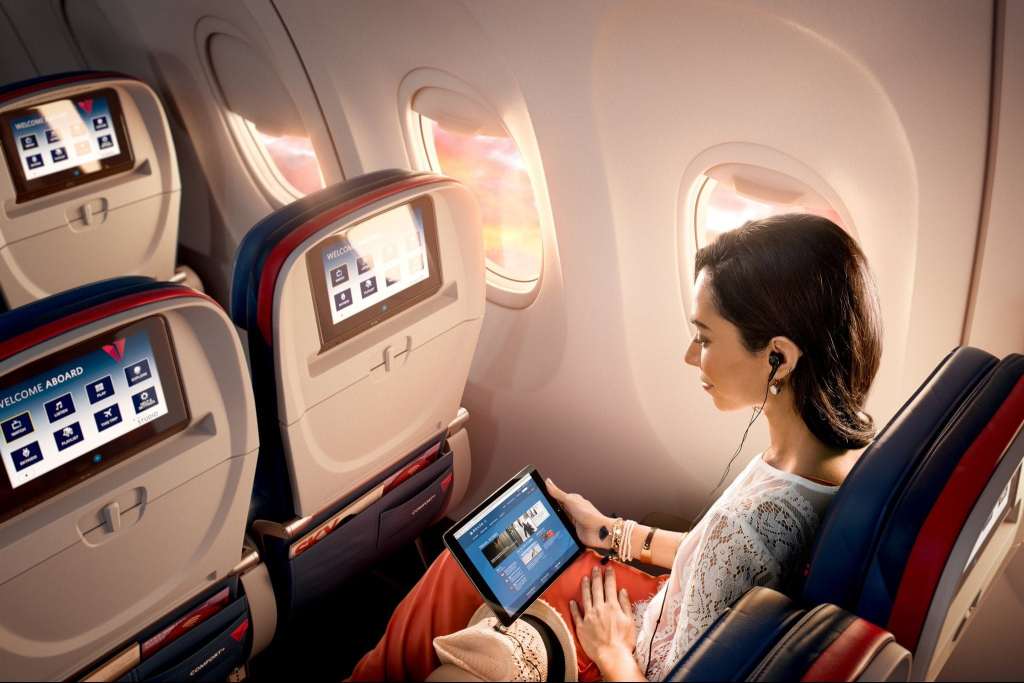
Gogo had a set-back when American Airlines decided to open up its Wi-Fi bid to rival ViaSat, but this new Delta Air Lines commitment makes up for that.
The level of profitability revealed in the latest BTS report is leaves the Big 3 U.S. airlines room to improve their in-flight products and passenger services, without breaking the bank. But they have achieved this profitability in large part by becoming better businesses. If they are to stay profitable when the next inevitable industry downturn comes, they will need to keep improving their retail models.
When airlines such as Delta and Etihad opt to make investments in partner airlines around the globe instead of making acquisitions, which can trigger regulatory hassles, the investor carriers are going to be subject to economic turmoil in partners' domestic markets. That just goes with the territory.
Rumors of a downturn in corporate travel have been greatly exaggerated according to Delta Air Lines. Delta executives, however, do admit that corporate yields have decreased.
If you take Delta at its word, then fears that the introduction of Basic Economy fares to compete with the ultra-low-cost carriers on price would dilute the spend of usually higher-paying passengers haven't been borne out. Still, the situation is fluid as other legacy carriers are set to introduce these discounted fares, as well.
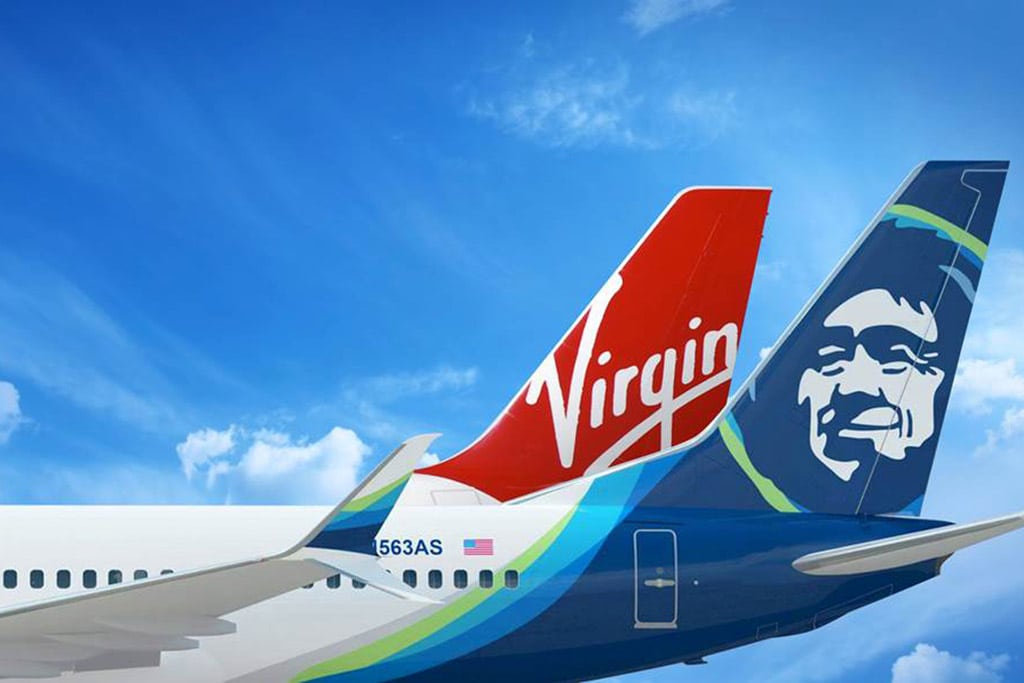
First let's get the record straight, we were totally wrong about Delta wanting to add Virgin America as a boutique property to its collection. In the end, Alaska Airlines got it and we’re just not sure what Alaska will do with it; it would seem Alaska isn’t sure either.
Alaska Airlines, American Airlines, and Delta Air Lines continue to lead the pack when it comes to on-time arrivals. But Virgin America, which will likely be acquired by Alaska Airlines, stood above its competitors overall.
If airlines can widen redemption options while making their customers happy and boosting revenue in the same move, then all parties can walk away happy.