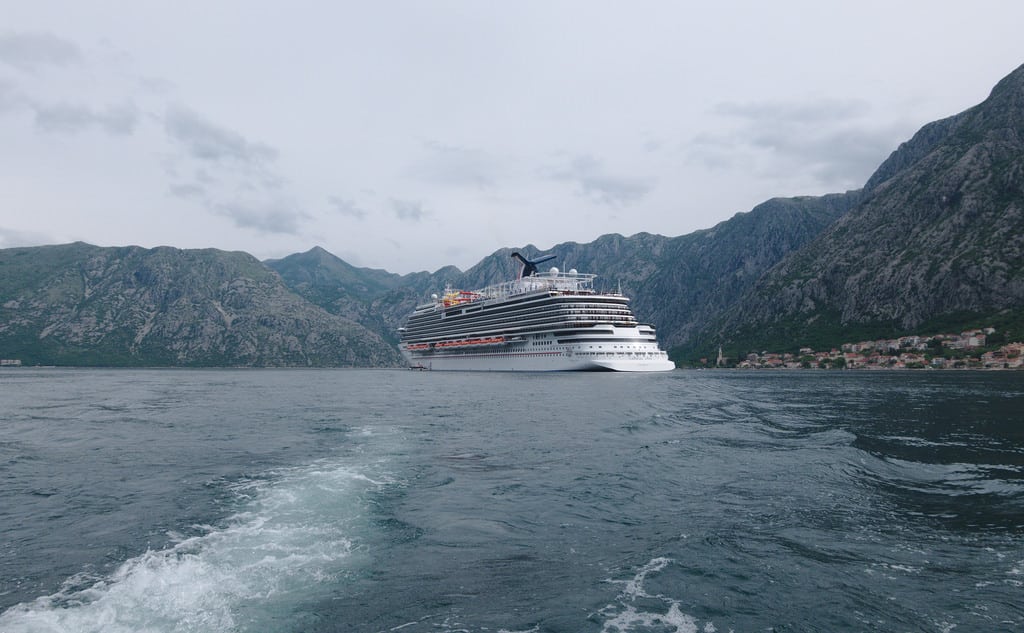
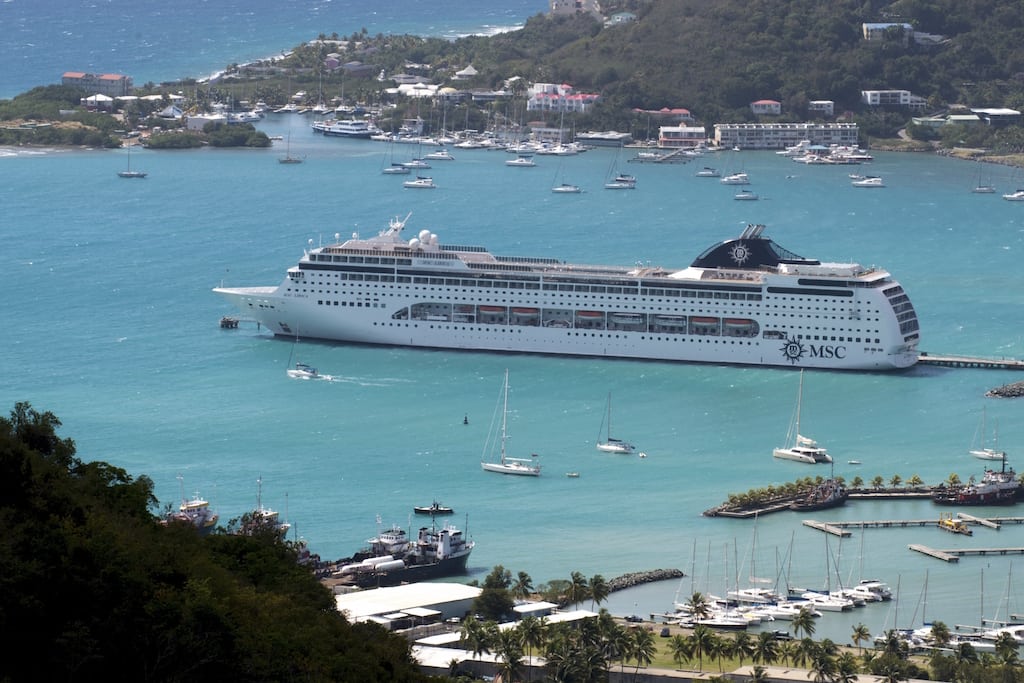
Global cruise lines have been feeling the pressure on pricing as more competitors enter China. Still, MSC Cruises is betting that the market will be ready for a second ship from the line in 2018.
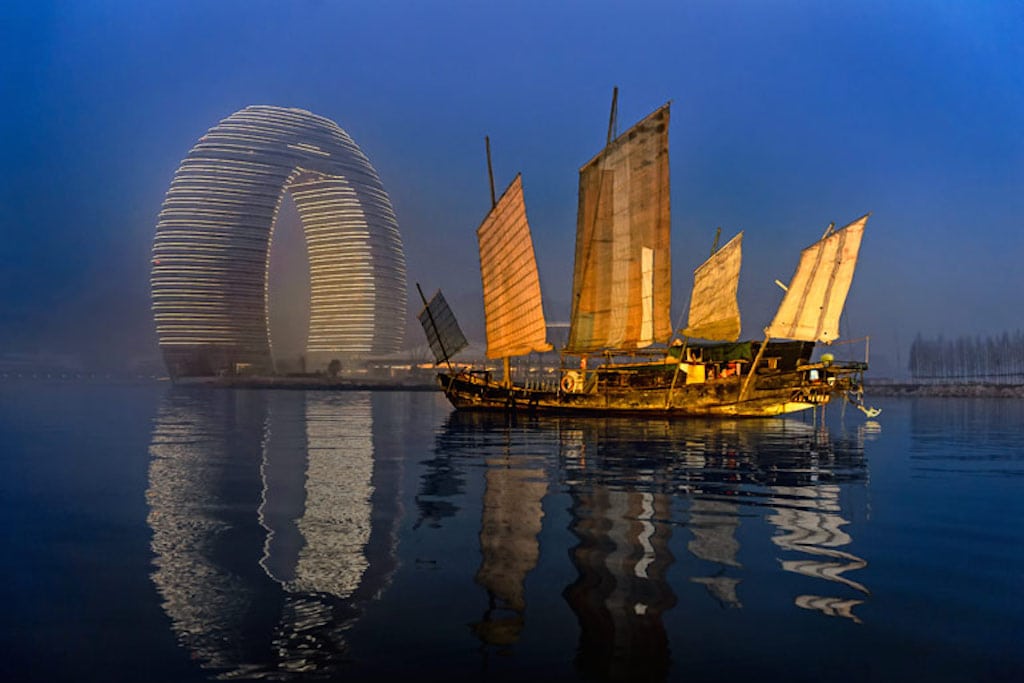
If there were any doubts about the Marriott-Starwood deal getting done, you can now toss them out because of the approval from Chinese regulators. Now, let's get on with it.
How great is the appetite among Chinese travelers for cruise vacations? International cruise operators think they've only just started testing the waters and demand will continue to grow.
Given what happened with Didi Chunxing and Uber, can other businesses like Airbnb compete in China? What can vacation rental and homesharing companies learn from homegrown Chinese startups like Tujia?
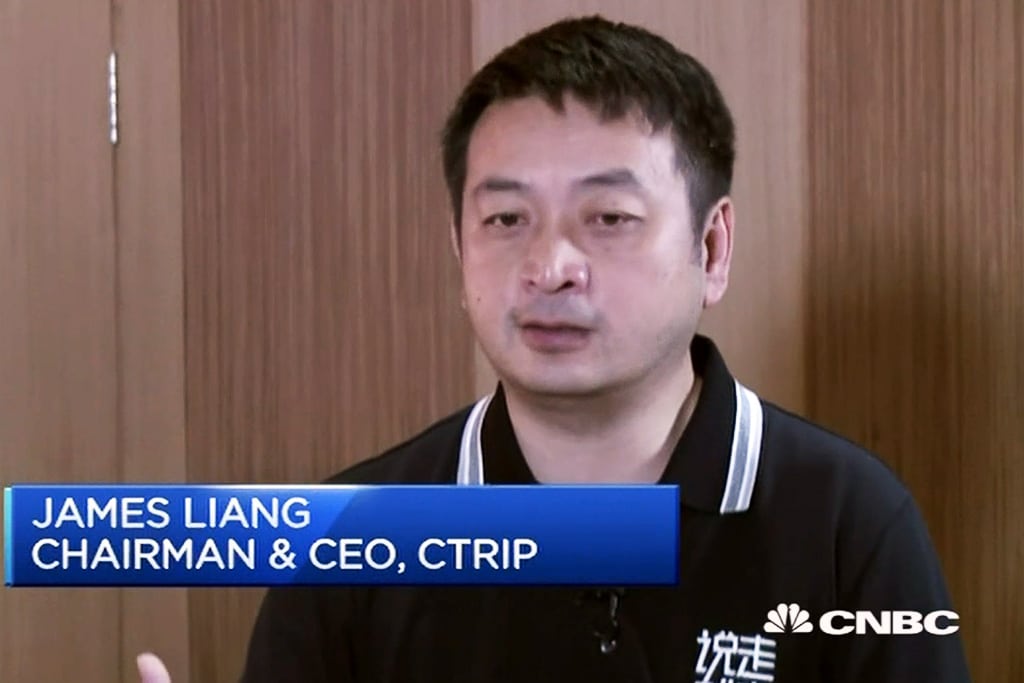
Would the world's second-largest online travel agency in market cap, Ctrip, entertain the idea of entering the U.S. market to complement its sites in mainland China, Hong Kong and Singapore? The x's and o's are unclear but the idea isn't as far-fetched as it might seem given Chinese investment in the U.S. and the Ctrip CEO's statements about his interest in the U.S. market
While the tone has changed this year in conversations about China — lower prices will do that — executives say they still believe in the market for the long term.
In China, anything is possible when it comes to antitrust clearance and there are a number of potential reasons why regulatory authorities there extended their review of the Marriott-Starwood merger. This prolonged waiting game could be part of a larger strategy to extract concessions and finish off part of what Anbang started in March.
Some Chinese investors have plenty of cash to spend on foreign investment and between easier approval processes and a slower Chinese economy the Chinese are eager to spread their portfolios overseas.
Royal Caribbean is adamant that it is in China for the long haul, despite short-term pricing pressures. It will be interesting to see how the rest of the industry responds if capacity proves difficult to absorb.