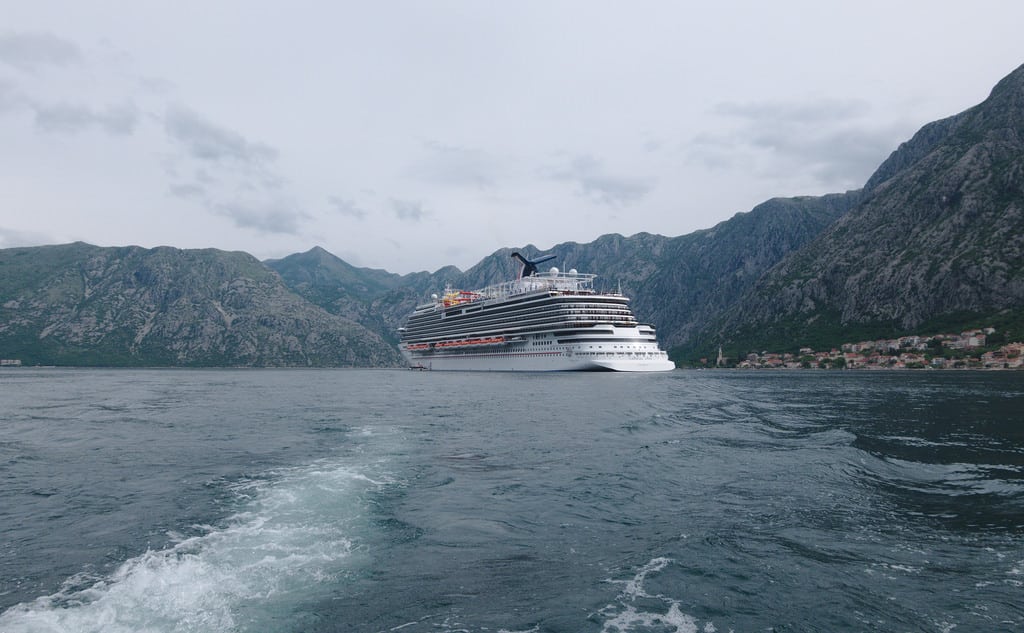
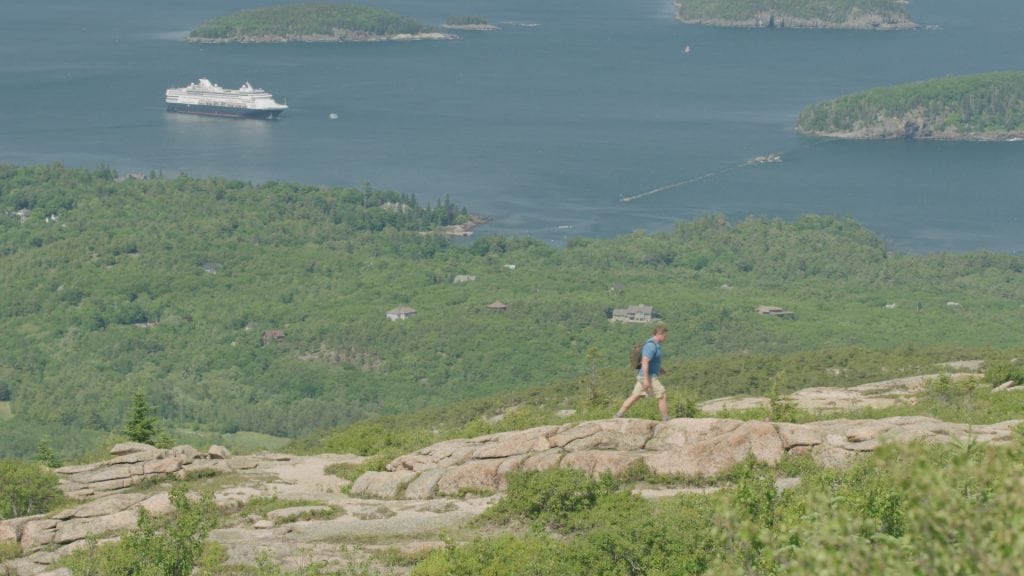
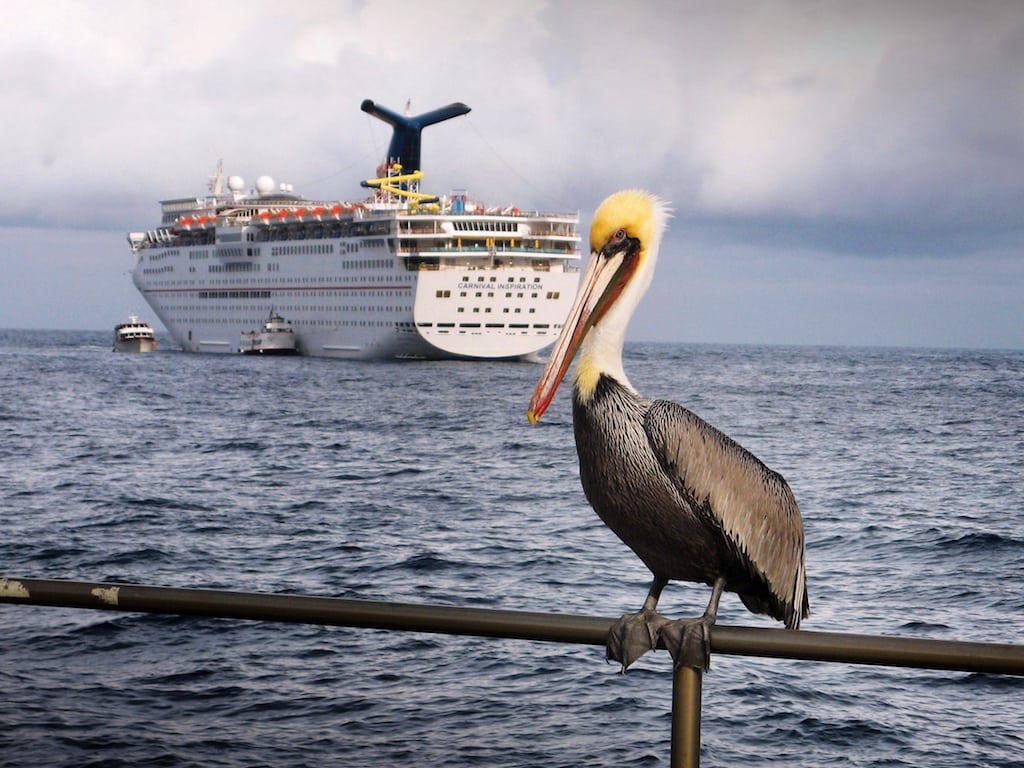
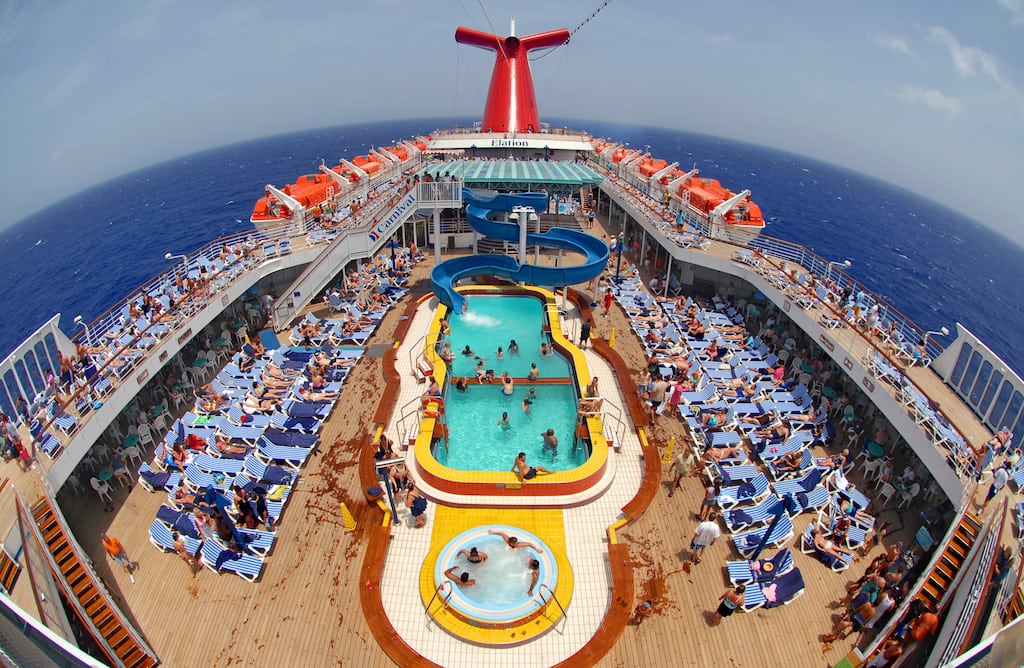
Carnival Corporation is putting a lot of effort into getting its cruise ships, destinations, and shore activities in front of a massive audience. Smart travelers will realize they're seeing a highly produced, promotional version of a cruise experience.
It looks like Carnival Corp. has found a ship type it likes. Including the order announced Tuesday, the cruise company is adding seven 5,200-passenger megaships that are powered by liquefied natural gas across four brands.
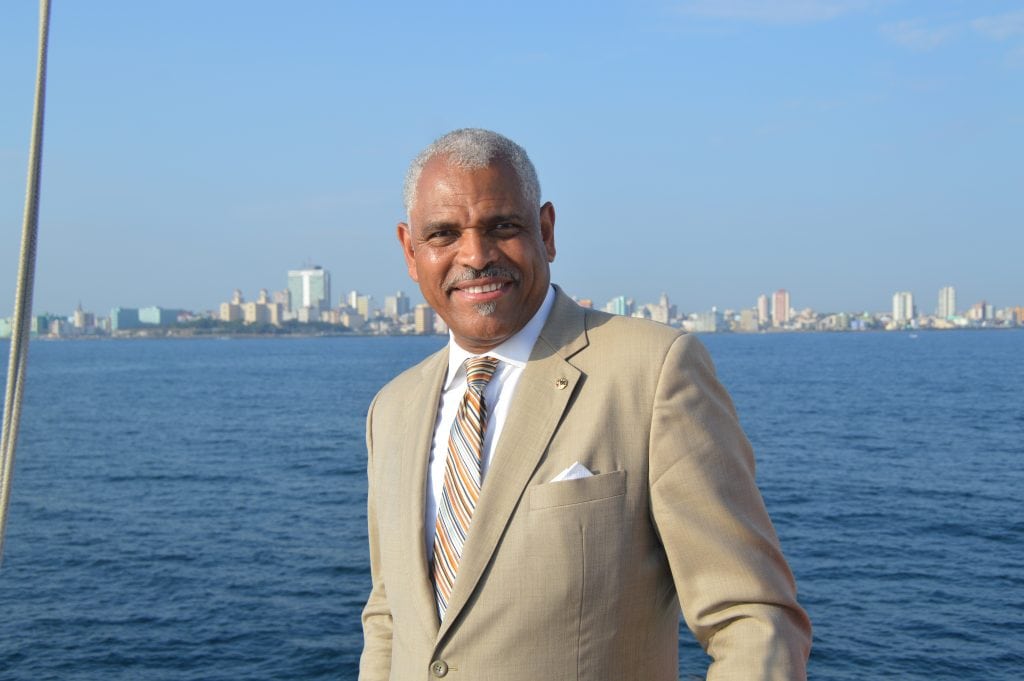
As Carnival's experience shows, doing business in Cuba as an American company is complicated — especially in these early days while relations are normalizing but the embargo remains in place. Travel companies catering to U.S. citizens need to be flexible, detail-focused, and patient.
It's nice to see an industry-leading company take a forward-looking approach to sustainability, both in terms of the environment and its effect on destinations around the world. For the time being, cruise ships are still big polluters.
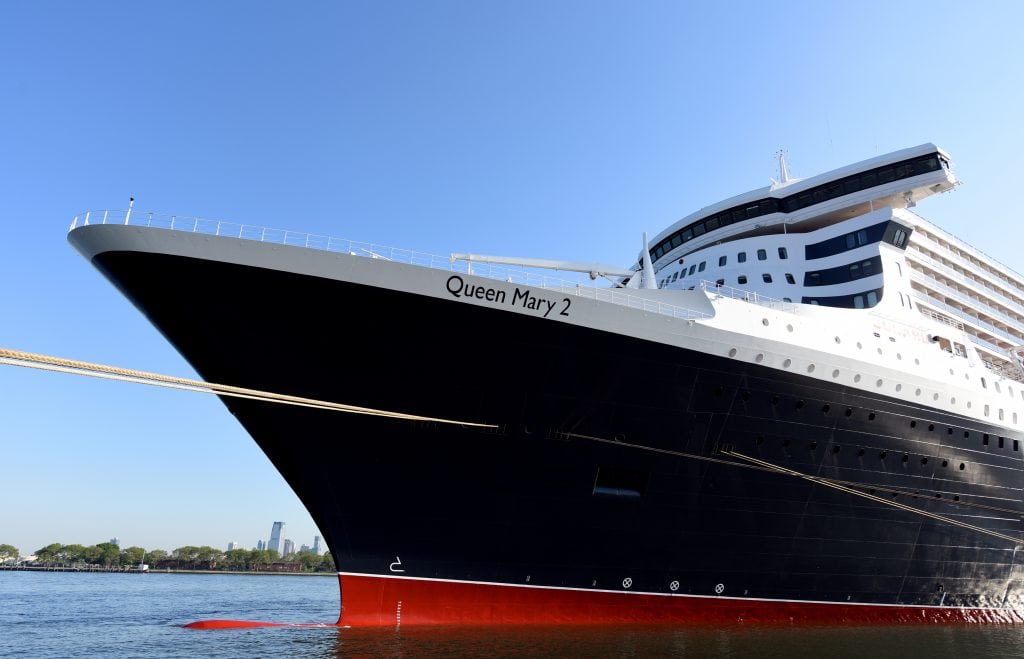
In an industry full of young brands, Cunard Line emphasizes its history to stand apart. But keeping the needs of modern travelers in mind is important too.
Carnival Corporation pulled off a surprisingly good quarter despite global uncertainty, though capacity growth in China seems to be worrying some on Wall Street.
Fathom is a unique product in the cruise space with the backing of cruising's biggest player. It's also just one ship among hundreds in the global cruise industry. With time, and more marketing, it shouldn't be hard for them to find the 600 cruisers each week to fill the MV Adonia.
Now that major cruise lines have updated their onboard product with all new bells and whistles, they're looking to revamp their land offerings to attract consumers who are the most hesitant to cruise.
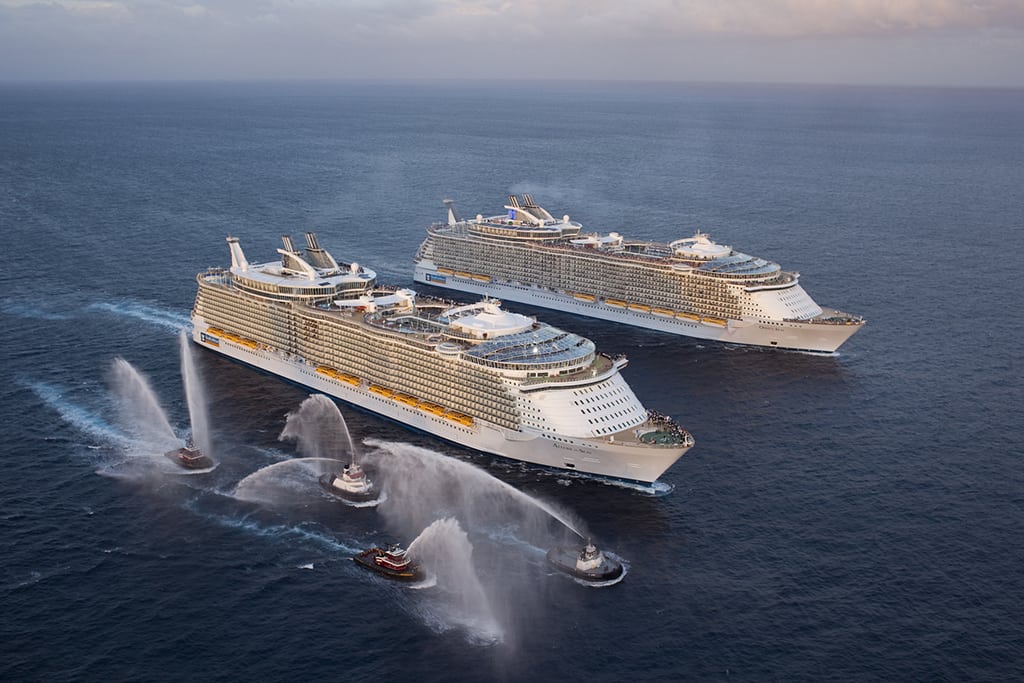
Kudos to Royal Caribbean for focusing on product over bragging rights — but it would have been helpful to know about this development when it happened.