This Labor Day China’s travelers are chasing vibes, not views. If your destination lacks soul or story, you’re off the map. Authenticity is the mantra.
If rerouting becomes the new normal, India risks losing its edge as a fast, affordable hub, and that will hit more than just airlines. The immediate blow is to outbound tourism, particularly to emerging favorites like Central Asia, but a prolonged airspace closure could threaten inbound recovery as well.
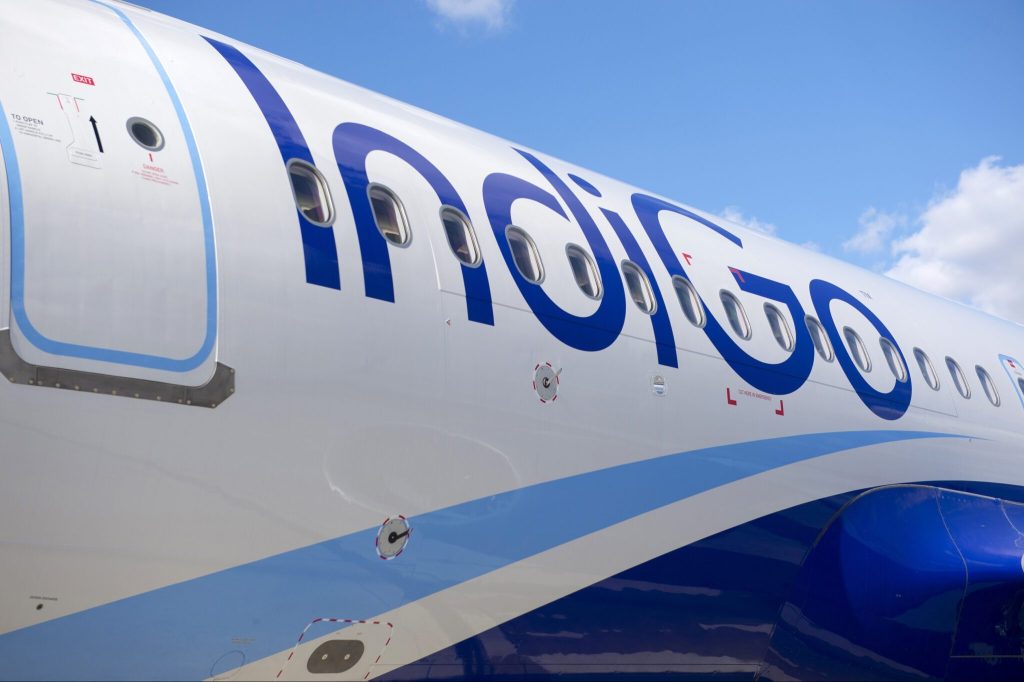
While Indian carriers have so far remained relatively insulated from recessionary concerns in the U.S., the sudden closure of Pakistan’s airspace presents a far more immediate and tangible threat.
With the economy stabilizing and leisure and business travel bouncing back, investors like GIC are betting big on the “next wave” of premium hotel demand. The SAMHI deal signals not just confidence in the sector, but in the evolving Indian traveler.
For destinations, Dragon Trail’s data presents both a breakthrough and a warning: Safety isn’t a nice‑to‑have, it’s “the” dial that actually moves the needle.
In this episode of the Skift Podcast, Rafat Ali speaks with Ian Di Tullio, global chief commercial officer of Minor Hotels, about the company's growth strategy, the evolving hospitality landscape, and the influence of pop culture and film tourism on bookings.
The way to a Chinese traveler's itinerary seems to be through RedNote. For travel brands hoping to understand and engage this critical audience, the platform is less a social network and more a digital crystal ball.
In a country with a booming middle-class like India, the move to upscale and midscale travel is a no-brainer. As consumers look for quality without a hefty price tag, brands that upgrade their midscale offerings are already reaping the benefits.