The lawsuit shows in graphic detail that the merger would cripple competition on more than 1,000 domestic routes, and that's a deep challenge to the airlines' contention that there is overlap on merely a dozen routes.
Today marks the beginning of what is expected to be extensive haggling between American, US Airways, and the DOJ. With enough concessions, the airlines still have a shot at completing their merger.
Despite its huge and continuing growth, the travel and tourism industry has a PR problem among Generation Y grads looking for serious business careers. The industry must fix its image quick, since it will be looking to fill millions of new jobs over the next few years.
The merger quickly gained approval from creditors, shareholders, and the EU before encountering this potential game changer. The filing could mean serious trouble for the airlines, especially since the U.S. government approved previous aviation tie-ups.
Officials from American Airlines and US Airways may have blundered big-time when they publicly stated that their respective airlines could indeed operate independently. This deal looked so bad from an anti-competition perspective that even the attorneys general from Texas and Arizona, where AA and US Air are headquartered, respectively, joined the suit.
Many of these angels have some big wins on their resumes, some more than one. They see a huge opportunity in vacation rentals, a high-growth market where there is tons of room for improvements both on the management end, and the guest experience.
Airline seats in coach are getting ever-more cramped as carriers leave the legroom to passengers purchasing higher-fare tickets. Anything that would make long-haul flights more comfortable to non-elite flyers would almost be like manna from heaven.
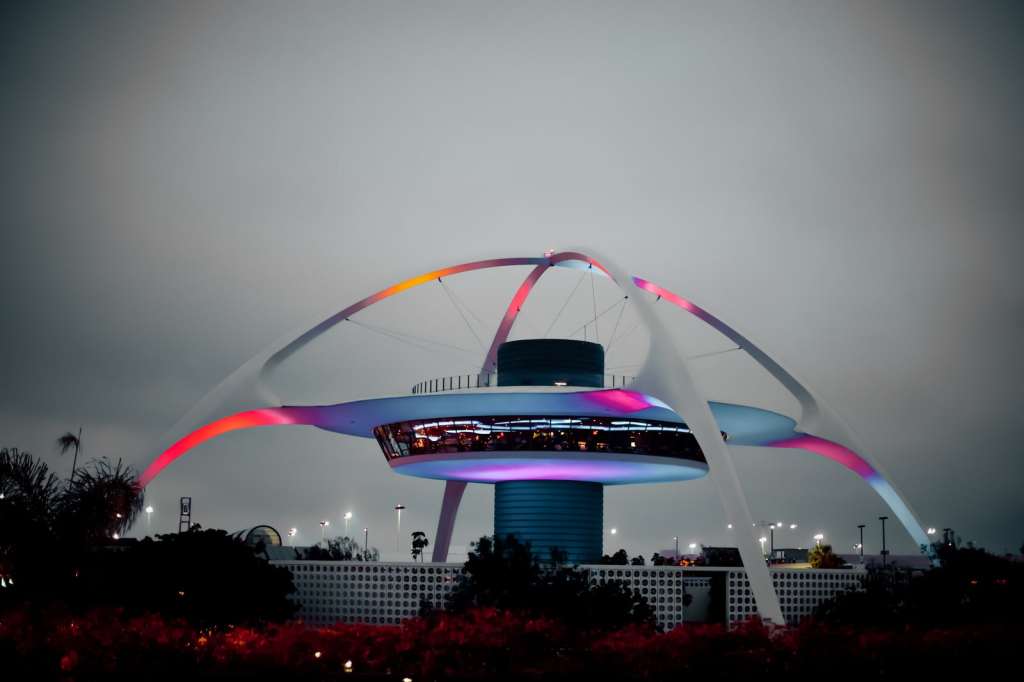
Airports, as miserable as they are in the overall travel experience these days, continue to be a place to show off, and social media outlets like Facebook are perfect venues for that.