The largest tourism-real-estate deals increasingly arrive with a demand for exceptional treatment: special investor status, rewritten protections, consent bypassed. Albania is just the loudest case; the governance failure is the same everywhere.
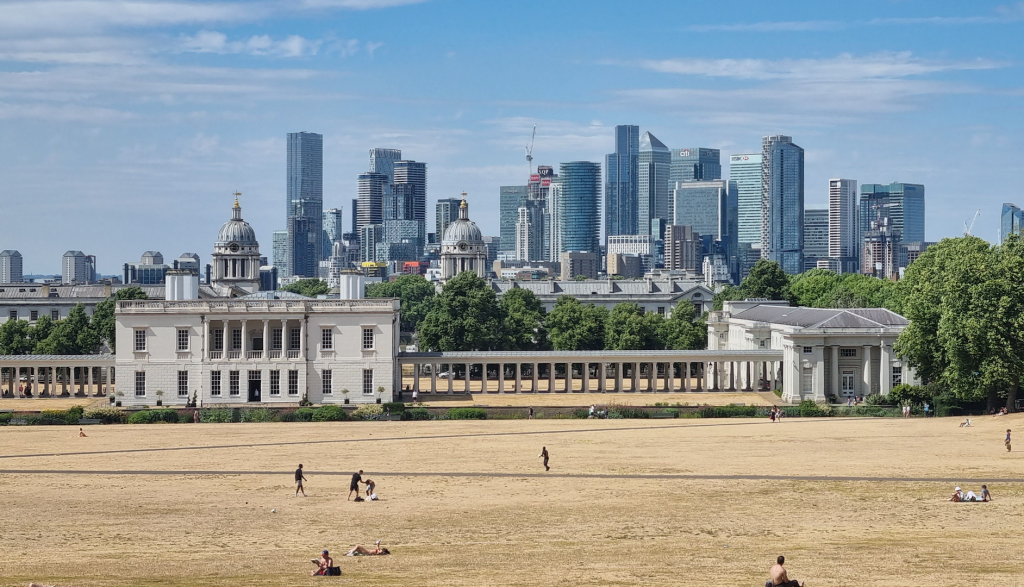
London and much of the UK are exposed to extreme heat, with buildings designed to retain warmth and little air conditioning. The science says it will only get worse.
Most destination budgets lean heavily toward attracting first-time visitors. But this growth model is under strain — it may be time to change the equation and ask what smarter allocation would look like.
Most destinations only report how many visitors came and how much they spent. Very few report on where the money goes or what is lost when those visitors don’t come back. With destinations being asked harder questions about tourism’s benefit to local communities, per-trip yield and arrival volumes may not be enough on their own.
Most destinations’ marketing campaigns lead with what is on offer, such as price, product, or infrastructure. But the travelers who are most likely to return want to know what is on offer to them personally. Should the focus be on marketing the destination as a product, or should marketing target the traveler?
The war gave Saudi tourism the clarity it could not give itself: the durable market is domestic and regional, the leadership is Saudi, and the reset is real.