Merlin's determination to focus on the long-term potential of the company is probably one of the reasons it is keen to escape the glare of the public markets.
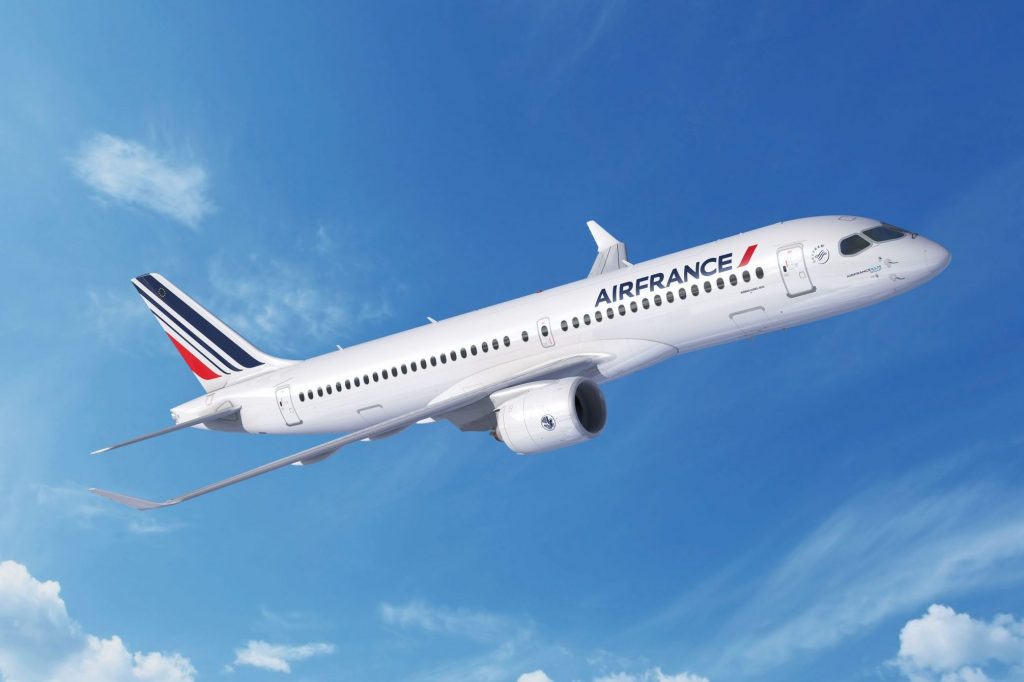
Under newish CEO Ben Smith, Air France-KLM has improved its relationship with its unions. This new agreement will make it much easier for its French unit in particular to compete with low-cost rivals.
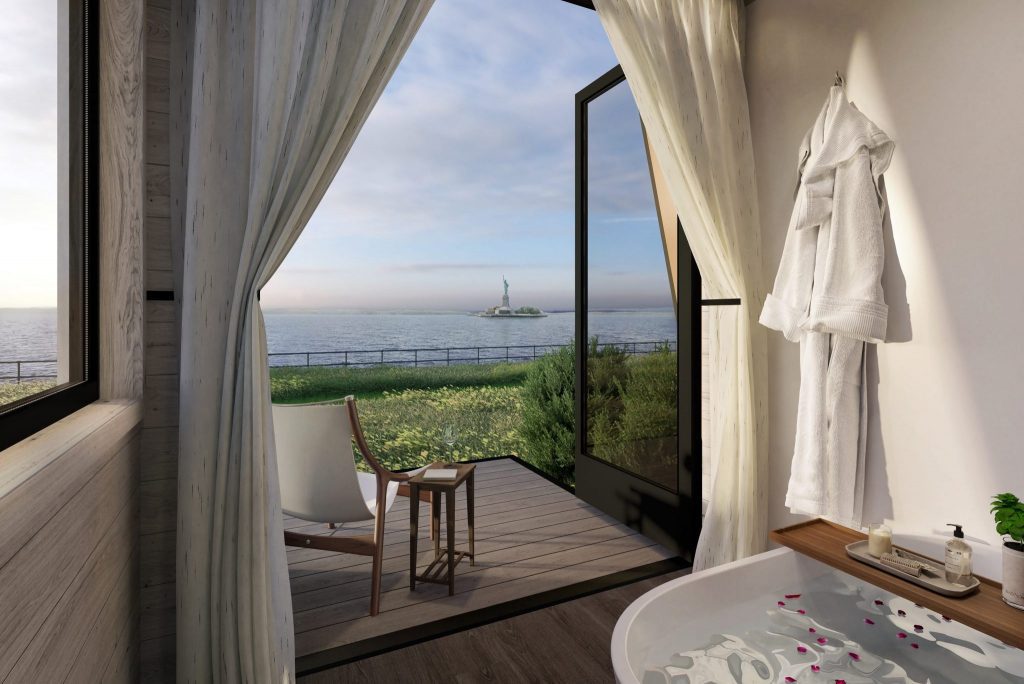
The concept of alternative accommodations encompasses so much. Even in the realm of high-end travelers, there are often multiple examples to choose from in the same place.
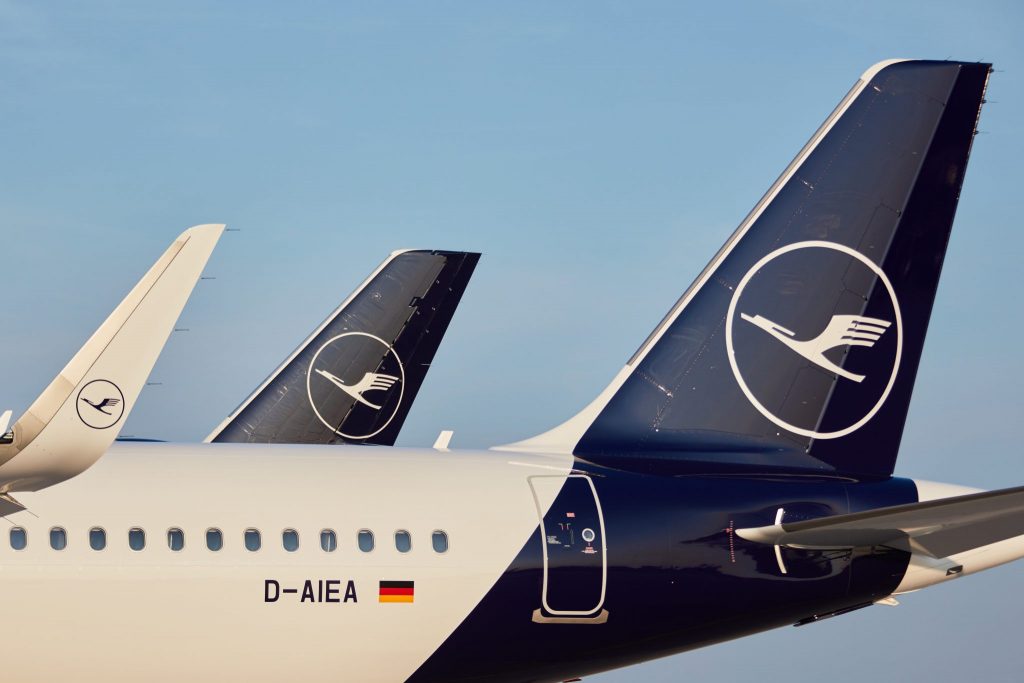
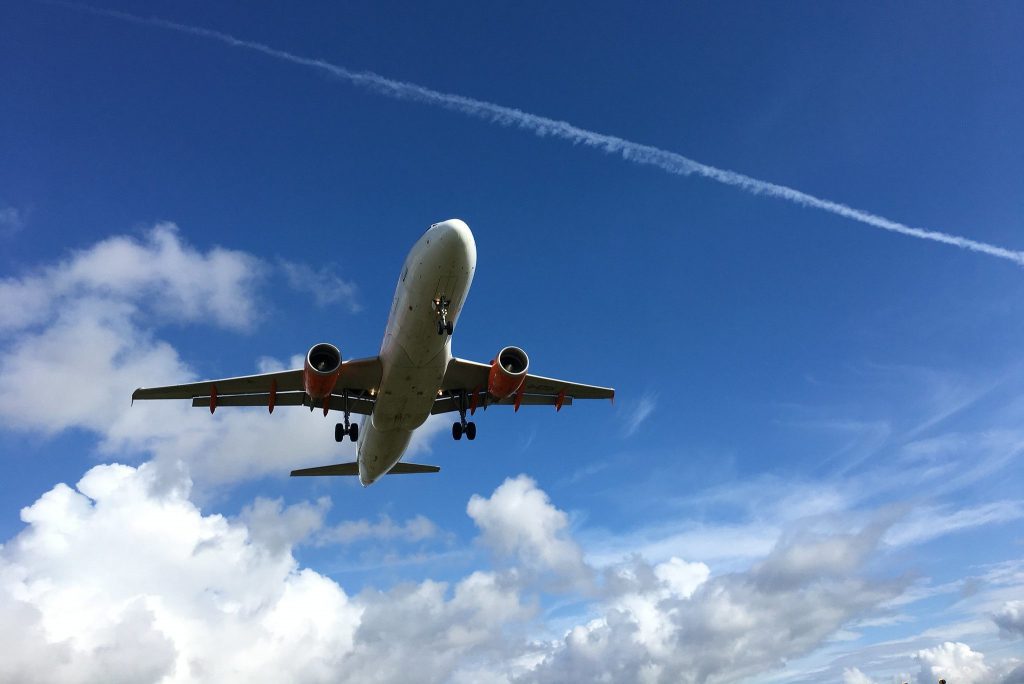
Lufthansa had it pretty easy in its home market for a long time, but sustained low-cost competition has come at a bad time. It will be hoping a revamped Eurowings is enough to see off EasyJet and Ryanair.
Ryanair's CEO sounds like he is rapidly losing patience with Boeing over the Max delays. Airlines clearly want to start flying it as soon as possible but only when it is declared safe.
Amadeus’ Luis Maroto came out on top in 2018. His executive compensation is appropriate, given that the company is the most valuable European travel firm.
Like bigger rivals such as Ryanair and EasyJet, Wizz Air is happy to take advantage of smaller European airlines pulling back capacity or going out of business entirely.
Stick or twist? Plenty of destinations have to wrestle with the idea when looking to develop their tourism offering. By changing too much or too quickly, you risk losing what made the place special to begin with.
The aviation industry's impact on the environment is only going to grow over the coming years as air travel increases across the world. Increasing taxes might force airlines to find new solutions while also raising money to fund more sustainable forms of transport.
Even if the product on offer is not traditional, high-end travelers have certain expectations. It's not as simple as slapping the word luxury onto a website.