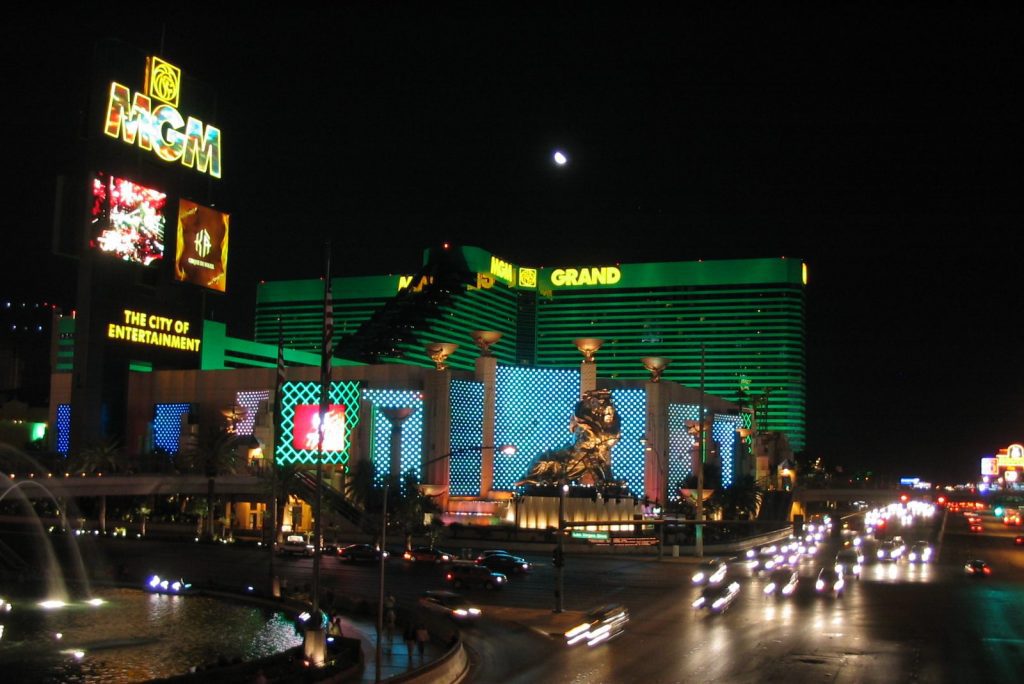
MGM laying off 18,000 workers is the latest testament that Las Vegas needs more than slot machines and poker tables to keep resorts running at pre-pandemic performance levels.
Another day, another rumor that Accor and IHG will combine forces. But even a successful merger is unlikely to send the hotel industry into a wave of consolidation due to so many other distressed deals expected during the pandemic recovery.
If there is one permanent legacy from the coronavirus pandemic’s grip on the hotel industry, it is likely the move toward technology features that reduce the amount of staff interaction. Google is the latest company to join the movement.
Hoteliers shouldn't get used to good news. U.S. full-service hotels may have seen a very slight average profit per room in July, but the peak summer travel season is fading — and the pandemic still isn't under control.
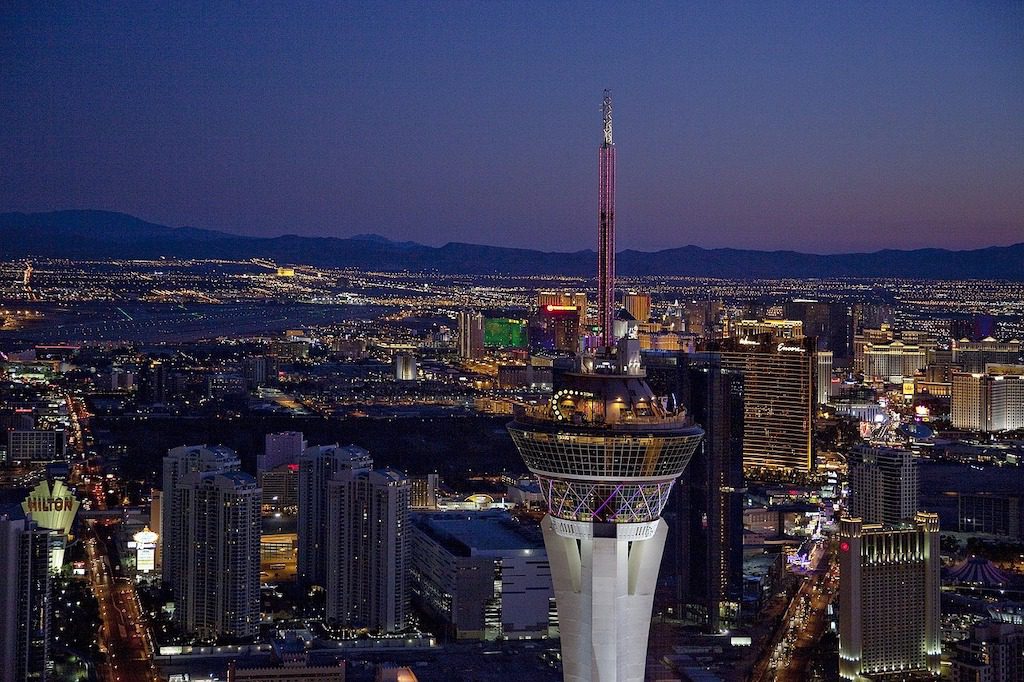
Can the show go on in Sin City while so many events and conventions can’t? Sure — if you have a few billion in the bank to tide your resorts over for a year.
Short-term rentals may be outperforming the hotel industry through the peak summer leisure season, but a fall downturn in family vacations could extend the drag on performance to platforms like Airbnb and Vrbo.
Tweaks to existing federal programs could assist the U.S. hotel industry survive the worst of the economic fallout from coronavirus. But Washington gridlock continues to keep industry stimulus out of reach.
The worst time ever to launch a global expansion of an iconic luxury hotel brand? Maybe not, if you are players like Accor and SBE with enough capital and Delano brand awareness.