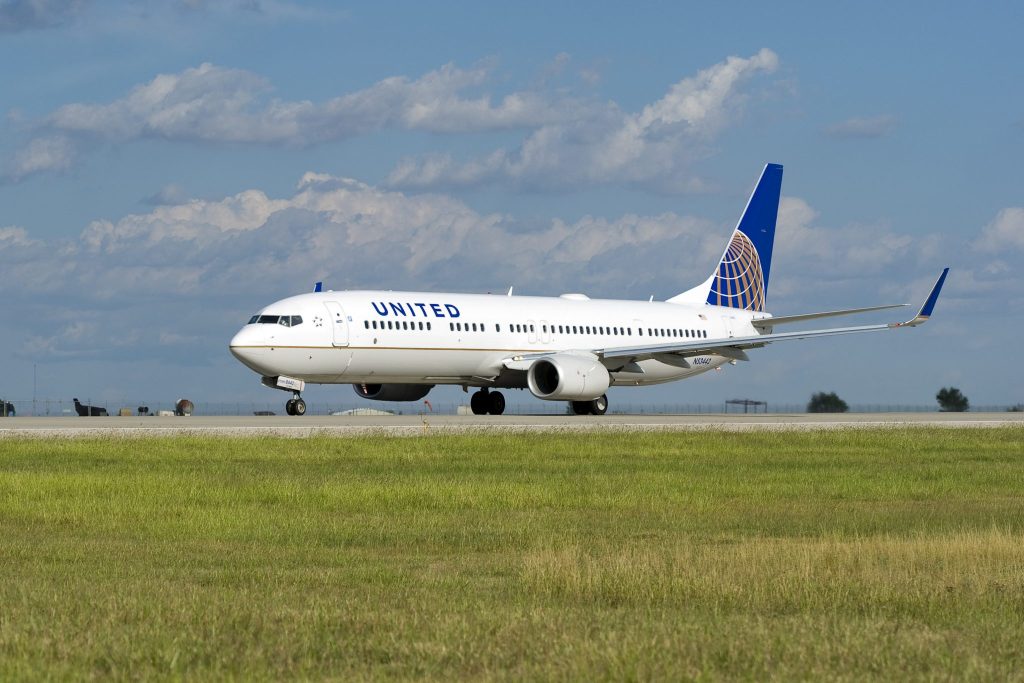
If American and Delta follow United in raising requirements to earn elite status, it could drive a whole new class of budget travelers away from airline loyalty programs.
Airlines think they can win over consumers, investors, and other stakeholders with their environmental spin. Ryanair is clearly doing some things right, but the sector has a structural problem that isn't going to be solved by tweaking the edges.
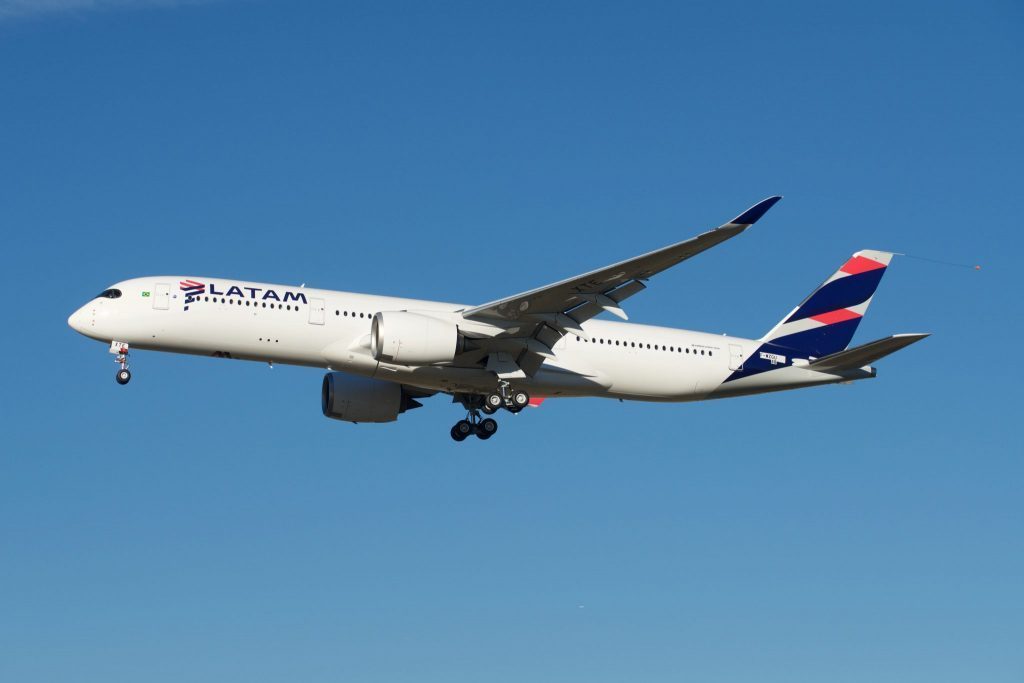
It's easier to understand IAG CEO Willie Walsh's sanguine tone on last week's earnings call given he clearly had this deal in the pipeline. If it goes through — and it's still a big if given the competition concerns — it will ease the pain of Delta's recent Latam deal.
Looks like Qatar Airways’ CEO should have done his math first before accusing Singapore’s Changi Airport of plagiarizing the design of the airport expansion of Hamad International.
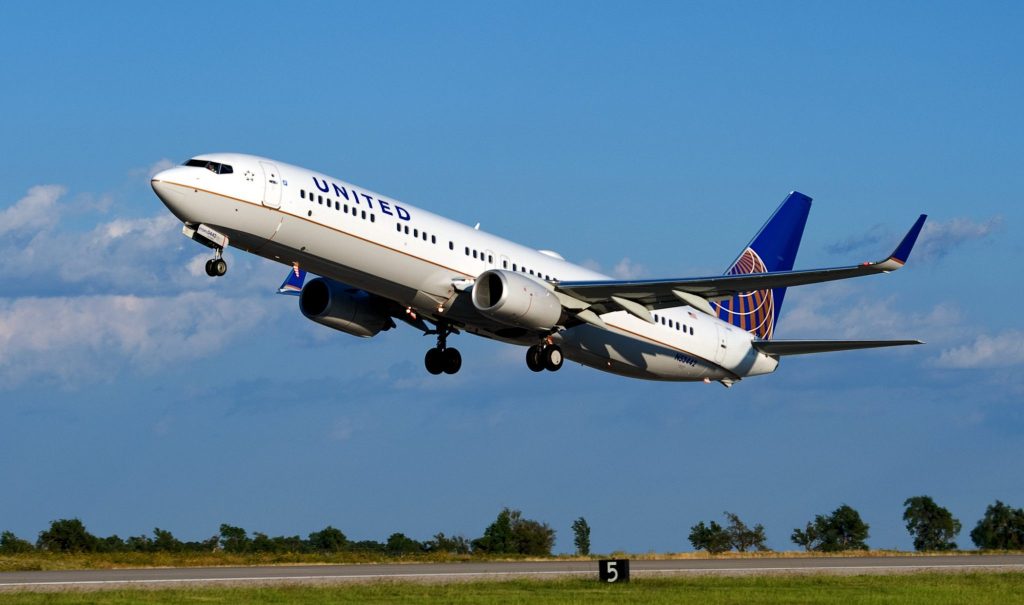
United Airlines has been around a long time and has a huge globe-spanning presence. How did it get to where it is today? We try to wrap our heads around the company's somewhat complicated history.
This week in aviation, airline executives spin their businesses as environmentally sustainable in an age when travelers are becoming more conscious of pollution. Meanwhile, we take a look at airlines' struggle to sell travel-related products.
Aigle Azur was tiny in comparison to Air France, but it still offered competition in certain areas, with the traffic rights to and from Algeria now of particular interest.
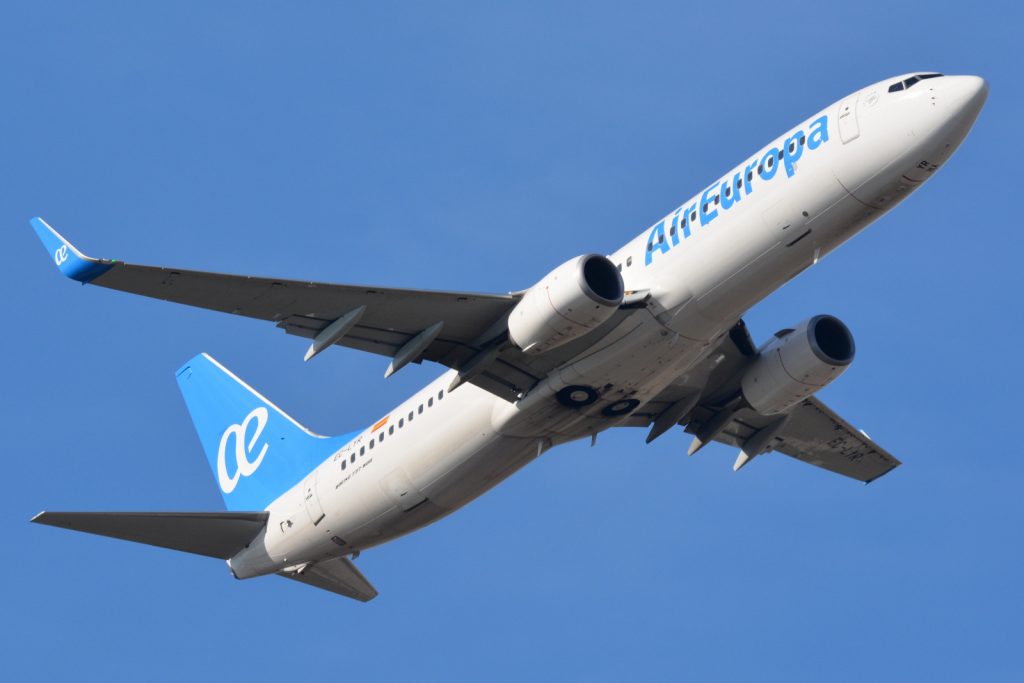
Delta's tactic of buying stakes in airlines across the globe is shaking up the world of airlines alliances, but the American carrier's gain is likely to come at the expense of others including IAG, the parent company of British Airways and Iberia.
The U.S. Department of Transportation recently approved the joint business agreement between American Airlines and Qantas. Passengers flying between the United States and Australia and New Zealand will see new changes come to market soon.