
Short-Term Rentals Can’t Rely on Tech to Solve Its Labor Shortages — Yet
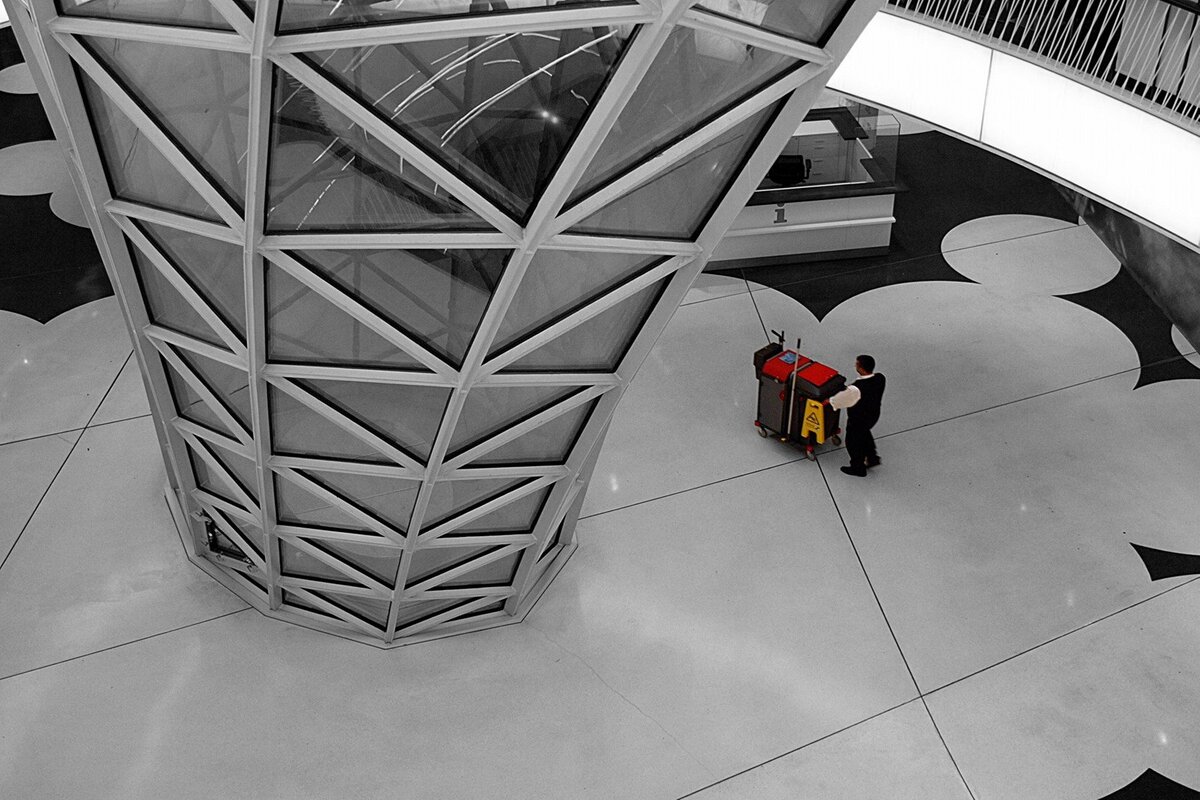
Photo Caption: Cleaning Staff in MyZeil in Frankfurt, Germany. Source: Flickr Zed Freejack
Skift Take
The lack of workforce in hospitality is both the cause and effect for rising costs. But as long as housekeeping and maintenance remain vital to guest experience, the shortage of labor will continue to fester and pester property management companies and owners. Robots won't be folding fitted sheets anytime soon.
Technology, powered by artificial intelligence, is coming after many jobs. But in the short-term rental industry where human capital is vital, labor shortages are still a problem.
Cleanliness and good housekeeping are cornerstones of hospitality. And as users of short-term rentals increasingly expect hotel-equivalent service, delivering that experience comes with a cost — and without the necessary workforce.
“I don’t see human workers getting out of the picture for at least another ten years,” said Guy Westlake, founder of Lavanda, which sells property management software to student, multi-family, co-living, and serviced apartment rentals. “Robots cannot clean and maintain apartments yet.”
That said, Westlake maintained that it’s harder to find the workforce willing to do the manual labor at a particular price point feasible to the short-term rental market.
The Old NormalLabor shortages in hospitality aren'

