
How International Students Won’t Be a Boost for the U.S. Travel Economy This Fall
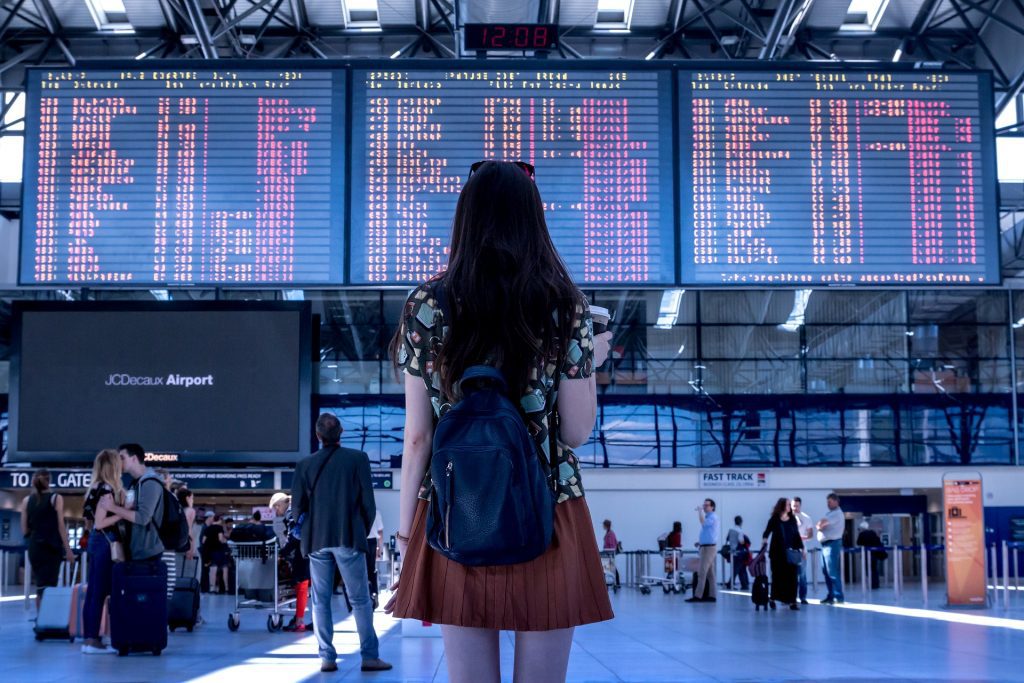
Photo Credit: Grounding of international students will hurt the travel economy Pixabay / Jan Vašek
Skift Take
While the travel exemption opens up opportunities for international students, the U.S. still has a long way to go to accommodate them. It begs the question of how much these students are willing to endure and how much more this will continue to hurt the travel economy.
While the travel industry is beginning to restore some of its losses due to the pandemic, it faces a hard comeback in one sector — student travel.
Remaining travel restrictions, some visa challenges, and fears over new Covid variants are keeping many students grounded in their home countries across the globe.
The good news is that starting August 1, the United States will now extend its national interest exemptions (NIEs) to international students with F-1 and M-1 visas intending to begin or continue their program this fall. This means they will no longer need to seek a national interest form from an embassy to travel. The NIEs were only applicable before to students from the United Kingdom, the Republic of Ireland and the countries in Europe’s Schengen area.
This has been the latest step in re-opening for the international students since covid sent them home last year.
Still, after a year of being grounded, the 2021-22 academic year looks bleak for the travel economy

